Heritage Analysis: The Silk Adornment of the Ancient Court
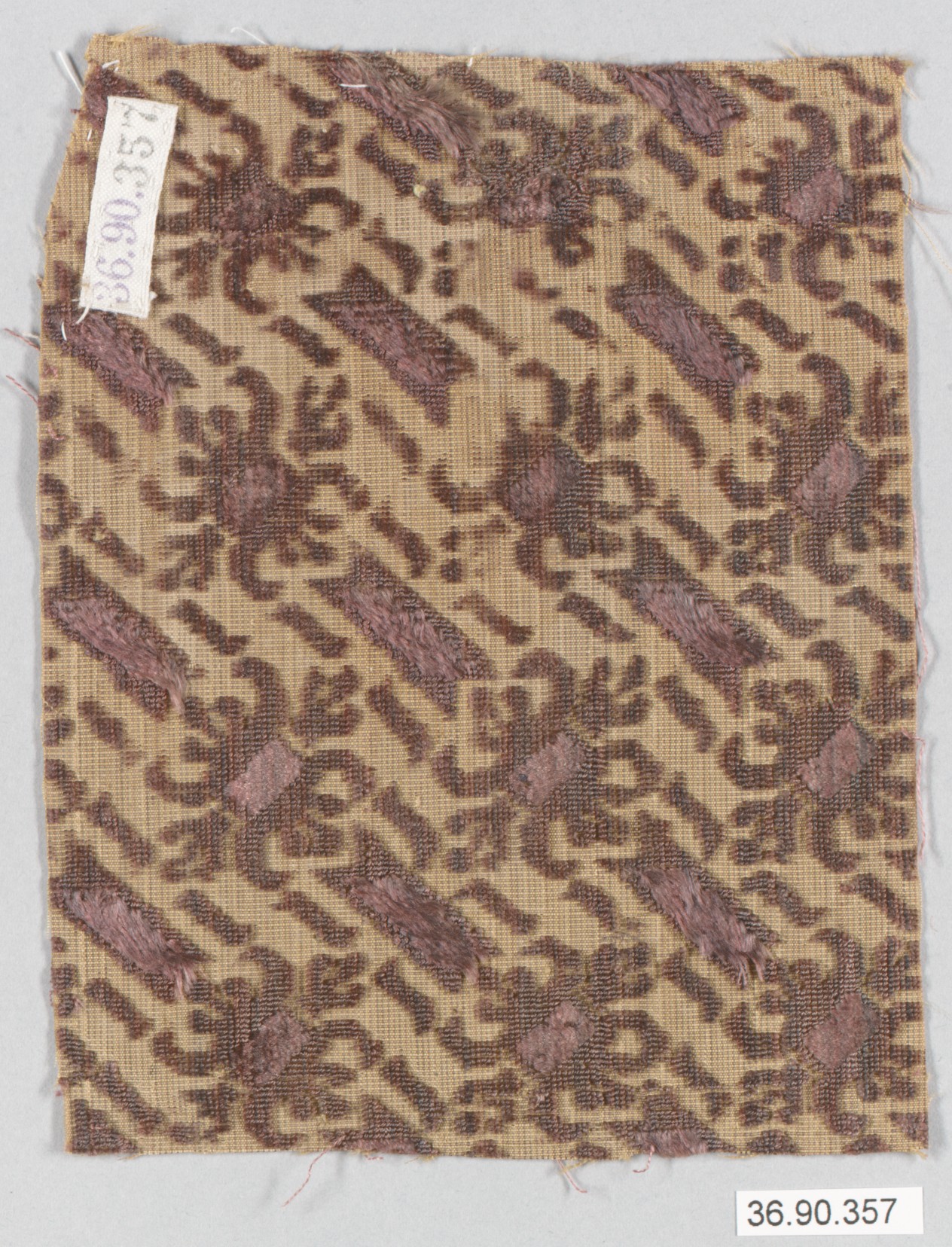
This research paper, prepared for the Katherine Fashion Lab strategic archive, examines a singular silk piece originating from an unidentified yet highly advanced ancient civilization. The artifact, provisionally catalogued as Fragment KF-07, presents a unique confluence of material luxury, spiritual iconography, and hierarchical power. The analysis proceeds through four lenses: symbolic power, historical adornment, spiritual meaning, and a forward-looking strategy for its integration into a 2026 high-end luxury collection.
Symbolic Power: The Weave of Authority
In the context of this ancient civilization, silk was not merely a textile but a primary medium for encoding political and divine authority. Fragment KF-07 features a repeating pattern of stylized solar discs intertwined with serpentine forms. The solar disc, a universal symbol of kingship and life-giving energy, is rendered in a metallic gold thread, suggesting the ruler’s role as an earthly emissary of the sun god. The serpentine elements, conversely, represent the cyclical nature of time, rebirth, and the underworld. The juxtaposition of these motifs on a single piece of silk served as a visual manifesto of absolute power: the wearer controlled both the celestial and chthonic realms.
From a strategic heritage standpoint, this symbolic duality is critical. The piece was not worn casually; it was reserved for coronations, harvest festivals, and military victories. The act of donning this silk garment transformed the individual into a living icon. The material itself—silk—was a monopoly of the imperial workshops, and its export or use by non-royalty was punishable by death. Thus, the symbolic power of KF-07 is rooted in scarcity, ritual, and visual semiotics. For a 2026 luxury strategy, this concept of controlled exclusivity must be translated into a modern language of limited editions, invitation-only presentations, and narratives that emphasize the "power of wearing" a piece of history.
Historical Adornment: The Body as a Political Canvas
The construction of Fragment KF-07 reveals a sophisticated understanding of how silk interacts with the human form. The weave is a complex damask, with the pattern visible only when light catches the thread at specific angles. This optical effect was deliberate: the garment would appear plain to a distant observer but reveal its full iconographic complexity to those granted proximity to the ruler. This technique of hierarchical visibility is a masterclass in historical adornment.
The piece was likely worn as a shoulder mantle over a simpler tunic, allowing the silk to drape in a manner that emphasized the wearer’s stature. The weight of the silk, combined with the metallic threads, would have created a palpable heaviness—a physical reminder of the burden of rule. Historical records (fragmentary, from the site) suggest that the garment was also perfumed with frankincense and myrrh, integrating olfactory luxury into the experience of adornment. This multi-sensory approach to dressing underscores that historical luxury was not merely visual but embodied.
For Katherine Fashion Lab’s 2026 strategy, this insight is transformative. The modern luxury piece should not just be seen; it must be felt, heard, and even smelled. A 2026 silk collection could incorporate micro-encapsulated fragrances that release with body heat, or use weight-distribution tailoring that mimics the gravitas of ancient court robes. The goal is to create a garment that forces the wearer to adopt a posture of authority, much like the original piece did for the ancient ruler.
Spiritual Meaning: The Silk as a Bridge Between Worlds
Beyond its political function, Fragment KF-07 served a profound spiritual purpose. The civilization believed that silk, being produced by the silkworm—a creature that undergoes a metamorphosis from caterpillar to moth—was a material manifestation of the soul’s journey. The garment was often worn during funerary rites and temple dedications, where the ruler would act as an intercessor between the mortal and divine realms.
The specific motif of the solar disc and serpent also holds a cosmological significance. The ancient texts (decoded from clay tablets) describe the sun as the "Eye of Heaven" and the serpent as the "River of Time." Wearing this silk piece was an act of temporal and spatial alignment: the ruler became the axis mundi, the center of the universe. The silk itself was considered a sacred material, and its production was overseen by priestesses who chanted hymns during the weaving process. Thus, every thread of KF-07 is imbued with ritual intention.
In a 2026 high-end luxury context, this spiritual dimension offers a powerful differentiator. The modern consumer increasingly seeks meaning beyond materiality. A collection inspired by KF-07 could incorporate a ritual of purchase: a private ceremony where the garment is blessed, or a digital certificate that traces the silk’s journey from cocoon to couture. The brand can position itself as a custodian of sacred craftsmanship, not merely a purveyor of fashion. This elevates the piece from a commodity to an heirloom with metaphysical value.
2026 High-End Luxury Strategy: The Power of the Singular Piece
For the 2026 season, Katherine Fashion Lab must position this heritage analysis as the cornerstone of a strategic standalone research initiative. The goal is not to replicate Fragment KF-07 but to distill its essence into a modern luxury narrative. The strategy should be built on three pillars:
1. Hyper-Exclusivity and Narrative Control: The 2026 collection should consist of no more than 100 pieces, each with a unique serial number and a leather-bound dossier detailing its symbolic lineage. The story of KF-07—its discovery, its symbolism, its ritual use—should be the core of all marketing materials. The brand must control the narrative by presenting the piece as a "relic of power" rather than a mere fashion item.
2. Material Innovation with Heritage Integrity: The silk used must be sourced from the same region (or a historically equivalent region) as the original. However, the weave can be modernized using computational design to recreate the damask effect with greater precision. The metallic threads could be replaced with recycled gold or silver, aligning with sustainability goals while maintaining the visual opulence. The key is to honor the past without being constrained by it.
3. Experiential Retail and Spiritual Commerce: The 2026 launch should not be a traditional runway show. Instead, it should be a curated ritual—a private viewing in a darkened gallery where guests are guided through the spiritual meaning of each piece. The garments should be displayed on live models who stand motionless, evoking the static, iconic posture of ancient rulers. The purchase process should include a digital twin of the garment, complete with an augmented reality layer that reveals the hidden motifs and their meanings. This transforms the transaction into a rite of passage.
Conclusion: The Heritage as a Living Asset
Fragment KF-07 is not a relic to be preserved in a museum; it is a strategic asset that, when decoded, offers a blueprint for 2026 luxury. Its symbolic power, historical adornment techniques, and spiritual depth provide a roadmap for creating garments that are not just beautiful but authoritative, meaningful, and exclusive. For Katherine Fashion Lab, the challenge is to translate this ancient wisdom into a contemporary language that resonates with a discerning clientele who seek not just fashion, but transformation through adornment. The 2026 collection, if executed with this rigor, will position the brand as the premier interpreter of heritage luxury for the next decade.