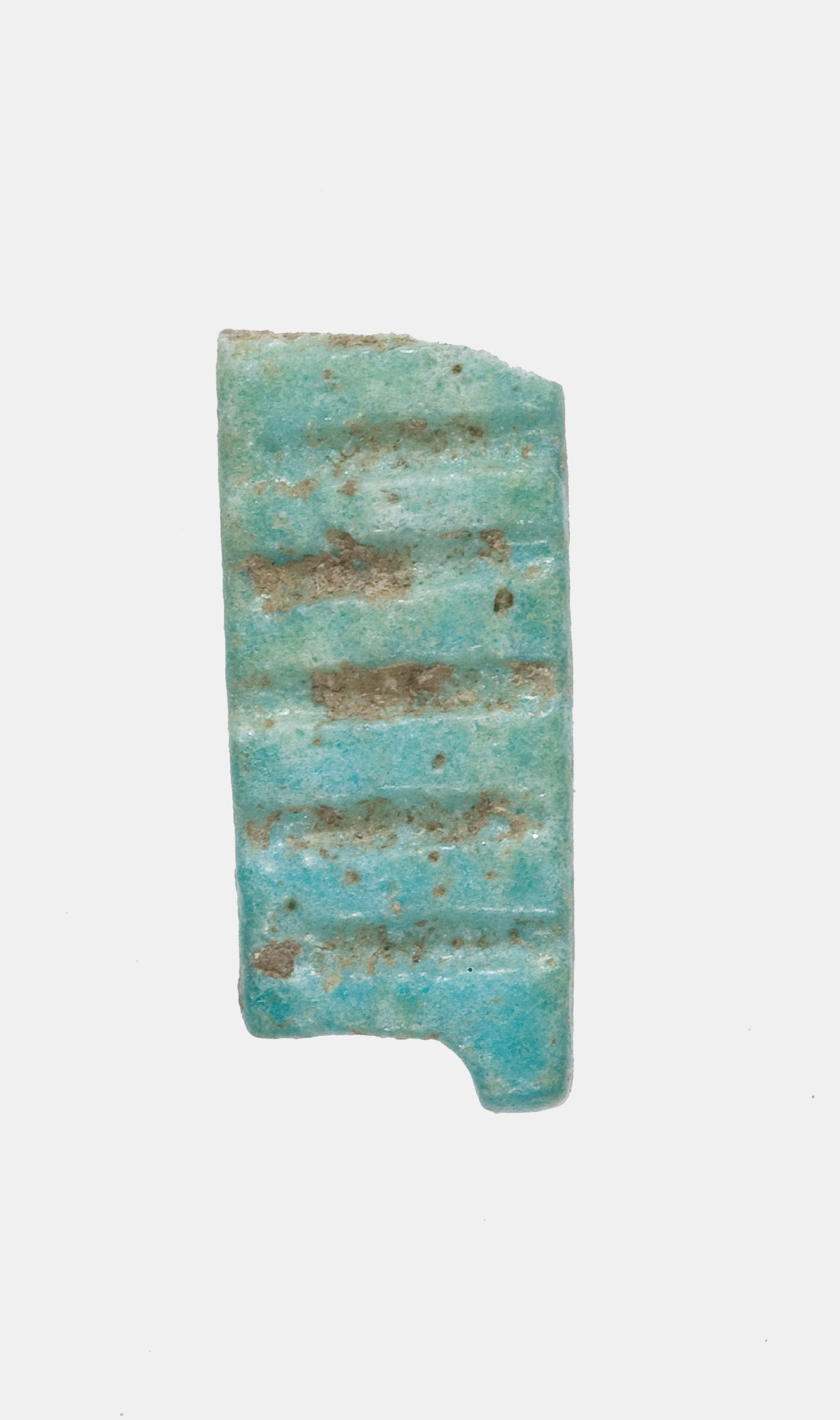
Heritage Analysis: The Faience Amulet of Ancient Civilization
Introduction: The Amulet as a Nexus of Symbolism and Luxury
The amulet, a small object of profound cultural resonance, represents one of humanity’s earliest and most enduring forms of personal adornment. In the context of Katherine Fashion Lab’s strategic research, the faience amulet from ancient civilizations—particularly those of Egypt, Mesopotamia, and the Indus Valley—offers a compelling case study in the intersection of symbolic power, historical adornment, and spiritual meaning. As the luxury market pivots toward 2026, the amulet’s legacy provides a blueprint for embedding heritage narratives into high-end brand strategy, transforming ornamental objects into vessels of identity, protection, and exclusivity.
This analysis examines the faience amulet through three dimensions: its symbolic power as a talisman of protection and status, its role in historical adornment as a medium for personal and collective identity, and its spiritual meaning as a bridge between the mortal and divine. From these insights, a 2026 high-end luxury strategy emerges, positioning the amulet as a cornerstone for Katherine Fashion Lab’s future collections—merging ancient craftsmanship with contemporary desire for authenticity and transcendence.
Symbolic Power: The Amulet as a Talisman of Protection and Status
In ancient civilizations, the amulet was far more than decorative; it was a concentrated symbol of power, protection, and social hierarchy. Faience, a vitreous ceramic material prized for its luminous blue-green glaze, was often chosen for amulets due to its association with the Nile’s fertile waters, rebirth, and divine light. In Egypt, faience amulets shaped as scarabs, ankhs, and the Eye of Horus were believed to channel cosmic forces, warding off evil and ensuring safe passage into the afterlife. For instance, the scarab amulet symbolized the sun god Khepri, representing transformation and eternal renewal—a potent emblem for elites who sought to control their destiny.
Symbolic power was also a marker of status. Amulets were not universally accessible; their production required skilled artisans, rare materials, and ritual consecration. The faience medium, with its intricate glazing techniques, demanded specialized knowledge that elevated the amulet from a mere object to a luxury good. In Mesopotamia, cylinder seals made of faience served as both amulets and signature tools, imprinted with symbols of ownership and divine favor. This dual function—protective and proprietary—reinforced the wearer’s position within a stratified society. For Katherine Fashion Lab, these historical precedents underscore the amulet’s ability to confer exclusivity. A 2026 strategy can leverage this symbolic power by designing amulet-inspired pieces that serve as talismans for modern consumers—offering protection, status, and a tangible connection to ancient wisdom.
Historical Adornment: The Amulet as a Medium for Identity and Craftsmanship
Historically, amulets were integral to personal adornment, worn on the body as necklaces, bracelets, rings, or sewn into garments. Faience amulets, in particular, were prized for their durability and lustrous finish, which mimicked precious stones like turquoise and lapis lazuli—materials often reserved for royalty. This mimicry allowed broader access to symbolic luxury, democratizing divine protection while maintaining a hierarchy of quality. In the Indus Valley, faience amulets featuring geometric patterns and animal motifs reflected a sophisticated understanding of form and function, blending aesthetic appeal with ritualistic purpose.
The craftsmanship of faience amulets reveals a deep respect for material transformation. Artisans ground quartz sand, alkali, and colorants into a paste, molded it into shapes, and fired it to produce a glassy surface that could withstand daily wear. This process, akin to alchemy, imbued the amulet with a sense of permanence and magic. For historical adornment, the amulet was not passive; it actively shaped the wearer’s identity by signaling their beliefs, status, and affiliations. A warrior might wear a faience lion amulet for courage, while a priestess might don a crescent-shaped piece for lunar devotion.
For Katherine Fashion Lab, this historical context offers a rich narrative for 2026 luxury strategy. The amulet’s role as a crafted identifier aligns with the growing demand for personalized, story-driven luxury. By reviving faience-inspired techniques—such as glazed ceramics, enamel work, or high-polish finishes—the brand can create amulet collections that honor ancient artistry while appealing to modern aesthetics. The emphasis on craftsmanship becomes a cornerstone of brand value, positioning each piece as a unique artifact with biographical significance.
Spiritual Meaning: The Amulet as a Bridge Between Mortal and Divine
At its core, the faience amulet served as a spiritual conduit, connecting the wearer to transcendent forces. In ancient Egyptian cosmology, amulets were placed on mummies to protect the soul during judgment, with specific shapes corresponding to different gods and afterlife needs. The djed pillar amulet, for example, represented stability and resurrection, while the tyet knot symbolized Isis’s protective blood. These objects were not passive; they were animated through rituals, prayers, and consecration ceremonies that activated their spiritual potency.
Spiritual meaning extended beyond death. In daily life, amulets were worn to ward off illness, ensure fertility, or attract prosperity. The faience medium’s blue-green color was particularly significant, associated with the sky and water—elements of life and renewal. This chromatic symbolism resonated across cultures; in Mesopotamia, blue faience amulets were linked to the god Ea, lord of wisdom and water. The spiritual dimension of the amulet thus offered a sense of control over the unpredictable forces of existence, a form of psychological armor that empowered the wearer.
For Katherine Fashion Lab’s 2026 strategy, this spiritual meaning can be translated into a luxury narrative of intentionality and mindfulness. Modern consumers increasingly seek products that offer meaning beyond material value—objects that provide a sense of grounding, protection, or connection. By designing amulet pieces with embedded symbolism—such as protective geometries, sacred colors, or ritualized packaging—the brand can cater to this desire for spiritual luxury. Collaborations with contemporary artisans, historians, or even spiritual practitioners could further authenticate the amulet’s sacred lineage, creating a product that is both heritage-rich and emotionally resonant.
2026 High-End Luxury Strategy: The Amulet as a Strategic Heritage Asset
Integrating the faience amulet’s heritage into Katherine Fashion Lab’s 2026 strategy requires a multi-layered approach that balances historical authenticity with modern luxury imperatives. The following strategic pillars are essential:
1. Heritage-Driven Design Language: The amulet’s symbolic geometry—scarabs, eyes, knots, and animal forms—can be distilled into a signature design vocabulary. Using advanced materials that mimic faience’s glaze, such as high-fire ceramics, vitreous enamel, or lab-grown gemstones, the brand can create pieces that evoke ancient craftsmanship while meeting contemporary quality standards. Each design should be tied to a specific historical narrative, communicated through storytelling in product descriptions, lookbooks, and digital content.
2. Limited-Edition Artisan Collaborations: To reinforce exclusivity, Katherine Fashion Lab should partner with master ceramicists, enamelists, and heritage artisans who specialize in faience-like techniques. Limited-edition capsule collections, numbered and authenticated, would mirror the amulet’s historical rarity. These collaborations can be framed as “revivals of lost arts,” appealing to collectors and connoisseurs who value craftsmanship over mass production.
3. Ritualized Consumer Experience: The spiritual meaning of amulets can be integrated into the purchase journey. Each amulet piece could be presented in a ceremonial box, accompanied by a card explaining its symbolic significance and a suggested intention or affirmation. This transforms the transaction into a ritual, aligning with the luxury trend of experiential consumption. In-store activations—such as private consultations with a “heritage curator” or interactive digital experiences that trace the amulet’s journey from ancient kiln to modern hand—could deepen emotional engagement.
4. Digital Storytelling and Provenance: In an era of blockchain-verified luxury, the amulet’s provenance can be digitized. Each piece could include a digital certificate that traces its design inspiration to specific artifacts, materials, and artisans. This not only builds trust but also positions the amulet as a collectible asset with cultural and monetary value. Social media campaigns can highlight the amulet’s protective symbolism, leveraging influencer partnerships to narrate personal stories of empowerment and transformation.
5. Sustainable and Ethical Positioning: Faience’s ancient production process—using natural materials and firing techniques—offers a sustainability narrative. Katherine Fashion Lab can emphasize low-impact manufacturing, recycled materials, and ethical sourcing, aligning with the values of eco-conscious luxury consumers. The amulet’s durability also supports a “buy less, cherish forever” philosophy, contrasting with fast-fashion cycles.
Conclusion: The Amulet as a Timeless Luxury Archetype
The faience amulet of ancient civilization is not merely a historical artifact; it is a strategic archetype for high-end luxury in 2026. Its symbolic power, historical adornment, and spiritual meaning offer Katherine Fashion Lab a rich tapestry of narratives that resonate with contemporary desires for authenticity, protection, and transcendence. By reviving the amulet’s craftsmanship and embedding its heritage into every facet of design, marketing, and consumer experience, the brand can differentiate itself in a crowded market, offering pieces that are not just fashionable but profoundly meaningful.
As the luxury sector evolves, the amulet reminds us that the most enduring objects are those that connect us to something larger than ourselves. For Katherine Fashion Lab, the amulet is not a relic of the past but a blueprint for the future—a testament to the power of heritage to inspire, protect, and elevate.