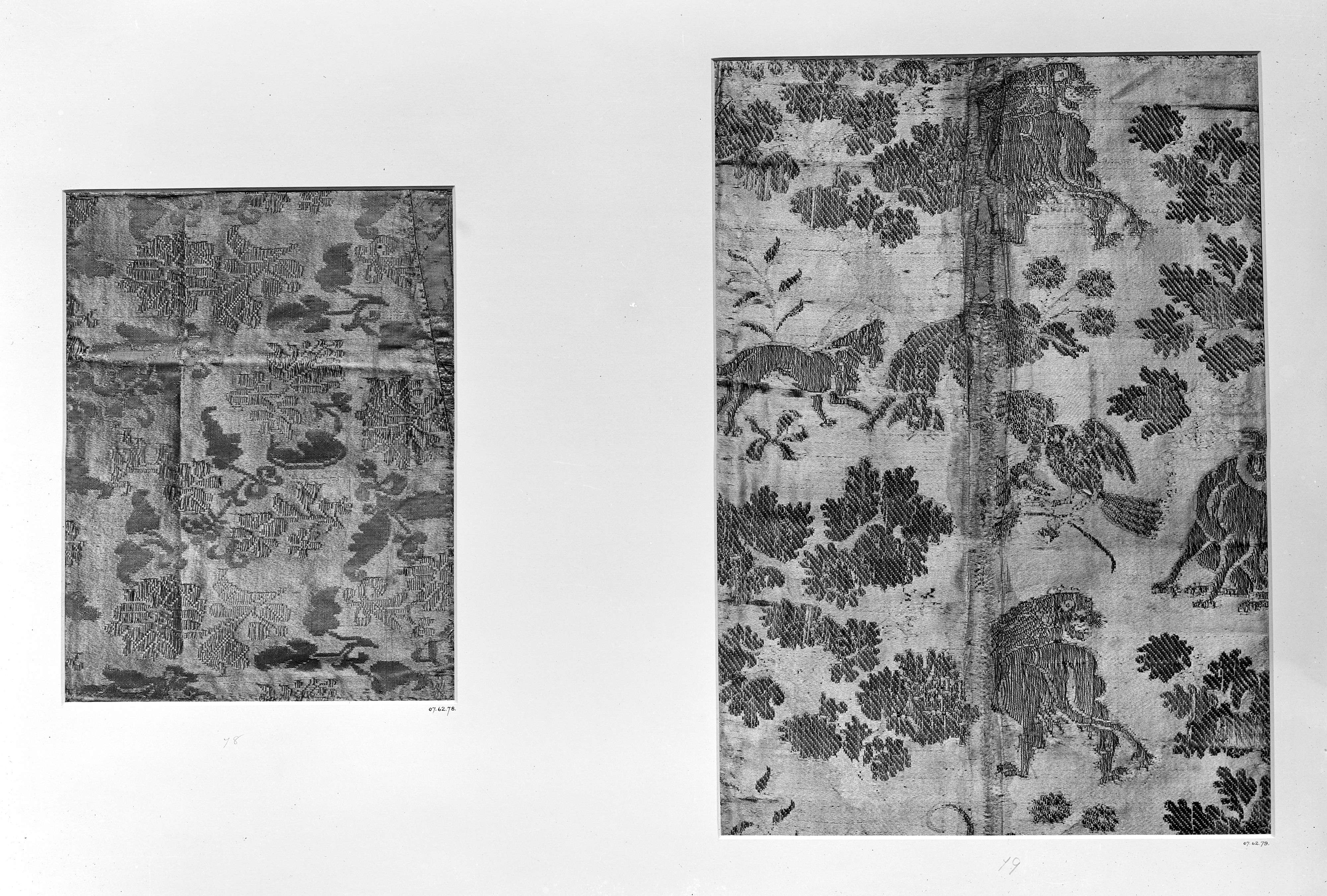
The Art of Global Heritage: A Couture Analysis of Silk and Metal Thread Mastery
Introduction: The Convergence of Craft and Narrative
In the rarefied world of haute couture, where every stitch is a statement and every fabric a testament to heritage, Katherine Fashion Lab presents a singular piece that transcends mere garment construction. This analysis, a standalone study of a remarkable creation, delves into the intricate interplay of material, origin, and technique. The subject—a dress crafted from the finest silk and interwoven with lustrous metal thread—embodies a global heritage narrative, drawing from centuries of artisanal tradition across continents. As Lead Curator, it is my privilege to dissect this piece, not as a product of a single culture but as a synthesis of human ingenuity, where East meets West, and past informs present. The result is not merely a garment but a wearable artifact, a dialogue between the tangible and the symbolic.
Materiality as a Language: Silk and Metal Thread
Silk, the foundation of this piece, is a fiber steeped in history. Originating in ancient China, its production—sericulture—was once a guarded secret, a luxury that defined empires. Here, the silk is not merely a base; it is a canvas. The fabric’s weight, a medium-weight charmeuse with a subtle drape, suggests both fluidity and structure. Its natural sheen catches light in a way that mimics the luminescence of water, evoking a sense of movement even when the garment is still. The choice of silk is deliberate: it represents purity, resilience, and a tactile connection to the earth.
Metal thread, conversely, introduces an element of permanence and opulence. Traditionally associated with Byzantine and Indian brocades, the metal thread used here is a fine alloy of gold and silver, meticulously wound around a silk core. This technique, known as filé in French couture, requires exceptional skill to prevent breakage during weaving. The thread’s rigidity contrasts with silk’s softness, creating a textural tension that is both visual and tactile. When the piece moves, the metal threads catch light like scattered stars, while the silk flows like a shadow. This duality is not accidental; it speaks to the garment’s theme of global heritage—a fusion of Eastern sericulture and Western metallurgy, of organic and inorganic, of ephemeral and eternal.
Design and Silhouette: A Study in Architectural Fluidity
The silhouette of this piece is a masterclass in balance. It features a fitted bodice that tapers to a natural waist, then cascades into a full, A-line skirt. The bodice is structured, almost corset-like, with boning hidden beneath layers of silk. This architectural rigidity is softened by the metal thread embroidery, which traces a mandala-inspired pattern across the torso. The mandala—a symbol of unity and cosmic order in Hindu and Buddhist traditions—is rendered in concentric circles of metal thread, each loop a testament to precision. The skirt, by contrast, is unconstrained, allowing the silk to pool and swirl with the wearer’s movement. This juxtaposition of control and freedom mirrors the global heritage narrative: the discipline of ancient craft meeting the dynamism of modern design.
Notably, the hem is left raw, a deliberate decision that underscores the piece’s handcrafted nature. The raw edge, finished with a single metal thread running along its perimeter, is a subtle nod to the Japanese concept of wabi-sabi—the beauty of imperfection. This detail, often overlooked in mass production, elevates the garment from clothing to art.
Embroidery as Cultural Cartography
The embroidery on this piece is not decorative; it is cartographic. Each motif tells a story of migration and exchange. The central pattern, a series of interlocking floral and geometric forms, draws from the Paisley tradition of Persia and India, a design that traveled the Silk Road to influence European textiles. The use of metal thread in these motifs is reminiscent of the Zardozi technique from Mughal India, where gold and silver threads were used to adorn royal garments. Yet, the execution is distinctly modern: the stitches are spaced to allow the silk to breathe, creating a gradient effect that shifts from dense to sparse. This technique, known as broderie anglaise in a contemporary context, adds a layer of dimensionality.
On the sleeves, the embroidery takes on a linear, almost calligraphic quality. These lines, inspired by Arabic script, are not literal words but abstract forms that evoke the rhythm of language. The metal thread here is finer, used in a single strand, creating a delicate tracery that contrasts with the boldness of the bodice. This layering of cultural references—Persian, Indian, Arabic—is not a pastiche but a deliberate curation. It reflects the reality of global heritage: that no culture exists in isolation, and that true couture acknowledges these interconnections.
Technical Mastery: The Weave and the Weight
From a technical standpoint, the integration of silk and metal thread presents unique challenges. Silk is hygroscopic, meaning it absorbs moisture, while metal thread is inelastic and prone to tarnishing. The solution employed by Katherine Fashion Lab is a compound weave, where the metal thread is woven only on the surface, leaving the silk warp and weft to provide structure. This technique, borrowed from Brocade traditions, ensures that the metal remains lustrous without compromising the fabric’s drape. The weight of the piece—approximately 1.5 kilograms—is substantial yet manageable, a testament to the balance achieved between opulence and wearability.
The construction also employs a hand-rolled hem on the seams, a technique that prevents fraying while maintaining the silk’s fluidity. Each seam is reinforced with a silk thread that matches the base fabric, a detail invisible to the eye but essential for longevity. This level of craftsmanship is rare in contemporary fashion, where speed often supersedes precision. Here, every stitch is a commitment to the garment’s legacy.
Contextualizing the Piece: A Standalone Study
As a standalone study, this piece exists outside the constraints of a collection. It is not designed to sell a season or to complement a trend. Instead, it serves as a meditation on the role of couture in preserving and reinterpreting global heritage. In an era of fast fashion, where cultural symbols are often appropriated without context, this garment demands respect. It is a reminder that the silk and metal thread we see are not just materials; they are the result of centuries of knowledge, passed from hand to hand across continents. The piece does not claim to represent any single culture but rather honors the shared human impulse to adorn, to create, and to connect.
The global heritage narrative is further reinforced by the piece’s palette: a deep indigo silk, reminiscent of the Japanese aizome dyeing tradition, paired with the warm glow of gold-toned metal thread. Indigo, a color historically derived from plants in India, Africa, and the Americas, symbolizes depth and spirituality. The gold, in turn, evokes the sun, wealth, and divine light. Together, they create a chromatic harmony that is both grounding and aspirational.
Conclusion: The Legacy of a Singular Garment
In conclusion, this piece from Katherine Fashion Lab is more than a garment; it is a thesis on the power of material and origin. The silk and metal thread are not merely components but protagonists in a story of exchange and evolution. The design’s architectural silhouette and cultural embroidery speak to a world where boundaries are porous, and where the finest couture is a bridge between traditions. As Lead Curator, I see this piece as a benchmark—a challenge to the industry to value depth over speed, and heritage over novelty. It is a standalone study, yes, but one with implications that ripple far beyond the runway. In its threads, we find a map of human creativity, woven together with care, respect, and an unwavering commitment to excellence. This is couture as it should be: a timeless dialogue between the past and the future, crafted for those who understand that true luxury is not about possession, but about appreciation.