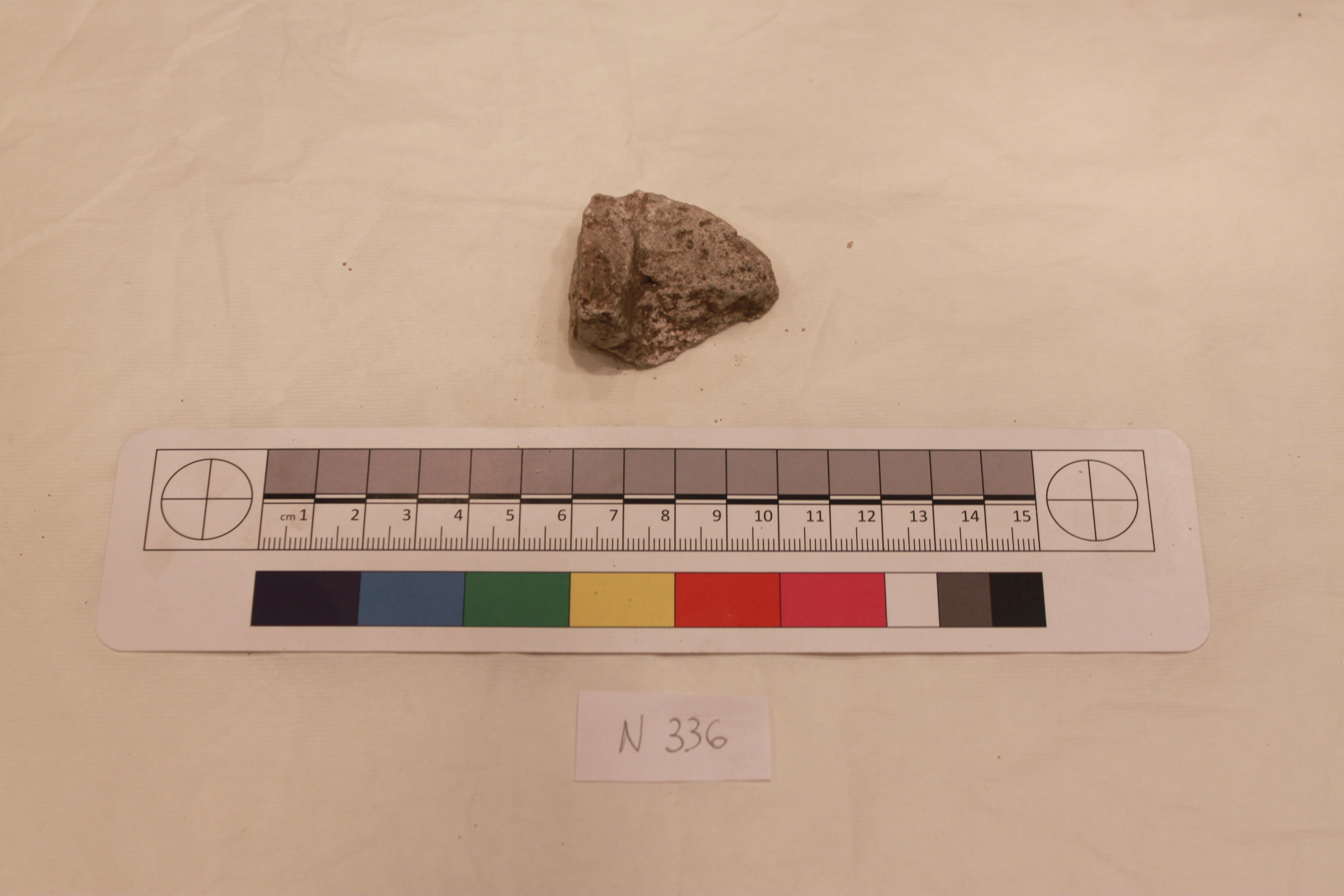
Executive Summary: The Stucco Fragment as a Strategic Heritage Asset
This analysis examines a carved stucco fragment from an ancient civilization, positioning it not merely as an archaeological artifact but as a repository of symbolic power, historical adornment, and spiritual meaning. For Katherine Fashion Lab, the fragment offers a profound strategic opportunity to anchor a 2026 high-end luxury narrative in authenticity, craftsmanship, and transcendent symbolism. The fragment’s materiality—stucco, a humble yet malleable medium—belies its capacity to encode elite status, ritual significance, and aesthetic sophistication. By decoding these layers, Katherine Fashion Lab can develop a collection that resonates with discerning consumers seeking heritage, exclusivity, and spiritual depth.
Symbolic Power: The Language of Prestige in Ancient Stucco
The stucco fragment, often overlooked in favor of precious metals or gemstones, held immense symbolic power in ancient civilizations. In Mesoamerican, Mediterranean, and Near Eastern contexts, stucco was the medium of choice for adorning sacred spaces, elite residences, and funerary monuments. Its carved surface communicated authority, divinity, and social hierarchy. For instance, in the Maya civilization, stucco masks and friezes depicted rulers as intermediaries between the earthly and celestial realms, their visages emerging from the plaster with commanding presence. The act of carving stucco required not only technical skill but also ritual knowledge, as the medium was believed to capture and channel spiritual energy.
From a strategic branding perspective, this symbolic power translates into a narrative of craftsmanship as authority. The fragment’s carved details—whether geometric, zoomorphic, or anthropomorphic—represent a deliberate encoding of meaning. For Katherine Fashion Lab, integrating such motifs into luxury accessories or garments signals a brand that values intellectual depth and cultural literacy. The 2026 luxury consumer increasingly seeks meaning over material, and the stucco fragment offers a visual vocabulary of power that is both ancient and timeless. Design elements such as stepped fret patterns, serpentine curves, or stylized deity faces can be reinterpreted as embroideries, hardware engravings, or textile jacquards, imbuing products with a narrative of authority and legacy.
Historical Adornment: Stucco as the Original Luxury Surface
Historically, stucco was not merely a building material but a medium for adornment. In ancient Rome, stucco reliefs decorated the ceilings and walls of patrician villas, often painted in vibrant hues to simulate more costly materials like marble or alabaster. Similarly, in pre-Columbian cultures, stucco was applied to ceremonial headdresses, pectorals, and throne backings, its carved surfaces gilded or painted with cinnabar and indigo. The paradox of stucco lies in its fragility and permanence: it is easily damaged yet survives centuries, a testament to the care with which it was crafted.
For Katherine Fashion Lab, this duality offers a compelling design philosophy. The 2026 high-end luxury strategy should celebrate imperfection as a marker of authenticity. The fragment’s weathered edges, hairline cracks, and faded pigments become design signatures—textural irregularities that evoke handcrafted luxury. In practice, this could manifest as leather goods with distressed finishes, metalwork with patinated surfaces, or silk scarves printed with the fragment’s eroded patterns. The historical adornment narrative also invites a material innovation: developing a proprietary “stucco-finish” composite for jewelry or bag closures, merging ancient aesthetics with modern durability. This approach differentiates Katherine Fashion Lab in a market saturated with polished minimalism, offering instead a tactile, archaeological luxury.
Spiritual Meaning: The Fragment as a Vessel of Transcendence
Beyond its physical form, the stucco fragment carries profound spiritual meaning. In many ancient cultures, stucco was considered a liminal material—a bridge between the earthly and the divine. The act of carving was a ritual of transformation, where raw plaster became a conduit for sacred narratives. For example, in the Indus Valley civilization, stucco figurines of mother goddesses were placed in household shrines, their carved features invoking fertility and protection. In Mesoamerica, stucco-covered tombs depicted the journey of the soul through the underworld, the carvings serving as maps for the deceased.
For the 2026 luxury consumer, spirituality is increasingly sought as a counterbalance to digital saturation. Katherine Fashion Lab can position the stucco fragment as a talismanic object, inspiring a collection that blends adornment with intention. Design strategies might include:
- Amulet-inspired pendants carved from resin or cast metal, replicating the fragment’s motifs.
- Ritual packaging that presents each piece as an artifact, complete with a provenance card and a meditation on its symbolic meaning.
- Limited-edition collaborations with contemporary artisans who specialize in stucco restoration, creating one-of-a-kind wearable sculptures.
This spiritual dimension elevates the brand from purveyor of fashion to custodian of cultural memory, appealing to clients who view luxury as a form of personal and collective enrichment.
2026 High-End Luxury Strategy: From Fragment to Front Row
Integrating the stucco fragment into Katherine Fashion Lab’s 2026 strategy requires a multi-pronged approach that balances heritage reverence with commercial viability. The following strategic pillars are recommended:
Curatorial Storytelling
Position the collection as an exhibition rather than a product launch. Use immersive retail environments—perhaps a pop-up designed as an archaeological dig or a museum vitrine—where fragments are displayed alongside finished pieces. Collaborative content with historians and conservators will build credibility. Each product should include a digital passport linking to a microsite detailing the fragment’s origin, symbolism, and the artisan’s process.
Material Alchemy
Develop a signature “Stucco Noir” finish for leather goods and accessories, achieved through a proprietary layering of matte pigments and micro-carvings. This finish mimics the fragment’s texture while offering durability. For ready-to-wear, stucco-inspired jacquard weaves and embossed silks can echo the carved motifs. The key is tactile authenticity: every piece should feel like a discovery.
Exclusivity Through Provenance
Create a limited-edition “Fragment Collection” of 100 numbered pieces, each paired with a replica stucco fragment cast from the original (with ethical sourcing and cultural permissions). This strategy leverages scarcity and archaeological romance. Pricing should reflect the research and craftsmanship, positioning Katherine Fashion Lab at the apex of heritage luxury—comparable to brands like Hermès or Loro Piana, but with a distinct anthropological edge.
Campaign Imagery and Narrative
The 2026 campaign should evoke a timeless, contemplative aesthetic. Photograph models in stark, dust-filled light, wearing the collection against backgrounds of ruined temples or museum storage rooms. The tagline: “Adorn the Eternal.” This visual language appeals to the cultural capital of high-net-worth individuals who value art, history, and intellectual luxury.
Conclusion: The Fragment as a Blueprint for Enduring Luxury
The carved stucco fragment is far more than a relic; it is a masterclass in how material, symbol, and spirit converge to create objects of lasting value. For Katherine Fashion Lab, this analysis provides a rigorous foundation for a 2026 strategy that honors ancient wisdom while advancing contemporary luxury. By embracing the fragment’s symbolic power, historical adornment, and spiritual meaning, the brand can offer clients not just products, but portable pieces of eternity. In an era of fleeting trends, this heritage-anchored approach ensures relevance, reverence, and commercial distinction.