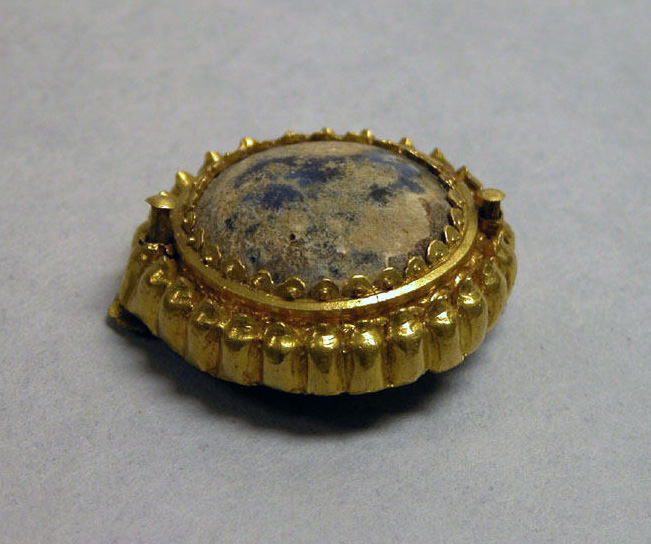
Heritage Analysis: The Chinese Headdress Ornament – A Strategic Lens for 2026 Luxury
Introduction: The Object as a Cultural and Commercial Artifact
The headdress ornament, rendered in gold, pottery, and lapis lazuli, represents a pinnacle of Chinese material culture. For Katherine Fashion Lab, this object is not merely a decorative accessory but a strategic artifact that encodes centuries of symbolic power, spiritual cosmology, and hierarchical adornment. As we approach 2026, the high-end luxury market demands narratives that transcend aesthetics—consumers seek objects imbued with authenticity, provenance, and metaphysical resonance. This analysis dissects the headdress ornament’s historical and spiritual dimensions to propose a luxury strategy that positions Katherine Fashion Lab as a curator of heritage-driven exclusivity.
Symbolic Power: The Headdress as a Register of Authority
In imperial China, the headdress ornament was a codified signifier of rank, legitimacy, and cosmic alignment. Gold, as the primary medium, symbolized the emperor’s mandate from Heaven—a material so sacred that its use was restricted to the highest echelons of society. The inclusion of lapis lazuli, a stone imported from the Pamir Mountains via the Silk Road, further amplified this symbolism. In Chinese cosmology, lapis lazuli represented the heavens, wisdom, and immortality, often associated with the Daoist pursuit of transcendence. The pottery elements, typically glazed in celadon or cobalt, grounded the ornament in earthly fertility and ritual purity.
The strategic implication for Katherine Fashion Lab is clear: the headdress ornament is a non-verbal assertion of power. In 2026, luxury brands must reclaim this language. By integrating gold accents, lapis lazuli inlays, and ceramic motifs into contemporary headwear, the Lab can offer clients a tangible connection to imperial authority. This is not mere replication but a recontextualization of status—a way for modern elites to communicate their own “mandate” through curated heritage.
Historical Adornment: Craftsmanship as a Marker of Lineage
The technical mastery required to produce such an ornament is a testament to Chinese artisanal lineage. Gold was worked using filigree and repoussé techniques, while lapis lazuli was carved into geometric or floral forms, often set in cloisonné enamel. Pottery components were fired in kilns at precise temperatures, a process that demanded generations of tacit knowledge. Each material was sourced from specific regions—gold from the Yellow River basin, lapis from the West, and clay from Jingdezhen—creating a geographical narrative of trade and tribute.
For Katherine Fashion Lab, this historical context informs a luxury strategy centered on provenance storytelling. In 2026, high-end consumers will increasingly value “material biographies”—the origin, journey, and transformation of raw materials into finished objects. The Lab should document and publish the sourcing of its gold, lapis lazuli, and pottery, emphasizing ethical extraction and artisanal partnerships. This transparency aligns with the growing demand for sustainable luxury, while also reinforcing the ornament’s status as a heirloom-quality investment.
Spiritual Meaning: The Headdress as a Conduit for Transcendence
Beyond political power, the headdress ornament held profound spiritual significance. In Chinese funerary and ritual contexts, such ornaments were believed to protect the wearer’s soul and facilitate communication with ancestral spirits. The lapis lazuli, in particular, was thought to possess yang energy—active, protective, and illuminating. Pottery, often shaped into lingzhi mushrooms or cloud motifs, symbolized longevity and spiritual ascent. Gold, with its incorruptible nature, represented the eternal soul.
This spiritual dimension is a potent differentiator for Katherine Fashion Lab in the 2026 luxury market. Contemporary consumers, particularly in Asia and the West, are increasingly drawn to “wellness luxury”—products that offer metaphysical benefits. The Lab can position its headdress ornaments as talismanic objects, imbued with protective and elevating properties. Marketing narratives should reference Daoist and Buddhist concepts of balance, energy, and transcendence. For instance, a headdress featuring lapis lazuli could be marketed as a “gateway to clarity,” while gold accents symbolize “permanence and resilience.”
2026 High-End Luxury Strategy: From Artifact to Asset
To leverage this heritage analysis, Katherine Fashion Lab must adopt a multi-tiered strategy that bridges historical reverence with modern commercial viability. The following framework is recommended:
1. Limited-Edition Heritage Collections: Produce no more than 50 headdress ornaments per year, each accompanied by a certificate of authenticity detailing the symbolic meaning of every material. Collaborate with contemporary Chinese artisans trained in filigree and cloisonné to ensure technical fidelity. Price points should exceed $50,000, positioning the ornaments as collectible assets rather than fashion accessories.
2. Experiential Retail and Ritual: Launch a flagship salon in Shanghai or Beijing designed as a “heritage chamber.” Clients will participate in a private consultation where a curator explains the spiritual and historical significance of each material. The purchase experience should include a ritual blessing—a nod to the ornament’s protective function—performed by a Daoist or Buddhist monk. This elevates the transaction into a transformative event.
3. Digital Provenance and NFT Integration: Each ornament will have a digital twin stored on a secure blockchain, documenting its material origins, artisan lineage, and spiritual attributes. This NFT can be transferred with the physical object, ensuring traceability and adding a layer of digital exclusivity. In 2026, the luxury market will increasingly value hybrid physical-digital assets, and this strategy positions Katherine Fashion Lab at the forefront.
4. Cultural Diplomacy Partnerships: Align with institutions such as the Palace Museum in Beijing or the Dunhuang Research Academy to co-curate exhibitions. This not only validates the Lab’s heritage claims but also opens access to rare archival patterns and techniques. A portion of proceeds could fund conservation of historical headdresses, reinforcing the brand’s commitment to cultural stewardship.
Conclusion: The Headdress as a Strategic Blueprint
The Chinese headdress ornament is a microcosm of ancient luxury—a synthesis of material mastery, symbolic power, and spiritual depth. For Katherine Fashion Lab, it offers a blueprint for 2026 high-end strategy that transcends transient trends. By honoring the object’s historical and spiritual roots, and translating them into contemporary forms of exclusivity, the Lab can attract a discerning clientele seeking meaning, legacy, and transcendence. The ornament is not just an artifact of the past; it is a strategic asset for the future of luxury.