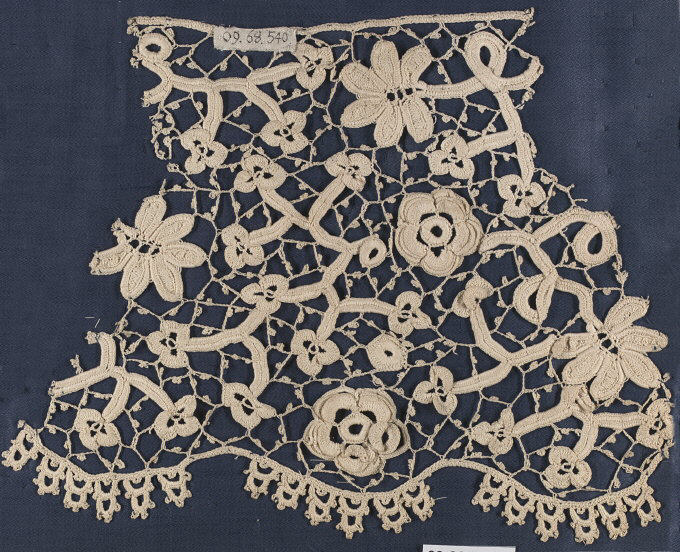
Specimen: A Couture Analysis of Global Heritage in Crochet
In the rarefied world of haute couture, where innovation often masquerades as disruption, Katherine Fashion Lab’s Specimen collection offers a profound counterpoint. This standalone study, rooted in the humble yet intricate craft of crochet, transforms global heritage into a living, breathing artifact of textile science. By positioning crochet not as a nostalgic relic but as a specimen for rigorous design inquiry, the Lab challenges the very definition of luxury. The result is a collection that feels both archaeological and futuristic—a meticulous deconstruction of cultural memory, rendered in thread.
The Specimen as a Conceptual Framework
The term specimen in a couture context evokes a laboratory, a glass case, or a scientific journal. Katherine Fashion Lab leans into this tension with deliberate precision. Each garment is presented as an isolated study—a singular piece dissected from its cultural origins and re-examined through a lens of structural purity. This is not appropriation; it is curation. The Lab treats crochet as a biological specimen, analyzing its tensile strength, its porosity, and its capacity to hold form. The result is a collection that feels less like clothing and more like a taxonomy of human ingenuity.
The choice of crochet is particularly astute. Unlike woven textiles, which are constructed on a loom, crochet is a single-thread technique that builds structure through loops and knots. This process mirrors the way heritage itself is constructed: one stitch, one story, one generation at a time. By isolating crochet as the sole material, the Lab forces a dialogue between the universal and the specific. Each piece becomes a specimen of a lost or fading tradition, preserved not in formaldehyde but in cashmere, silk, and organic cotton.
Global Heritage: A Cartography of Stitches
What distinguishes Specimen from other heritage-inspired collections is its refusal to romanticize the past. Instead, Katherine Fashion Lab maps crochet techniques across continents, treating them as a global language with distinct dialects. The collection draws from the intricate Irish crochet of the 19th century, the geometric motifs of the Balkans, the delicate lacework of Madeira, and the bold, sculptural forms of South American tejido. Yet, these references are not pasted onto contemporary silhouettes; they are re-engineered into new structural paradigms.
Consider the opening piece: a floor-length coat that appears to be a single, continuous loop of thread. On closer inspection, the garment is a lattice of Irish rose motifs, each flower connected by micro-stitches that create a honeycomb of negative space. The coat does not drape; it stands, its architecture supported by the tension of thousands of knots. This is a direct homage to the crochet traditions of the Aran Islands, where fishermen’s sweaters were designed with specific patterns to identify bodies lost at sea. Here, the Lab transforms that mournful heritage into a monument of resilience.
Similarly, a midi dress in the collection references the filet crochet technique of 18th-century France, where open mesh grids were used to create pictorial scenes. In Specimen, the filet grid is enlarged to a macro scale, with each square holding a hand-embroidered seed pearl. The visual effect is that of a topographical map—a cartography of cultural memory. The dress is not simply a garment; it is a document of the hands that made it, a record of time measured in loops.
Material Alchemy: Crochet as High-Performance Fabric
In the hands of Katherine Fashion Lab, crochet transcends its domestic associations. The material is treated with the same rigor as aerospace-grade carbon fiber or haute couture silk. Each stitch is calibrated for tension, density, and drape. The Lab employs a proprietary technique they call “structural crochet,” where the thread is pre-treated with a biodegradable resin that allows the fabric to hold a three-dimensional shape without internal wiring. This innovation enables garments that can be folded flat for travel but spring back into their original form upon release—a feat of engineering that blurs the line between textile and sculpture.
The color palette is deliberately restrained: ivory, charcoal, rust, and indigo. These are the colors of natural dyes, of earth and ocean, of time-worn artifacts. Yet, the Lab introduces subtle iridescence through the use of silk-cotton blends and metallic threads that catch light at specific angles. The effect is not flashy but archaeological—as if the garments are glowing with the faint luminescence of ancient glass.
One standout piece is a bodice constructed entirely from Bruges lace crochet, a technique that involves braiding thread into ribbons and then connecting them with loops. The Lab has reimagined this 16th-century Flemish craft as a corset that mimics the ribcage of a specimen. The ribbons curve like bones, and the negative space between them creates a visual rhythm of inhalation and exhalation. The bodice is stiff yet breathable, a paradox that speaks to the tension between preservation and life.
Standalone Study: The Art of Isolation
The decision to present Specimen as a standalone study is a strategic one. In a fashion ecosystem obsessed with seasons and trends, the Lab offers a collection that exists outside of time. There are no separates, no accessories, no shoes. Each piece is a complete statement—a specimen to be examined in isolation. This forces the viewer to confront the craftsmanship without distraction. The runway, if one can call it that, is a white cube gallery. Models move slowly, almost as if under glass. The lighting is clinical, casting shadows that emphasize the texture of every loop.
This approach also allows the Lab to explore the limits of the material. One gown, for instance, is a single sheet of crochet that has been felted to create a fabric that is both soft and structural. The felting process collapses the loops into a dense, felt-like surface that retains the ghost of the original stitches. The gown hangs like a shroud, its surface a palimpsest of erased patterns. It is a meditation on memory and loss, a reminder that heritage is not static but constantly being rewritten.
Cultural and Commercial Implications
From a strategic standpoint, Specimen positions Katherine Fashion Lab as a custodian of global craft rather than a mere appropriator. The collection is accompanied by a digital archive that traces each technique to its geographic and historical origin, complete with interviews with master artisans. This transparency is not just ethical; it is a market differentiator in an industry increasingly scrutinized for cultural theft. By treating crochet as a specimen for study, the Lab elevates it from a craft to a discipline, thereby justifying its haute couture pricing.
Moreover, the standalone format allows for a deeper narrative arc. Each piece in the collection is numbered and documented, creating a sense of rarity and provenance. This appeals to a collector mentality—the buyer is not purchasing a dress but acquiring a piece of cultural history. The Lab has also partnered with museums to display select specimens as part of textile exhibitions, further blurring the line between fashion and fine art.
Conclusion: The Future of Heritage in Couture
Katherine Fashion Lab’s Specimen is a masterclass in how to engage with global heritage without descending into pastiche. By isolating crochet as a material and a method, the Lab transforms a domestic craft into a vehicle for structural innovation and cultural commentary. The collection is not a nostalgic look backward but a rigorous analysis of what heritage can become when treated with scientific precision and artistic vision. In a world of fast fashion and fleeting trends, Specimen stands as a testament to the enduring power of the hand—and the thread—to tell stories that transcend time and place. It is, quite simply, a specimen worth studying.