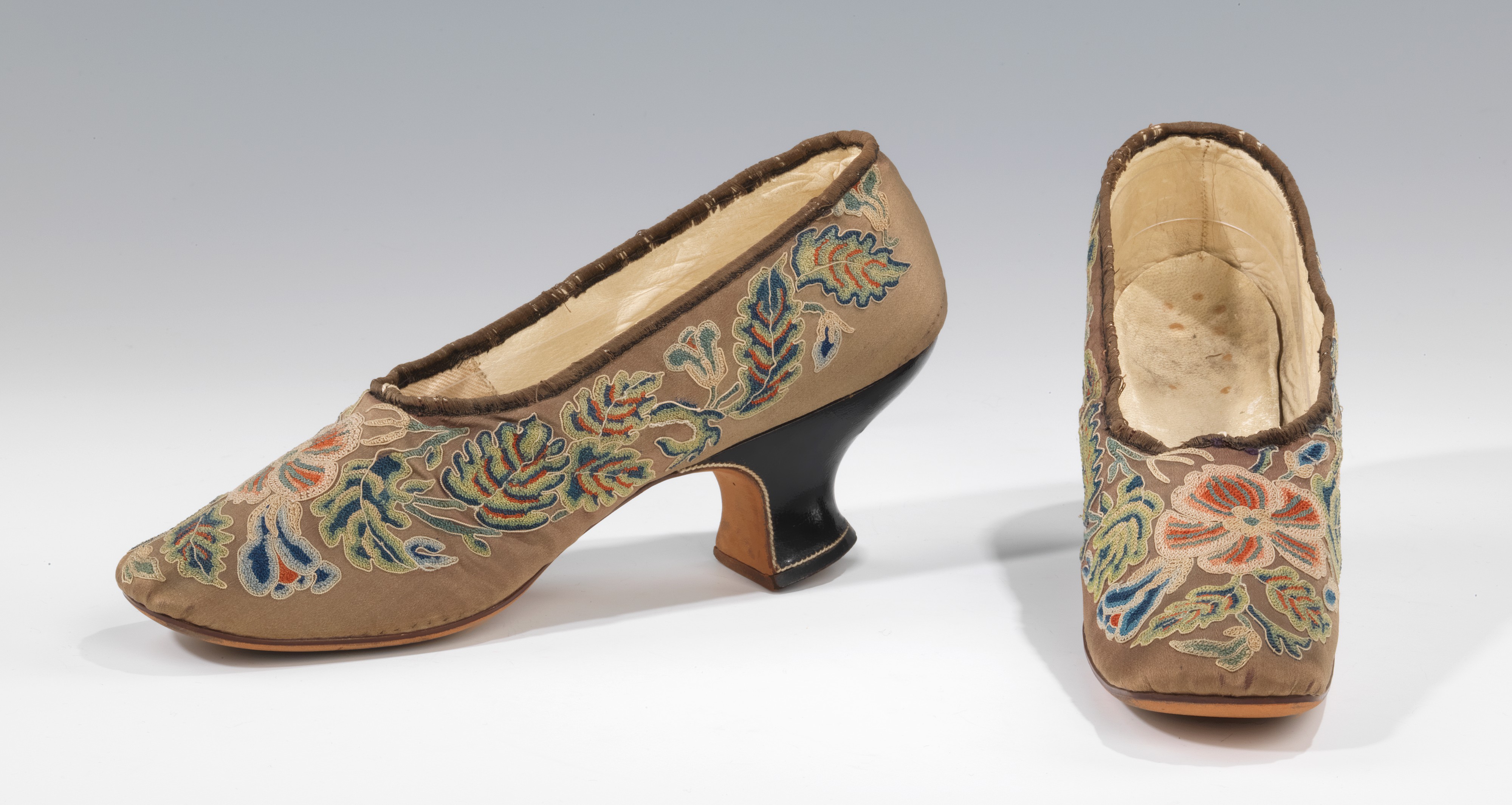
The Slipper: A Couture Object in Microcosm
Within the rarefied lexicon of haute couture, where grand gowns and architectural tailoring often command the spotlight, the slipper exists as a masterclass in concentrated luxury. As a subject of standalone study for Katherine Fashion Lab, it presents a unique paradox: an item of profound intimacy that projects potent social signification. Originating in the French court, crafted from the most sumptuous silks and supplest leathers, the couture slipper is not merely footwear but a complex cultural artifact. Its analysis reveals the foundational principles of haute couture—exclusive materiality, meticulous craftsmanship, and symbolic power—operating on a miniature, yet no less potent, scale. This examination positions the slipper not as an accessory, but as a primary object through which to understand the economics of desire, the performance of private life, and the very essence of French sartorial hegemony.
Historical Pedigree: From Levee to Salon
The slipper’s ascent to a couture object is inextricably linked to the performative theater of 17th and 18th-century French aristocracy, particularly the court at Versailles. Here, the distinction between public and private was deliberately blurred, and dress was a continuous performance of status. The mule—a backless slipper often with a raised heel—emerged as a crucial prop. Its adoption signaled a transition from the formal, outdoor world (represented by sturdy, heeled shoes) to the privileged spaces of the private apartment, the lever (rising) and coucher (retiring) ceremonies of the monarch. Crafted from exquisite silks, velvets, and embroideries that matched the interior décor as much as the robe, these slippers were markers of an elite who could afford such deliberate fragility. They spoke of a life conducted on Persian carpets and parquet floors, far from the mud of the street. This origin story implants in the DNA of the couture slipper its core contradictions: it is a public display of privacy, a functional item rendered deliberately non-utilitarian, and a symbol of status derived from its very impracticality.
Material Semiotics: Silk, Leather, and the Hierarchy of Touch
The prescribed materials—silk and leather—are not arbitrary choices but constitute a deliberate dialogue between interior and exterior, softness and structure, the sensual and the supportive. In couture terms, they represent a material manifesto.
Silk operates as the primary narrative fabric. Its use in slippers is an exercise in superlative textile selection. Chiffon, duchesse satin, or velvet provide a canvas for techniques central to the couture arsenal: hand-embroidery with silk threads, lunéville beading, delicate appliqués of lace or feathers. The silk slipper is often treated as a jewel, a precious extension of the stockinged foot, designed to catch the light in dimly lit salons. Its fragility is its virtue, necessitating a lifestyle of leisure and care. The silk slipper communicates through visual splendor and a whispered promise of opulence.
Leather, in this context, is typically reserved for the sole and, in some designs, a structured toe box or heel. Its role is one of clandestine support. The finest kid leather, buttery and thin, is hand-stitched to the upper, a testament to the botter’s art. This leather is not meant for the pavement; it is for gliding across polished surfaces. The contrast between the exposed luxury of the silk and the hidden excellence of the leather sole is a quintessential couture gesture: true luxury is comprehensive, attending to the unseen with the same rigor as the seen. The wearer’s experience—the silent step, the glove-like fit—is dependent on this union of materials.
Couture Methodology: Construction as Philosophy
The construction of a couture slipper adheres to the same sacred principles as a Dior bar jacket or a Chanel suit. It begins with the personalized foot moulage (casting) or a series of precise measurements, acknowledging that no two feet are identical. The last is then carefully adjusted, often by the artisan themselves, to create a foundation that follows the foot’s anatomy while elevating its form. The silk upper is cut with a parsimony that reflects the cost of the material, often bias-cut to ensure it drapes and moves with the foot. Any embellishment is applied by hand, with an intensity of labor that defies industrial logic.
This process culminates in the finishing, where the inside is as pristine as the exterior—seams covered, linings of pure silk. The result is an object of perfect proprioceptive fit: it feels less like something worn and more like an extension of the body. This alignment of craft and comfort is the ultimate luxury, transforming the slipper from a decorative item into a sensory experience. It embodies the couture promise of garments made not just for the body, but for the singular individual inhabiting it.
Contemporary Resonance: The Slipper as Autonomous Luxury Icon
In the modern context, the couture slipper has undergone a strategic re-contextualization. While it retains its aura of domestic luxury, it has been liberated from the boudoir. Seen on red carpets, paired with evening trousers or cocktail dresses, it challenges the hegemony of the stiletto, proposing a different kind of power—one rooted in confident ease and inherited taste. Fashion houses like Chanel (with its iconic camellia-embellished slippers) and Dior have successfully positioned their slippers as standalone luxury purchases, items of desire detached from a full ensemble.
This shift is commercially astute and culturally significant. It taps into contemporary desires for discreet signaling and investment in timeless, artisanal pieces. The slipper becomes a gateway to the couture world, an accessible entry point to an otherwise inaccessible realm of craftsmanship. It allows the wearer to participate in a narrative of French elegance and artisanal excellence, carrying the history of the French court in a single, graceful step. It is a testament to the object’s enduring power that it can transition from a symbol of aristocratic leisure to a modern badge of sophisticated discernment.
In conclusion, the slipper, through the lens of Katherine Fashion Lab, emerges as a microcosm of the entire couture ecosystem. Its French origin establishes a narrative of privileged spectacle, its material dialectic of silk and leather exemplifies the couture commitment to holistic quality, and its construction mirrors the philosophy of personalized perfection. Far from a footnote, the couture slipper is a concentrated study in how objects acquire meaning through craft, context, and cultural aspiration. It reminds us that in the highest echelons of fashion, even the step taken in private is a considered act of art.