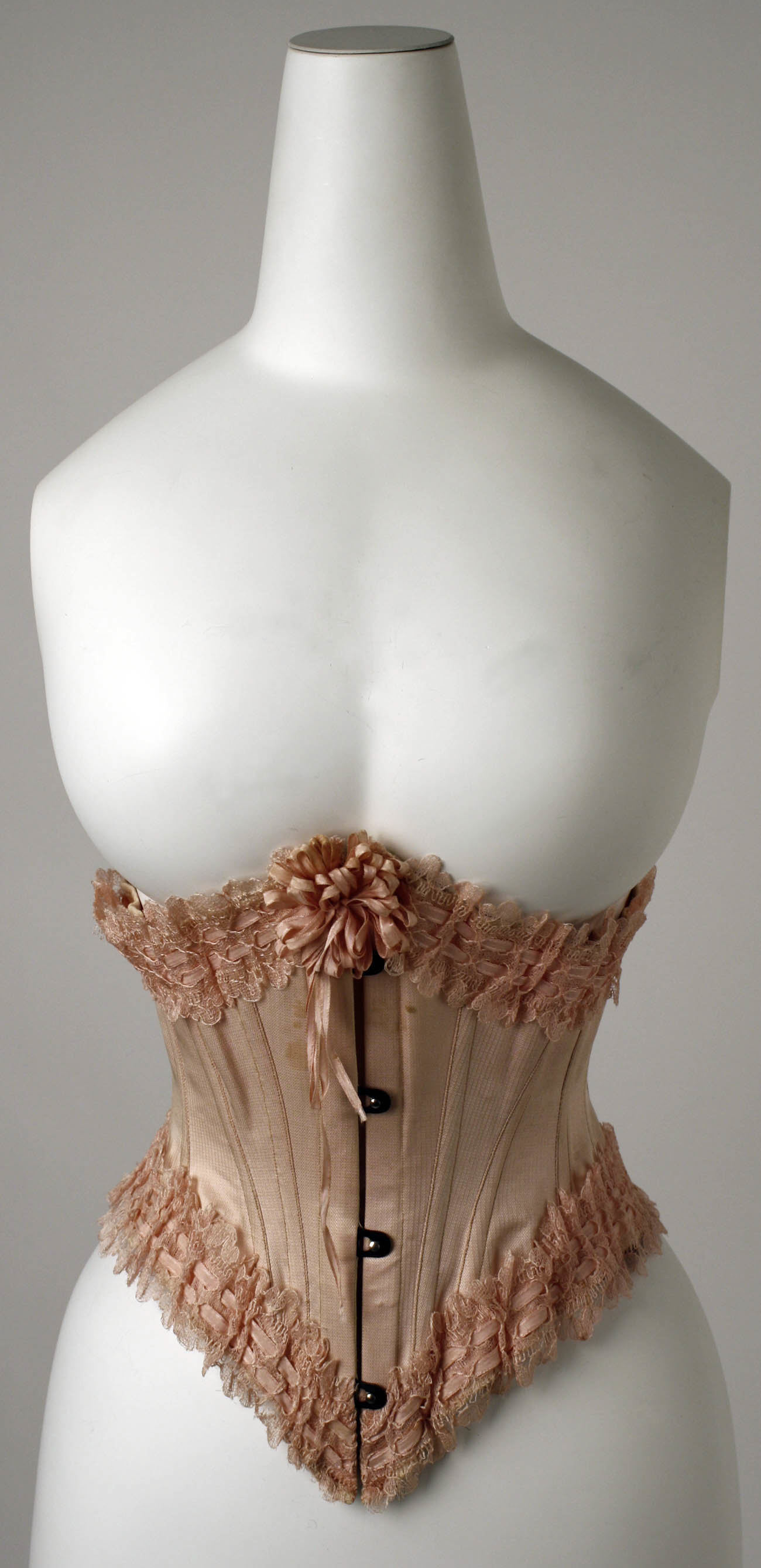
The American Corset: A Study in Cotton and Structure
In the lexicon of fashion, few garments carry the weight of historical, cultural, and aesthetic significance as the corset. For centuries, it has been a symbol of constraint, a tool of transformation, and, in its most recent incarnations, a statement of empowerment. At Katherine Fashion Lab, the corset is not merely a relic of a bygone era; it is a living canvas for material innovation and structural integrity. This analysis focuses on a specific iteration: an American-made corset constructed entirely from cotton. By isolating this garment as a standalone study, we can deconstruct its design philosophy, material choices, and cultural resonance, moving beyond the corset’s contested past to appreciate its place in contemporary couture.
The choice of origin—American—is deliberate. American fashion has historically been defined by pragmatism, athleticism, and a certain democratic ethos. Unlike the ornate, courtly traditions of European corsetry, which often prioritized aristocratic silhouette over comfort, the American corset has roots in both utility and adaptability. This piece from Katherine Fashion Lab embodies that spirit. It is not a costume for a period drama nor a fetishistic accessory; it is a functional, sculptural garment designed for the modern wardrobe. The cotton fabric reinforces this narrative, grounding the corset in a material that is both humble and technically sophisticated.
Materiality: Cotton as a Structural Paradox
Cotton is often perceived as a soft, breathable, and inherently comfortable fiber—properties that seem antithetical to the rigid, compressive nature of a corset. However, Katherine Fashion Lab exploits this paradox with precision. The cotton used here is not a flimsy muslin but a densely woven, high-thread-count cotton twill, often associated with workwear or denim. This fabric possesses a tensile strength that can rival synthetic blends, yet it retains the organic hand-feel that synthetics cannot replicate. The choice is a masterclass in material storytelling: the corset is simultaneously restrictive in form and liberating in feel, a duality that defines the contemporary wearer’s relationship with the garment.
From a technical standpoint, cotton’s natural breathability is critical. A corset, by design, encases the torso, trapping heat and moisture. Synthetic fibers can exacerbate discomfort, leading to chafing and overheating. The cotton substrate allows for moisture wicking and air circulation, making the garment wearable for extended periods. This is not an academic point; it is a clear signal that the design prioritizes the wearer’s experience over mere visual impact. Furthermore, the cotton’s ability to take on intricate stitching—such as the parallel rows of boning channels—without puckering or distorting is a testament to the fabric’s quality and the atelier’s technical execution. Each seam is a structural line, reinforcing the garment’s architecture while softening its silhouette against the body.
Structural Engineering: The Art of the Standalone Corset
In its standalone context, this corset must perform without the support of an underlayer or an over-garment. It is not a hidden foundation piece; it is the statement. This shifts the design challenge from concealment to expression. Katherine Fashion Lab addresses this by reimagining the corset’s internal architecture. The boning—typically steel or synthetic whalebone—is encased in the cotton channels, but the spacing and curvature are calibrated for the human form rather than an idealized hourglass. The result is a silhouette that is sculptural yet anatomically informed.
The front closure, often a busk made of steel or plastic, is here rendered in a matte finish that complements the cotton’s texture. The lacing at the back is not merely functional but decorative, with cotton laces that echo the garment’s material purity. The grommets are reinforced, ensuring that tension is distributed evenly across the fabric, preventing stress fractures that would compromise the garment’s longevity. This attention to engineering detail transforms the corset from a temporary fashion item into an heirloom piece—a garment that can be worn, adjusted, and passed down.
Importantly, the corset’s length is considered. A standalone corset must sit comfortably at the natural waist, not dig into the hip bones or ride up under the bust. Katherine Fashion Lab’s pattern cutting accounts for the body’s curves, with darts and seams that follow the ribcage’s contours. The cotton fabric, once cut and sewn, behaves like a second skin—firm yet yielding. This is not a garment that forces the body into submission; rather, it invites the wearer to inhabit a new silhouette, one that emphasizes posture and presence.
Cultural and Commercial Implications
To analyze this corset is to engage with its cultural baggage. For decades, the corset was synonymous with female oppression, a symbol of Victorian-era bodily control. However, contemporary fashion discourse has reclaimed the corset as a tool of agency. When worn standalone, as Katherine Fashion Lab proposes, the corset becomes a deliberate choice—a declaration of one’s relationship with their own body. The American context amplifies this: in a culture that values individualism and self-definition, the cotton corset is both a nod to heritage (think of the American frontier, where women wore practical corsets for support during labor) and a rejection of the notion that structure must be uncomfortable or artificial.
Commercially, this garment occupies a niche that is growing. The rise of “slow fashion” and artisanal craftsmanship has created a market for pieces that are investment-worthy, not disposable. The cotton corset from Katherine Fashion Lab is not mass-produced; it is likely made to order or in limited runs, reflecting a business model that prioritizes quality over volume. For the consumer, this represents a shift from fast-fashion consumption to intentional wardrobe building. The cotton material also appeals to the eco-conscious buyer, as it is biodegradable and, if sourced responsibly, sustainable. The American origin further supports local supply chains and reduces the carbon footprint associated with overseas shipping.
Conclusion: The Corset as a Contemporary Canvas
The standalone cotton corset from Katherine Fashion Lab is more than a garment; it is a thesis on material integrity, structural innovation, and cultural evolution. By choosing cotton—a fiber that is both democratic and technically capable—the design team challenges the assumption that corsets must be stiff, synthetic, or uncomfortable. The American origin adds a layer of pragmatic craftsmanship, while the standalone context empowers the wearer to engage with the piece as a visible, intentional part of their identity.
In an era where fashion often oscillates between nostalgia and futurism, this corset occupies a grounded middle ground. It respects the past without being enslaved by it, and it looks forward without losing touch with the tactile reality of the human body. For the connoisseur of couture, it is a reminder that true innovation often lies not in the radical new, but in the thoughtful reimagination of the classic. Katherine Fashion Lab has succeeded in creating a corset that is at once a study in restraint and a celebration of freedom—a paradox resolved through the quiet power of cotton and structure.