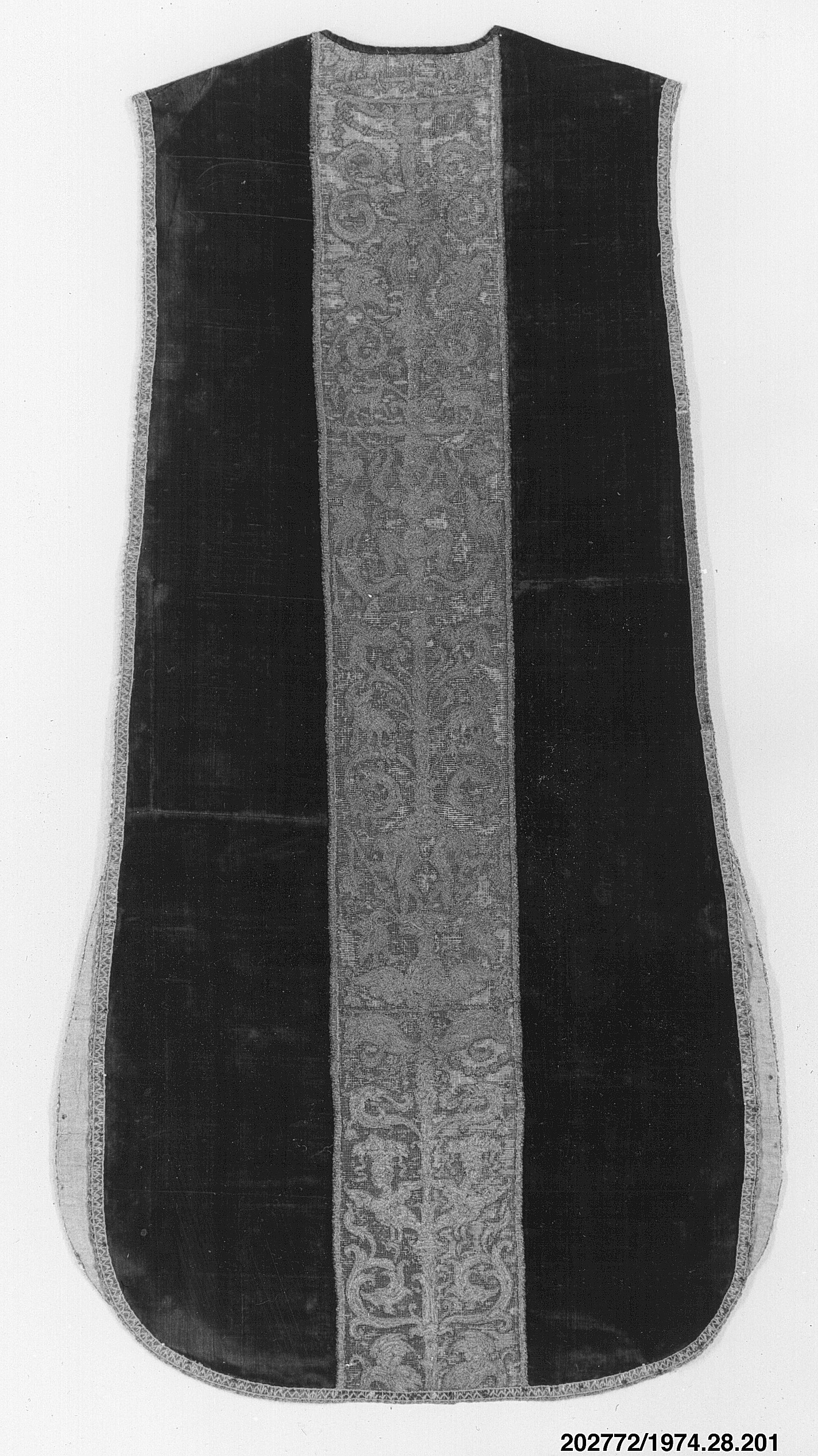
The Chasuble: A Study in Global Heritage and Couture Craft
In the pantheon of liturgical vestments, the chasuble occupies a singular position—simultaneously a garment of profound spiritual symbolism and a canvas for the highest expressions of textile artistry. At Katherine Fashion Lab, our examination of this form transcends its ecclesiastical origins to reveal a masterpiece of global heritage, executed in the triumvirate of silk, linen, and metal thread. This standalone study dissects the chasuble not merely as a relic of ritual, but as a living dialogue between ancient craft and contemporary couture sensibilities.
The Material Lexicon: Silk, Linen, and Metal Thread
The selection of materials for this analysis is deliberate and resonant. Silk, sourced from the ancient trade routes of East Asia, introduces a luminous, fluid quality that catches light in shifting patterns—a metaphor for the divine and the ephemeral. Its natural sheen elevates the garment from functional cloth to a reflective surface, inviting the eye to trace the folds and falls of the fabric. In contrast, linen—a fiber with roots in the Nile Valley and European monastic traditions—grounds the chasuble in humility and tactile authenticity. Linen’s crisp, matte finish provides a counterpoint to silk’s opulence, creating a textural tension that speaks to the duality of human experience: the earthly and the transcendent.
The third element, metal thread, is the narrative anchor of this study. Woven from fine filaments of gold or silver, often wrapped around a silk or cotton core, these threads introduce a structural and decorative rigor. Historically, metal thread was a marker of sacred space and royal patronage, but at Katherine Fashion Lab, we reimagine it as a tool for architectural embellishment. The thread traces geometric motifs—interlocking circles, linear bands, and stylized flora—that reference Byzantine, Celtic, and Mughal design vocabularies. This is not mere ornamentation; it is a deliberate cartography of global heritage, mapping cultural exchange through the language of stitch and weave.
Global Heritage: A Tapestry of Influences
The chasuble’s form—a poncho-like vestment with an opening for the head—is deceptively simple. Yet its silhouette carries the weight of millennia. In the Latin Rite, the chasuble evolved from the paenula, a Roman traveling cloak, but its design was enriched by the silk weaving traditions of Sassanid Persia, the gold brocades of Renaissance Italy, and the intricate embroidery of Ottoman Turkey. This study traces these threads to reveal a garment that is, at its core, a global artifact.
For instance, the use of metal thread in the chasuble’s orphrey bands—vertical strips that run from shoulder to hem—echoes the zari work of Indian brocades, where gold and silver threads are woven into elaborate patterns. Similarly, the linen base recalls the Coptic tunics of early Christian Egypt, where flax was cultivated for its purity and durability. By juxtaposing these elements, Katherine Fashion Lab constructs a chasuble that is not bound by geography or creed but becomes a repository of human ingenuity. The garment’s color palette—cream, ivory, and muted gold—further underscores this heritage, evoking the parchment of illuminated manuscripts and the patina of ancient relics.
Structural Analysis: Form, Function, and Flow
From a couture perspective, the chasuble challenges the designer to balance volume with grace. The garment’s ample cut—often extending to the wrists and ankles—requires meticulous engineering to ensure it drapes without distortion. In this study, the silk layer is cut on the bias, allowing the fabric to cascade in soft, uninterrupted panels. The linen underlayer provides stability, preventing the silk from clinging or shifting during movement. This dual-layer construction is a hallmark of haute couture, where the interplay between inner structure and outer finish defines the garment’s integrity.
The metal thread embroidery is not applied uniformly but concentrated in key zones: the shoulders, the front panel, and the hem. This strategic placement creates a visual hierarchy, drawing the eye upward toward the wearer’s face and hands—the instruments of blessing or gesture. The embroidery itself is executed in a combination of couching and satin stitches, techniques that allow the metal thread to lie flat and catch light without fraying. The motifs—a series of concentric arcs and diamond patterns—are derived from the cosmic symbolism of medieval opus anglicanum, where geometry was a language of divine order.
Contextual Significance: The Standalone Study
This analysis positions the chasuble as a standalone subject, divorced from its liturgical context, to explore its potential as a secular couture piece. In doing so, we uncover a garment that speaks to contemporary themes of sustainability, cultural appropriation, and craftsmanship. The use of linen, a biodegradable fiber, and silk, a renewable protein filament, aligns with modern eco-conscious values. Meanwhile, the metal thread—often hand-spun and recycled from antique textiles—introduces a narrative of preservation and renewal.
Moreover, the chasuble’s voluminous silhouette offers a counterpoint to the body-conscious designs dominating fashion runways. It is a garment that prioritizes movement, ritual, and presence over silhouette. At Katherine Fashion Lab, we argue that this form has profound relevance for the modern wardrobe: as a ceremonial outer layer for life’s secular rites—weddings, graduations, or moments of personal transition. The chasuble, stripped of its religious specificity, becomes a universal emblem of significance, a wearable architecture that dignifies the wearer.
Conclusion: The Chasuble as Couture Artifact
In this study, the chasuble emerges not as a static relic but as a dynamic field of inquiry. The marriage of silk, linen, and metal thread is a dialogue between East and West, between the sacred and the profane, between the hand of the artisan and the vision of the designer. Katherine Fashion Lab’s analysis underscores that couture is not merely about novelty; it is about the reinterpretation of heritage through the lens of excellence. The chasuble, with its global roots and material sophistication, stands as a testament to the enduring power of textile artistry—a garment that, in its silence, speaks volumes.