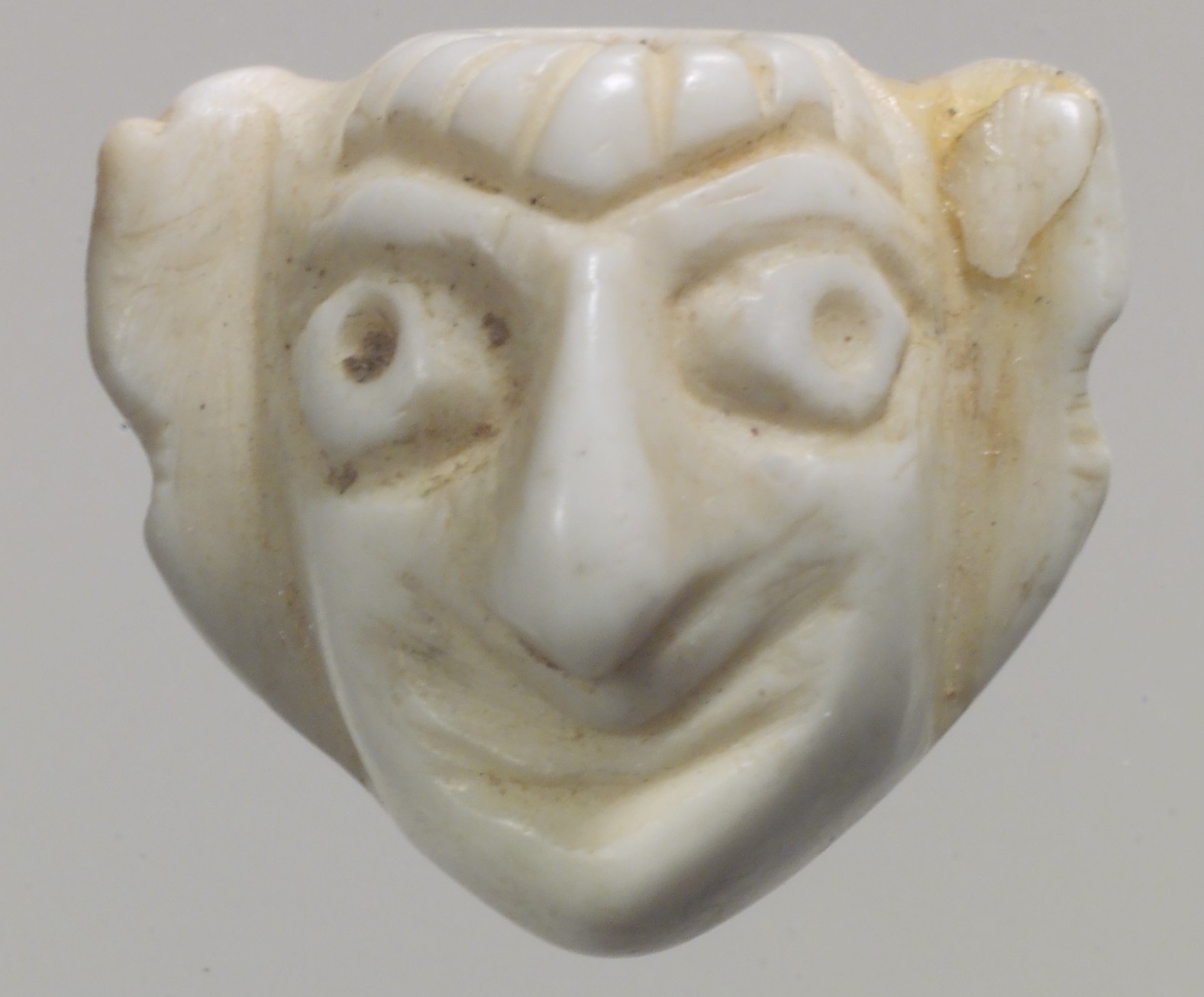
Heritage Analysis: The Sumerian Shell Amulet
Introduction: The Amulet as a Cultural Artifact
The amulet, a small object believed to possess protective or talismanic properties, represents one of humanity’s earliest and most enduring expressions of symbolic adornment. Within the context of Katherine Fashion Lab’s strategic research, the Sumerian shell amulet emerges as a profound artifact that bridges ancient spiritual belief systems with contemporary luxury aesthetics. This analysis examines the amulet through the dual lenses of heritage preservation and commercial innovation, focusing on its symbolic power, historical role in adornment, spiritual significance, and potential application within a 2026 high-end luxury strategy.
Symbolic Power: The Shell as a Vessel of Protection
In Sumerian culture, shells—particularly those sourced from the Persian Gulf and Mediterranean—were not merely decorative materials but potent symbols of life, fertility, and divine protection. The Sumerians, who flourished in Mesopotamia from approximately 4500 to 1900 BCE, attributed deep metaphysical significance to marine objects due to their association with the primordial waters of creation. The shell’s natural curvature and iridescent surface were seen as reflections of the goddess Inanna, the deity of love, war, and power. Amulets crafted from shell were often inscribed with cuneiform prayers or symbols, such as the “eye of protection” or the “knot of destiny,” intended to ward off evil spirits and ensure safe passage through life’s transitions—birth, marriage, childbirth, and death.
The symbolic power of the shell amulet lies in its duality: it is both a tangible object and a conduit for intangible forces. For Katherine Fashion Lab, this duality offers a compelling narrative for luxury branding. In an era where consumers seek authenticity and meaning, the shell amulet represents a heritage of protection and empowerment. By integrating this symbolism into modern design, the Lab can position its collections as not merely aesthetic but talismanic—objects that imbue the wearer with ancient resilience and grace.
Historical Adornment: The Amulet as Social and Ritual Object
Archaeological evidence from sites such as Ur, Uruk, and Lagash reveals that shell amulets were worn by individuals across Sumerian social strata, from priests and royalty to commoners. These objects were often strung on necklaces, sewn into garments, or carried in pouches, serving as both personal adornment and ritual implements. The shell’s natural luster and rarity made it a marker of status, while its protective function rendered it indispensable in daily life and ceremonial contexts. For example, burial sites frequently contain shell amulets placed on the chest or near the head, suggesting a belief in their ability to guide the soul in the afterlife.
Historically, the amulet’s role in adornment transcended mere decoration; it was a medium for social communication and spiritual alignment. The act of wearing an amulet was a declaration of faith, identity, and connection to the divine. For Katherine Fashion Lab, this historical context underscores the importance of craftsmanship and material integrity. The shell amulet’s production involved meticulous carving, polishing, and inscription—a process that mirrors the artisanal rigor required in high-end luxury. By reviving these techniques, the Lab can create pieces that honor Sumerian heritage while appealing to contemporary connoisseurs of craftsmanship.
Spiritual Meaning: The Amulet as a Bridge to the Divine
The spiritual dimension of the Sumerian shell amulet is inseparable from its material form. Sumerian religion was polytheistic, with a pantheon of gods and goddesses who controlled natural forces and human destiny. Amulets functioned as intermediaries between the mortal and divine realms, channeling the protection of deities such as Enki (god of wisdom and water) or Ninhursag (goddess of fertility). The shell, as a product of the sea, was particularly sacred to Enki, whose domain included the subterranean waters of creation. Wearing a shell amulet was thus an act of invoking Enki’s wisdom and safeguarding against chaos, disease, and misfortune.
This spiritual meaning resonates with modern luxury consumers who increasingly seek objects that offer a sense of grounding, purpose, and transcendence. In a fragmented world, the amulet provides a tangible link to a coherent belief system. For Katherine Fashion Lab’s 2026 strategy, the spiritual narrative of the shell amulet can be leveraged to create a collection that speaks to inner strength, protection, and self-care. By framing these pieces as “modern talismans,” the Lab can tap into the growing wellness and mindfulness trends, positioning jewelry as a tool for personal empowerment rather than mere ornamentation.
2026 High-End Luxury Strategy: Integrating Heritage into Modern Design
Katherine Fashion Lab’s strategic positioning for 2026 must reconcile the ancient with the avant-garde. The Sumerian shell amulet offers a blueprint for this synthesis, provided the Lab adheres to three core principles: authenticity, exclusivity, and narrative depth.
Authenticity in Materials and Sourcing: The shell amulet’s heritage demands ethical and transparent sourcing. For a 2026 luxury line, Katherine Fashion Lab should collaborate with marine conservation organizations to source sustainably harvested shells, such as mother-of-pearl or abalone, which echo the Sumerian original. Each piece should be accompanied by a certificate of origin and a narrative detailing its Sumerian inspiration, thereby satisfying the luxury consumer’s demand for provenance and ethics.
Exclusivity Through Artisanal Craftsmanship: The amulet’s historical production involved skilled artisans who could carve intricate symbols into shell surfaces. For 2026, the Lab can recreate this exclusivity by partnering with master jewelers trained in ancient techniques, such as micro-carving and cuneiform engraving. Limited-edition collections, with each piece numbered and signed, would appeal to collectors seeking unique, heirloom-quality items. The shell’s natural irregularities—its veins, striations, and color variations—can be celebrated as markers of individuality, aligning with the luxury sector’s shift toward imperfection as a sign of authenticity.
Narrative Depth and Spiritual Resonance: The 2026 luxury consumer is not merely buying a product but an experience and a story. Katherine Fashion Lab can develop a marketing campaign that positions the shell amulet as a “guardian of the soul,” drawing on Sumerian mythology to create a sensory narrative. This could include immersive digital content—such as virtual reality tours of Mesopotamian temples—or tactile packaging that incorporates sand and sea motifs. The amulet’s spiritual meaning can be further amplified by offering personalization services, where clients select specific symbols or prayers to be engraved, transforming the piece into a bespoke talisman.
Conclusion: The Amulet as a Strategic Asset
The Sumerian shell amulet is far more than a historical curiosity; it is a strategic asset for Katherine Fashion Lab’s 2026 high-end luxury portfolio. By honoring its symbolic power, historical role in adornment, and spiritual meaning, the Lab can create a collection that resonates with contemporary values of protection, authenticity, and craftsmanship. In an industry increasingly defined by ephemeral trends, the amulet offers a timeless anchor—a reminder that luxury, at its best, is a vessel for meaning. The Lab’s challenge is to translate this ancient heritage into a modern language of desire, ensuring that the shell amulet remains a symbol of power and grace for a new generation.