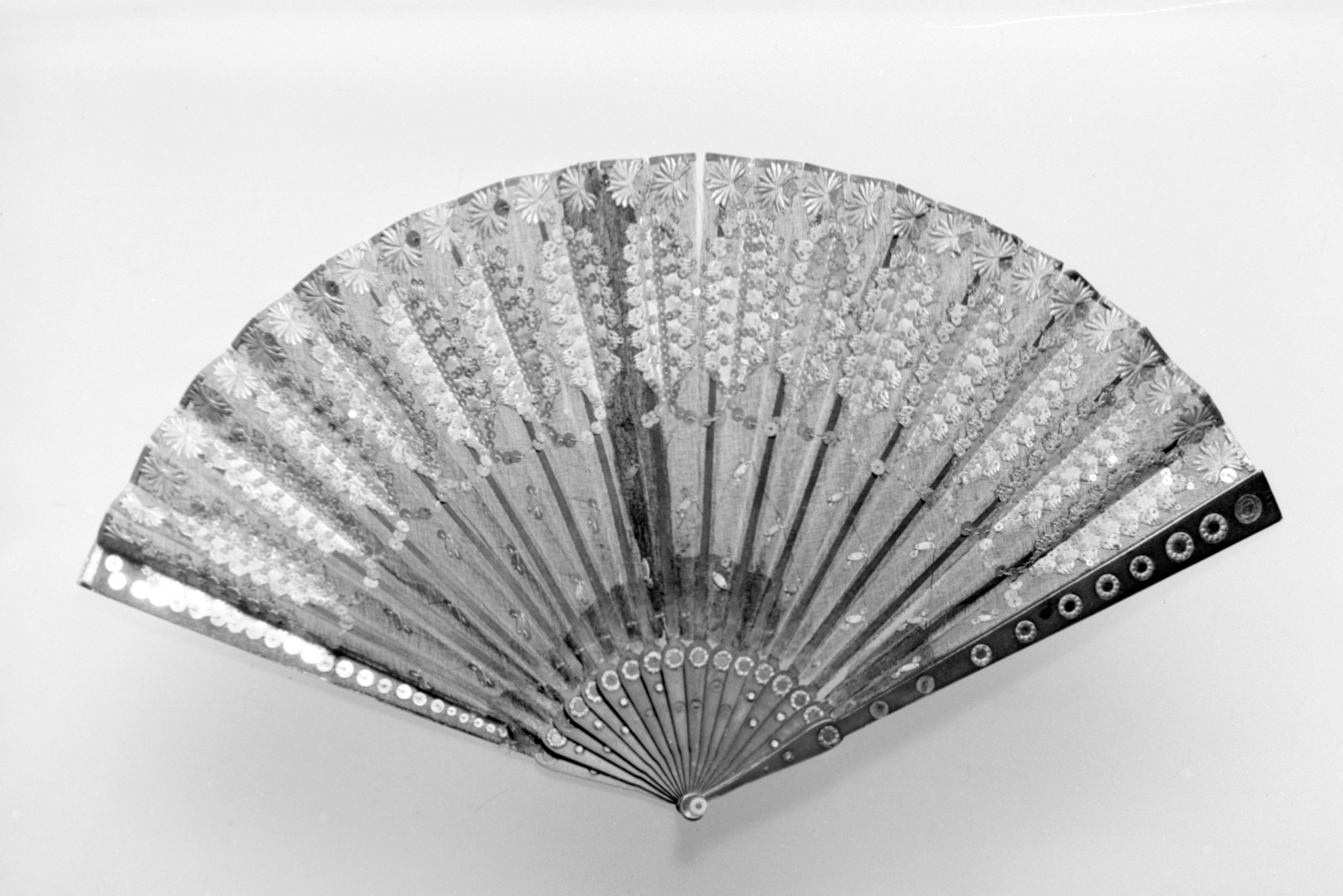
Heritage Analysis: The Fan as a Symbol of Power, Adornment, and Spiritual Authority in Ancient Civilizations
In the lexicon of historical adornment, few objects possess the layered significance of the fan. Originating in the ancient civilizations of Egypt, China, Greece, and Rome, the fan transcends its utilitarian function as a cooling device to become a potent emblem of symbolic power, spiritual meaning, and luxury status. For Katherine Fashion Lab, a strategic examination of the fan’s heritage offers a profound opportunity to inform a 2026 high-end luxury strategy that marries historical gravitas with contemporary exclusivity.
This paper presents a standalone heritage analysis of the fan, focusing on its material evolution—silk, ivory, paper, and metal—and its role as a carrier of cultural authority and spiritual resonance. The findings will be synthesized into actionable strategic insights for positioning the fan as a signature accessory within Katherine Fashion Lab’s luxury portfolio.
Symbolic Power: The Fan as an Instrument of Authority and Status
Ancient Egypt: The Flabellum of Divine Kingship
In ancient Egypt, the fan—specifically the flabellum—was not merely an accessory but a ceremonial instrument of royal and divine authority. Crafted from ostrich feathers mounted on gold or ivory handles, these fans were reserved for pharaohs and high priests. The flabellum’s sweeping motion was believed to generate life-giving air, symbolizing the breath of the gods. As recorded in tomb reliefs, the fan accompanied the pharaoh in processions and funerary rites, marking the transition between earthly rule and eternal divinity. The use of ivory and metal in its construction underscored the ruler’s access to rare, imported materials, reinforcing a monopoly on power.
Ancient China: The Fan as Social Currency
In ancient China, the fan evolved into a sophisticated tool of social stratification. During the Han Dynasty (206 BCE–220 CE), the circular silk fan became a symbol of scholarly refinement and imperial favor. Emperors bestowed fans inscribed with poetry or calligraphy as gifts to loyal courtiers, transforming the object into a portable emblem of political alliance. The use of silk—a highly prized textile reserved for elites—elevated the fan to a marker of cultural capital. The fan’s ability to conceal or reveal the user’s face also granted its bearer a subtle form of control over social interactions, a dynamic later codified in European courts.
Ancient Greece and Rome: The Flabellum and the Peacock Fan
In Greco-Roman traditions, the fan was associated with feminine authority and domestic luxury. Wealthy matrons used fans made from paper and metal to signal their status at public spectacles and religious festivals. The peacock feather fan, in particular, became a symbol of immortality and protection, as the “eyes” on the feathers were believed to ward off evil. This spiritual dimension merged with social display, as owning a fan decorated with exotic feathers or precious metals became a benchmark of aristocratic taste.
Historical Adornment: Materials as Markers of Prestige
Silk: The Fabric of Imperial Elegance
Silk fans, originating in China, were among the most coveted luxury objects in the ancient world. The labor-intensive process of sericulture and the secrecy surrounding silk production made these fans rare commodities. For Katherine Fashion Lab, silk offers a direct lineage to artisanal heritage and sensory luxury. The fabric’s ability to hold intricate embroidery or hand-painted motifs allows for bespoke customization, a key driver in the 2026 luxury market.
Ivory: The Material of Sacred and Secular Power
Ivory, sourced from elephant tusks or walrus teeth, was prized for its durability and luminous finish. In ancient Egypt and Rome, ivory fan handles were carved with religious iconography—such as the ankh or the sun disk—imbuing the object with spiritual protection. The ethical sourcing of ivory, however, is a critical consideration for modern luxury. Katherine Fashion Lab can reinterpret this heritage through sustainable alternatives, such as fossilized ivory or certified bone, to maintain material authenticity without compromising ethical standards.
Paper and Metal: The Democratization of Luxury
Paper fans, developed in China and later adopted in Japan, represented a shift toward accessible luxury. Painted with landscapes, poetry, or mythological scenes, these fans became canvases for artistic expression. Metal fans, often made of bronze or silver, were used in religious ceremonies to fan sacred flames or to cool the brow of deities. For a 2026 strategy, metal accents—such as gold-leafed ribs or silver filigree—can be incorporated into fan designs to evoke ancient ritualism while appealing to modern collectors.
Spiritual Meaning: The Fan as a Conduit Between Worlds
Ritualistic and Funerary Functions
Across ancient civilizations, the fan served as a bridge between the physical and spiritual realms. In Egypt, fans were placed in tombs to provide the deceased with eternal comfort and to ward off malevolent spirits. In China, Taoist priests used fans to direct cosmic energy (qi) during rituals, while in Greece, fans were waved over altars to carry prayers to the gods. This spiritual symbolism positions the fan as more than an accessory; it is a talisman of protection and transcendence.
Symbolism of Air and Breath
The fan’s primary function—moving air—links it to the universal element of breath, which in many ancient cultures was synonymous with life itself. The Egyptian concept of ankh (life) and the Chinese principle of qi are both embodied in the fan’s motion. For Katherine Fashion Lab, this spiritual narrative can be leveraged to create a brand story around renewal, vitality, and protection, appealing to consumers seeking meaningful luxury.
2026 High-End Luxury Strategy: Translating Heritage into Modern Exclusivity
Material Innovation and Ethical Sourcing
To align with 2026 consumer expectations, Katherine Fashion Lab should prioritize sustainable luxury. While ancient fans used ivory and rare metals, modern equivalents can employ certified silk, recycled metals, and plant-based ivory substitutes. The use of biodegradable paper with archival-quality ink can honor the paper fan tradition while meeting environmental standards. Limited-edition releases using heritage techniques—such as hand-painted silk or hand-carved handles—will command premium pricing.
Narrative-Driven Design
The fan’s history as a symbol of power and spirituality offers a rich narrative for brand storytelling. Katherine Fashion Lab can develop a “Sacred Air” collection, featuring fans inspired by Egyptian flabella, Chinese silk fans, and Greco-Roman peacock motifs. Each piece should include a provenance card detailing its cultural symbolism, transforming the fan into a collectible artifact. Collaborations with contemporary artists or calligraphers can further elevate the fan as a canvas for cultural dialogue.
Experiential Luxury and Ritualistic Marketing
In 2026, high-end luxury is increasingly defined by experiential consumption. Katherine Fashion Lab can host private unveilings where clients learn the art of fan-making, from silk stretching to hand-painting. The fan’s spiritual dimension can be integrated into wellness offerings—for instance, a “breath ceremony” where the fan is used in guided meditation. This positions the brand as a purveyor of not just objects, but transformative experiences.
Strategic Pricing and Exclusivity
Given the fan’s historical association with royalty, pricing should reflect scarcity and artisanship. A tiered approach: entry-level fans ($2,000–$5,000) using silk and metal; mid-tier ($10,000–$25,000) with hand-carved handles and gemstone accents; and bespoke commissions ($50,000+) featuring custom iconography and rare materials. Each tier should be limited to 100 pieces globally to maintain exclusivity.
Conclusion: The Fan as a Strategic Asset for Katherine Fashion Lab
The fan, as a heritage object from ancient civilizations, offers Katherine Fashion Lab a unique intersection of symbolic power, historical adornment, and spiritual meaning. By reinterpreting its materials—silk, ivory, paper, metal—and its ritualistic functions, the brand can create a 2026 luxury strategy that resonates with discerning consumers seeking authenticity, sustainability, and transcendence. The fan is not merely an accessory; it is a legacy. Katherine Fashion Lab is poised to revive that legacy with precision, artistry, and strategic foresight.