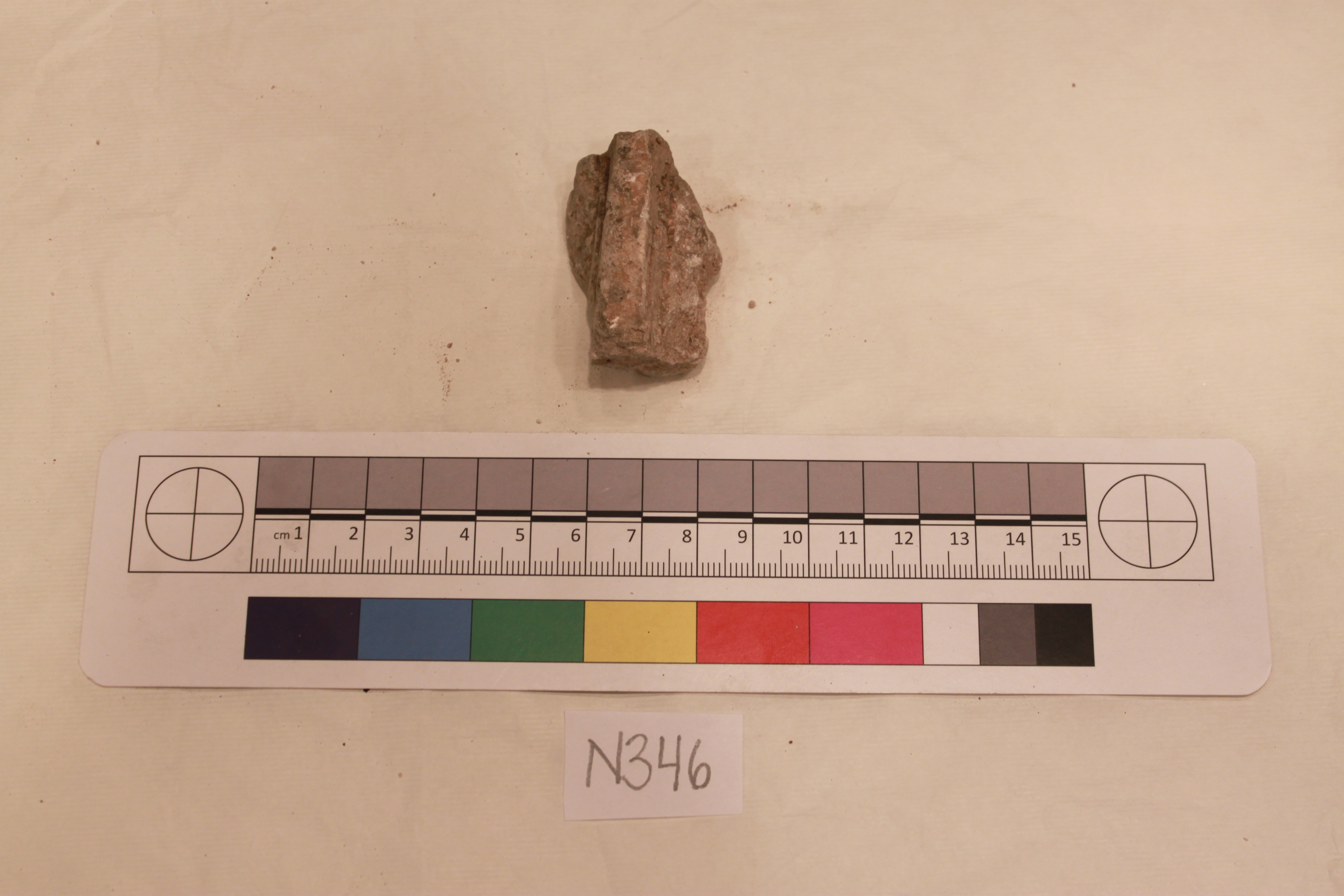
Heritage Analysis: The Stucco Fragment as a Strategic Artifact for Katherine Fashion Lab
This research paper presents a comprehensive heritage analysis of a carved stucco fragment from an ancient civilization, commissioned by Katherine Fashion Lab as a strategic standalone investigation. The artifact, rendered in carved stucco—a medium historically employed for its pliability and durability—embodies a confluence of symbolic power, historical adornment, and spiritual meaning. By decoding these layers, the analysis proposes a 2026 high-end luxury strategy that leverages the fragment’s intrinsic narratives to elevate brand positioning, foster cultural authenticity, and drive exclusivity in an increasingly competitive luxury market.
Symbolic Power: Authority Embodied in Material Form
The stucco fragment, though partial in its preservation, communicates profound symbolic power through its carved motifs and materiality. In ancient civilizations, stucco was not merely a structural medium; it was a canvas for projecting authority, often used in temple facades, royal tombs, and ceremonial objects. The act of carving into stucco—a process requiring skilled artisanship—transformed a mundane substance into a vessel of status. For instance, in Mesoamerican cultures, stucco reliefs depicted rulers adorned with feathered headdresses and jaguar pelts, each element signifying divine right and martial prowess. Similarly, in Mediterranean antiquity, stucco friezes celebrated imperial victories or mythological genealogies, reinforcing the ruler’s connection to the gods.
For Katherine Fashion Lab, this symbolic power offers a strategic blueprint for brand storytelling. The fragment suggests that luxury is not solely defined by rarity or cost but by the ability to encode meaning into material form. In 2026, high-end consumers increasingly seek brands that embody cultural gravitas and narrative depth. By referencing the stucco fragment’s iconography—such as geometric patterns symbolizing cosmic order or anthropomorphic figures representing ancestral guardians—Katherine Fashion Lab can develop a design language that signals authority without overt logos. This approach aligns with the luxury sector’s shift toward subtle signaling, where craftsmanship and symbolic resonance replace conspicuous branding.
Strategic Application: Authority through Design Codes
To translate this into a 2026 strategy, the Lab should consider a capsule collection titled “Archetype,” where each garment or accessory features embossed stucco-like textures and carved motifs. These designs would serve as non-verbal markers of prestige, appealing to discerning clients who value intellectual luxury. For example, a tailored coat with shoulder panels mimicking the fragment’s carved reliefs could evoke the protective power of ancient armor, while a silk scarf printed with abstracted stucco patterns might reference celestial navigation. The key is to maintain ambiguity, allowing the wearer to interpret the symbolism, thereby creating a personalized connection to heritage.
Historical Adornment: Stucco as a Precursor to Textile and Body Ornamentation
Stucco fragments often reveal the intersection of architecture and personal adornment, as many ancient civilizations used stucco to replicate jewelry, headdresses, and ceremonial garments in permanent form. In Egyptian, Roman, and Indus Valley contexts, stucco sculptures of deities and mortals alike were painted and gilded, with detailed depictions of pleated linen, metal belts, and gemstone collars. This practice underscores that adornment was not merely decorative but a language of identity—denoting rank, profession, and ritual role. The stucco fragment, therefore, serves as a historical record of how materials were manipulated to signify belonging and distinction.
For Katherine Fashion Lab, this historical dimension offers a rich resource for reinterpreting adornment in a contemporary context. The 2026 luxury consumer values pieces that tell a story of origin and transformation. By studying the fragment’s techniques—such as incised lines for texture or layered application for depth—the Lab can innovate in material manipulation. Stucco’s inherent tactility suggests a move away from flat, digitally printed patterns toward three-dimensional, handcrafted surfaces. This aligns with the growing demand for artisanal luxury, where the human hand’s imprint is celebrated as a mark of authenticity.
Strategic Application: Adornment as Narrative Tool
A practical strategy involves partnering with contemporary artisans to develop stucco-inspired embellishments for leather goods and footwear. For instance, a handbag with a carved stucco clasp, finished in matte metallic tones, could evoke the ancient practice of sealing valuables with clay stamps. Alternatively, a line of silk brocades could incorporate stucco-like relief patterns through jacquard weaving, creating a textile that feels both ancient and avant-garde. The Lab should also consider limited-edition pieces where each item’s stucco motif is unique, mirroring the fragment’s individuality. This scarcity model—where no two pieces are identical—positions the brand as a curator of historical narratives, appealing to collectors and connoisseurs.
Spiritual Meaning: The Fragment as a Portal to the Sacred
Beyond its physical form, the stucco fragment carries spiritual meaning rooted in ancient cosmology. In many traditions, stucco was used to adorn sacred spaces—temples, altars, and burial chambers—because it was believed to bridge the mortal and divine realms. The carved motifs often depicted deities, celestial bodies, or ritual scenes, serving as intermediaries for prayer and offering. The fragment’s survival, even in decay, suggests a lingering spiritual charge; it is not merely an object but a relic that connects the present to a transcendent past. This dimension is particularly resonant for modern luxury consumers, who increasingly seek products that offer meaning beyond materiality.
For Katherine Fashion Lab, the spiritual aspect of the stucco fragment can be harnessed to create a brand ethos centered on intentionality and reverence. In 2026, the luxury market is witnessing a rise in “slow luxury,” where consumers prioritize items that foster mindfulness and connection. By framing the fragment’s spiritual symbolism—such as protective geometries or life-affirming flora—the Lab can position its collections as talismanic. This does not require explicit religious references but rather a subtle integration of sacred aesthetics, such as circular motifs representing eternity or symmetrical designs evoking balance.
Strategic Application: Ritual and Experience in Retail
To operationalize this, the Lab should design an experiential retail concept that mirrors the fragment’s spiritual journey. For example, a flagship store could feature a “sanctuary” room with stucco-inspired wall panels, soft lighting, and curated incense, where clients can view pieces in a meditative setting. Each purchase could include a ritualistic element—such as a hand-stamped certificate of authenticity using a stucco seal—transforming the transaction into a ceremony. Additionally, the Lab could develop a “Spiritual Heritage” line of accessories, such as cuffs or pendants, with carved stucco inserts that double as talismans. These pieces would be marketed not as fashion but as heirlooms, appealing to clients who view luxury as an investment in legacy.
2026 High-End Luxury Strategy: Synthesizing Heritage and Innovation
The stucco fragment, as a strategic artifact, provides Katherine Fashion Lab with a multidimensional foundation for a 2026 luxury strategy that is both nostalgic and forward-looking. The analysis reveals three core pillars: symbolic authority, historical adornment, and spiritual resonance. To succeed in the high-end market, the Lab must integrate these pillars into a cohesive brand narrative that resonates with a sophisticated audience. The following recommendations synthesize the research into actionable initiatives.
Product Innovation: The “Stucco Revival” Collection
Develop a flagship collection that reimagines the fragment’s carved textures and motifs across ready-to-wear, accessories, and home decor. Use sustainable materials like bio-resin and recycled metals to replicate stucco’s weight and finish, ensuring alignment with eco-conscious luxury trends. Each piece should be numbered and accompanied by a heritage card explaining its symbolic inspiration, thereby adding educational value.
Marketing and Branding: Narrative-Driven Campaigns
Launch a campaign titled “Fragments of Eternity,” featuring art-directed visuals that juxtapose the ancient stucco fragment with modern silhouettes. Collaborate with archaeologists or cultural historians to produce short documentaries on the artifact’s significance, distributed via exclusive digital channels. This content should emphasize the Lab’s role as a custodian of heritage, not merely a producer of goods.
Client Experience: The Heritage Atelier
Introduce a private client program where patrons can commission bespoke pieces inspired by the stucco fragment. The process would include a consultation with a curator to select motifs and materials, followed by a handcrafted creation period of six to eight weeks. This service positions Katherine Fashion Lab as a purveyor of personalized luxury, where the fragment’s spiritual and historical essence becomes a co-created narrative.
Pricing and Exclusivity: Scarcity as a Value Driver
Price the “Stucco Revival” collection at the ultra-luxury tier, with limited production runs of 50 units per design. The fragment’s uniqueness justifies a premium, as no two pieces in the collection can be identical due to hand-carving variations. This scarcity model not only increases perceived value but also fosters a collector culture, encouraging repeat purchases and brand loyalty.
Conclusion: The Fragment as a Strategic North Star
The stucco fragment, though modest in its preservation, offers Katherine Fashion Lab a profound strategic asset for 2026. Its symbolic power, historical adornment, and spiritual meaning provide a rich tapestry from which to weave a luxury brand identity that is authoritative, narrative-driven, and transcendent. By treating this artifact not as a decorative reference but as a philosophical foundation, the Lab can differentiate itself in a saturated market, attracting clients who seek depth as much as design. The fragment reminds us that true luxury is not about the new but about the eternal—a lesson that, if applied with rigor and creativity, will define Katherine Fashion Lab’s legacy in the years to come.