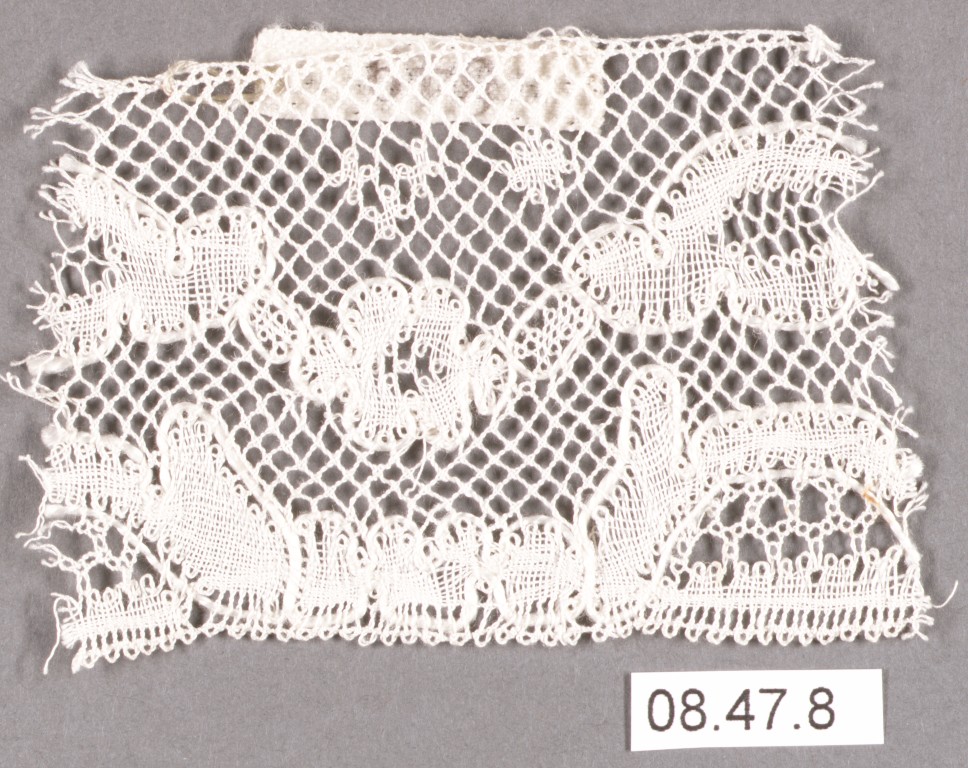
Fragment: A Couture Analysis of Bobbin Lace as Global Heritage
Introduction: The Paradox of the Fragment
In the lexicon of haute couture, the fragment is often dismissed as an incomplete narrative—a remnant of a larger whole, a casualty of time or intention. Yet, within Katherine Fashion Lab’s standalone study, the fragment is elevated from broken artifact to deliberate design philosophy. The subject, Fragment, is not a concession to imperfection but a sophisticated interrogation of memory, materiality, and cultural transmission. By grounding this exploration in the ancient craft of bobbin lace—a technique born from the interplay of threads and spindles across European, Asian, and Middle Eastern traditions—the Lab reframes heritage as a living, mutable archive. This analysis dissects how bobbin lace, as a global heritage material, transforms the fragment into a powerful couture statement, challenging conventional notions of completeness, authenticity, and luxury.
The Materiality of Bobbin Lace: A Global Tapestry
Bobbin lace is not a monolithic craft. Its origins span from the intricate Flemish point lace of the 16th century to the geometric Chantilly designs of France, and from the delicate filet lace of the Mediterranean to the silk-and-gold threads of Ottoman oya. Katherine Fashion Lab’s selection of this material is deliberate: bobbin lace embodies a paradox of fragility and resilience. Each thread is twisted, crossed, and pinned into patterns that are both rigidly structured and airily transparent. The fragment, in this context, becomes a microcosm of global exchange. A single piece of bobbin lace may carry the influence of Flemish weavers, Italian merchants, and Indian textile traditions—a silent testament to centuries of trade, colonization, and adaptation.
The Lab’s study focuses on unfinished or deconstructed bobbin lace fragments, deliberately extracted from historical garments or created anew with intentional breaks. This is not a celebration of decay but a forensic examination of how material carries memory. The fragment’s raw edges, loose threads, and asymmetrical patterns are preserved as evidence of human hands at work. In couture, where perfection is often the ultimate goal, this embrace of the incomplete is a radical act. It forces the viewer to consider the labor and lineage behind the lace—each bobbin a tool of cultural storytelling, each thread a link to a forgotten artisan.
Design Language: The Fragment as Architectural Narrative
In the standalone study, the fragment is not merely a decorative motif but an architectural principle. Katherine Fashion Lab employs bobbin lace fragments as structural elements, stitching them into garments that defy traditional silhouettes. Consider a bodice constructed from overlapping lace fragments, each piece oriented at a different angle to create a lattice of light and shadow. The gaps between fragments are not voids but intentional negative spaces, echoing the voided techniques of historical lace—where empty spaces were as important as the threads themselves. This approach mirrors the Japanese aesthetic of wabi-sabi, where impermanence and imperfection are celebrated, yet it is distinctly global in its reference points.
The color palette is restrained: ivory, ecru, charcoal, and oxidized silver. These hues evoke the patina of age—the yellowing of linen, the tarnish of metal threads—without romanticizing decay. Instead, they suggest a material that has lived, traveled, and been touched by different climates and cultures. The fragment’s edges are left raw or finished with a single, contrasting stitch, as if the garment itself is a work in progress. This unfinished quality is a deliberate commentary on the nature of heritage: it is never static, always being reinterpreted, and never fully complete.
Cultural Resonance: From Archive to Atelier
Katherine Fashion Lab’s study of the fragment through bobbin lace sits at the intersection of cultural preservation and contemporary innovation. The Lab sources its lace fragments from global archives—Belgian convent collections, Venetian merchant inventories, Ottoman court textiles—and recontextualizes them in a modern atelier. This is not appropriation but collaboration with history. Each fragment is treated as a primary source, a document of its time, and the Lab’s designers act as translators, not authors. The result is a couture piece that feels both ancient and futuristic, a dialogue between the lacemaker’s hands and the digital precision of modern pattern-cutting.
The fragment also serves as a critique of the fashion industry’s obsession with the new. In an era of fast fashion and disposable trends, the fragment demands patience. It requires the wearer to engage with the garment’s history, to appreciate the hours of labor in a single square inch of lace. This is slow couture in its purest form—a rejection of speed in favor of depth. The Lab’s standalone study, therefore, is not just about a material or a shape but about a philosophy of consumption. It asks: What does it mean to wear a fragment of history? How does a garment become a vessel for global narratives?
Technical Execution: The Craft of the Fragment
From a technical standpoint, the construction of a fragment-based bobbin lace garment is extraordinarily complex. The Lab employs hand-finishing techniques that mimic the original lacemaking process. Each fragment is pinned to a dress form, its contours traced and adjusted to fit the body’s geometry. The gaps between fragments are bridged with fine silk threads, creating a point d’esprit effect—a netting that is both transparent and structural. This technique requires the precision of a surgeon and the patience of a monk. The Lab’s artisans often spend weeks on a single sleeve, ensuring that the tension of each thread is consistent with the historical original.
The fragment’s weight is also a consideration. Bobbin lace is notoriously delicate, but when layered and stitched, it gains unexpected strength. The Lab uses a lightweight silk organza backing to support the lace without altering its drape. This invisible scaffold allows the fragment to float against the skin, creating a sensation of weightlessness. The garment’s interior is as carefully considered as its exterior: seams are bound with bias-cut silk, and each fragment is labeled with its provenance—a quiet acknowledgment of the hands that made it.
Conclusion: The Fragment as Future Heritage
Katherine Fashion Lab’s standalone study of the fragment through bobbin lace is a masterclass in narrative design. It elevates the incomplete to a status of profound completeness, where the missing pieces are as meaningful as the present ones. In a world obsessed with digital perfection, the fragment reminds us of the beauty of the handmade, the value of the imperfect, and the power of heritage as a living, breathing entity. This is not nostalgia but a forward-looking vision of couture as a repository of global memory. The fragment, in the Lab’s hands, becomes a bridge between past and future, a thread that connects us to the countless hands that have shaped our shared textile history.
For the discerning collector, this study offers more than a garment—it offers a fragment of time, a piece of a larger story that continues to unfold. And in that unfolding, Katherine Fashion Lab redefines what it means to wear heritage: not as a relic, but as a living, evolving art form.