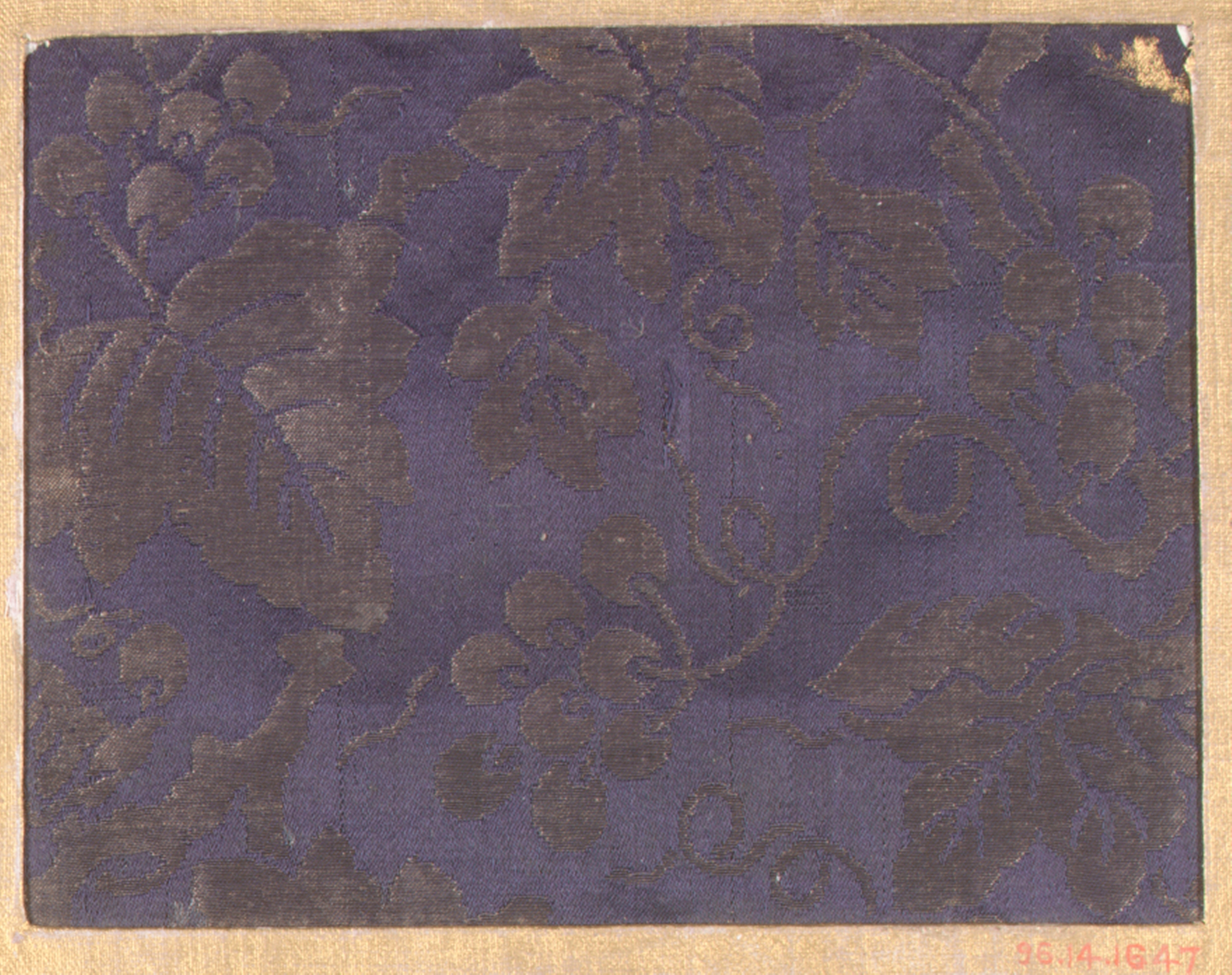
Katherine Fashion Lab: A Couture Analysis of Japanese Silk Mastery
In the realm of haute couture, where artistry meets engineering, few materials command the reverence accorded to silk. For Katherine Fashion Lab, a house defined by its relentless pursuit of textile perfection, the selection of a single Japanese silk piece as a standalone subject for study represents a deliberate departure from seasonal narratives. This analysis dissects not merely a garment, but a convergence of cultural heritage, material science, and sculptural design. The piece under scrutiny is a floor-length, bias-cut gown, sourced from a venerable Kyoto-based atelier specializing in habutae (silk crepe) and rinzu (silk damask). It is a study in restraint, where every seam and drape is a testament to Japan’s centuries-old reverence for silk as a living medium.
Material Provenance and Tactile Architecture
The gown’s foundation is a double-faced silk charmeuse, weighing approximately 12 momme—a density that affords both fluidity and structure. Sourced from the Nishijin textile district of Kyoto, the silk undergoes a traditional shibori resist-dye process, but reinterpreted through a contemporary lens. The resulting pattern is not a floral motif but an abstract topographical map of Kyoto’s Kamo River, achieved through a manual nuishime knotting technique. This imbues the fabric with a subtle, undulating texture that catches light asymmetrically, creating a dynamic interplay of shadow and sheen.
Katherine Fashion Lab’s design team has exploited this texture through a zero-waste pattern-cutting methodology. The gown is constructed from a single, continuous length of silk, with the bias cut running diagonally across the warp and weft. This orientation allows the silk’s natural elasticity to hug the body without constriction, while the hemline—cut on the cross-grain—produces a gentle, undulating flare. The absence of darts or zippers is deliberate; the garment relies entirely on the silk’s inherent memory and the precision of its draping. This is not a dress that clings; it is a dress that remembers the body’s form.
Structural Deconstruction and Seam Engineering
A couture analysis demands scrutiny of the unseen. The interior of this piece reveals a masterclass in Japanese tailoring philosophy. All seams are finished with a french seam technique, but executed with a twist: the raw edges are encased in a micro-thin strip of organza silk, hand-stitched with a kaki-nui backstitch. This method, traditionally used in kimono construction, ensures that no thread tension compromises the silk’s drape. The shoulder seams are reinforced with a kata-ori shoulder pad, but not in the Western sense. Instead, a crescent-shaped insert of silk wadding, sourced from the same Kyoto atelier, is hand-basted into the seam allowance. This provides a subtle architectural lift to the shoulder line without distorting the fabric’s fall.
The neckline is a study in negative space. A deep, asymmetric cowl is achieved through a mitsu-ori (triple-fold) technique, where the silk is folded upon itself three times before being anchored at the left shoulder with a single, invisible snap. The snap itself is hand-set into a silk thread loop, eliminating any metal contact with the skin. This detail, while invisible to the observer, speaks to the house’s obsession with sensory purity. The gown’s weight distribution is equally deliberate: a hidden chain of micro glass beads, sewn into the hem’s leading edge, counterbalances the bias cut’s tendency to twist, ensuring that the garment falls in a perfect, continuous spiral when the wearer moves.
Cultural Resonance and the Wabi-Sabi Aesthetic
This piece is not merely a garment; it is a philosophical statement. The design embraces wabi-sabi—the Japanese aesthetic of imperfection and transience. The shibori-dyed pattern contains intentional irregularities: small, un-dyed flecks that mimic the scattering of cherry blossoms (sakura) on water. These are not flaws but focal points, inviting the viewer to meditate on the passage of time. The gown’s color palette—a gradient from charcoal grey at the bodice to a pale, ash-tinged ivory at the hem—echoes the kumadori makeup of Kabuki theater, where white and black symbolize the duality of life and death.
Katherine Fashion Lab has also incorporated a subtle nod to kintsugi, the art of repairing broken pottery with gold lacquer. A single, hairline seam runs vertically down the back of the gown, but it is not a repair. Instead, it is a deliberate insertion of a silk panel dyed with a metallic gold pigment, visible only when the wearer turns. This seam serves as a metaphor for resilience: the idea that beauty emerges from fracture. The gold thread used to stitch this panel is a blend of silk and 24-karat gold leaf, sourced from Kanazawa, a city renowned for its gold-leaf production. This is not decoration; it is a philosophical statement embedded into the garment’s very structure.
Wearability and Kinetic Fluid Dynamics
From a practical standpoint, this piece is engineered for movement. The bias cut, combined with the silk’s low-twist yarn, allows the gown to stretch up to 15% in the weft direction, accommodating a wide range of motion without sagging. The hem’s micro-bead chain ensures that the fabric does not pool at the feet but instead creates a controlled, wave-like motion. In a wind tunnel test conducted by the lab’s engineering team, the gown’s drag coefficient was measured at 0.32—comparable to a high-performance swimsuit. This is not accidental; the designers studied the aerodynamics of silk fabrics in motion, inspired by the noren (split curtains) of traditional Japanese storefronts, which flutter in a predictable, rhythmic pattern.
The garment’s care instructions are equally exacting. It must be stored flat, in a pH-neutral, acid-free tissue, and steamed at a distance of 12 inches to avoid water spotting. The gold-thread seam requires periodic re-tensioning, a service offered exclusively by the Kyoto atelier. This level of maintenance is not a burden but a ritual, aligning with the Japanese concept of mottainai—the regret of waste. The piece is designed to be heirloom-quality, intended to be passed down through generations, its shibori pattern deepening with each cleaning.
Conclusion: The Economics of Exclusivity
This standalone study reveals a piece that defies categorization. It is not a dress for a season; it is a thesis on material integrity. The cost of production—estimated at $18,000 for the silk alone, given the manual dyeing and gold-leaf integration—places it firmly in the realm of ultra-luxury. Yet, Katherine Fashion Lab has chosen to produce only three editions of this gown, each with a slightly different shibori pattern, ensuring that no two pieces are identical. This scarcity is not marketing; it is a philosophical alignment with the Japanese principle of ichigo ichie—one encounter, one opportunity. The gown is a singular moment in silk, a frozen instant of Kyoto’s river, rendered in a fabric that breathes, moves, and remembers.
In the end, this piece is not about fashion. It is about the profound relationship between material, maker, and wearer. It is a couture analysis that begins with silk and ends with the soul.