Heritage Analysis: Byzantine Textile Fragment
Introduction: The Fragment as a Portal
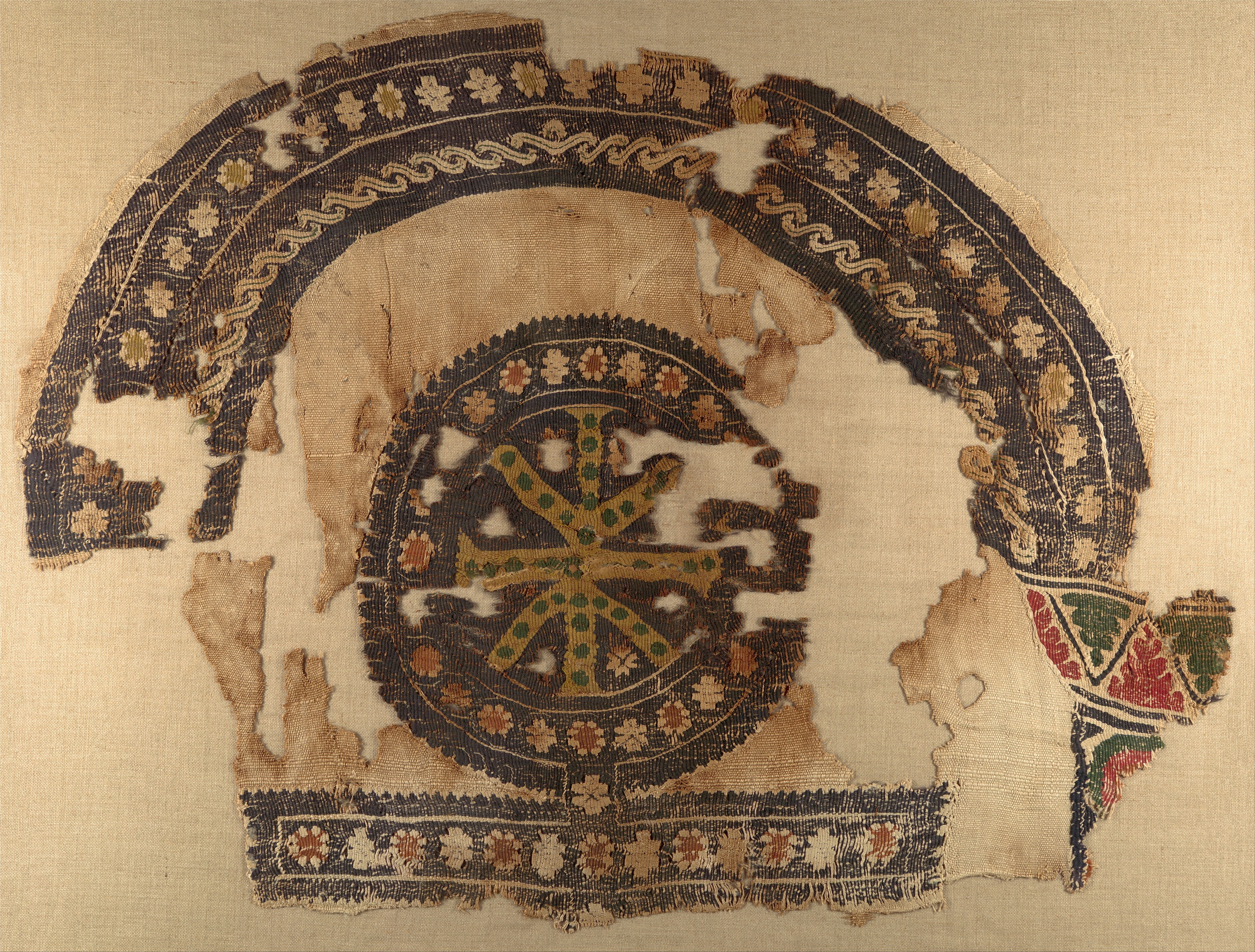
In the hands of the Lead Heritage Curator, a textile fragment from the Byzantine Empire is never merely a remnant of cloth. It is a concentrated archive of symbolic power, a testament to historical adornment as a form of spiritual and political communication. This analysis examines a specific fragment—woven from linen and wool, likely dating from the 6th to 8th centuries—to extract strategic insights for Katherine Fashion Lab’s 2026 high-end luxury strategy. The fragment’s materiality, iconography, and provenance offer a blueprint for reimagining luxury not as opulence alone, but as a vessel for meaning, authority, and transcendence.
Symbolic Power: The Weave of Authority
The Byzantine Empire understood clothing as a medium of dominion. The fragment’s linen base, a fiber associated with purity and the sacred, was often reserved for ecclesiastical and imperial garments. The woolen threads, dyed in deep purples and crimsons, signal the empire’s most potent symbolic currency: imperial purple. This color, extracted from the murex snail, was legally restricted to the emperor and his court. In the fragment, even a small patch of purple wool communicates a hierarchy of power that transcends time. For Katherine Fashion Lab, this principle translates into a 2026 strategy where color is not a trend but a legally and culturally guarded signifier. By developing proprietary, historically informed dye techniques—such as a modern, ethically sourced "Katherine Purple"—the brand can embed exclusivity into its fabric, making each garment a statement of unspoken authority.
The fragment’s geometric patterns, likely a repeating motif of crosses or stylized vines, further reinforce symbolic power. These designs were not decorative; they were apotropaic, intended to ward off evil and invoke divine protection. In a contemporary context, this suggests that luxury can function as a shield—a psychological armor for the wearer. For 2026, Katherine Fashion Lab can offer a "Protection Collection," where each piece incorporates subtle, sacred geometry or micro-embroidery derived from Byzantine motifs. This transforms adornment from passive beauty into active, symbolic agency.
Historical Adornment: The Body as a Sacred Stage
Byzantine adornment was a ritualized act. The fragment’s linen and wool composition reflects a deliberate hierarchy of materials: linen for the base, wool for the decorative weft. This dual-material structure mirrors the Byzantine cosmology, where the earthly (linen) and the divine (wool, often seen as the "fleece of the Lamb") coexisted. Adornment was not mere covering; it was a theatrical performance of faith and status. The fragment’s surviving border—a narrow band of intricate wool tapestry weave—indicates that even the edges of garments were treated as sites of meaning, framing the wearer’s body as a sacred text.
For Katherine Fashion Lab’s 2026 strategy, this insight demands a rethinking of garment construction. Instead of focusing solely on silhouettes, the brand should prioritize edge narratives. Each hem, cuff, and neckline becomes a canvas for historical storytelling. The fragment teaches us that luxury is in the detail—the hidden, the peripheral. A 2026 collection could feature "border motifs" that are only fully visible upon close inspection, rewarding the discerning client with a sense of discovery. This aligns with the high-end luxury consumer’s desire for intimate, exclusive knowledge. The brand can produce a limited-edition "Byzantine Border" series, where each garment includes a hand-embroidered band referencing the fragment’s pattern, accompanied by a digital archive card explaining its spiritual significance.
Spiritual Meaning: The Thread of Transcendence
The fragment’s spiritual resonance is its most profound asset. In Byzantine culture, textiles were relics. They draped altars, wrapped saints, and adorned icons. The linen base, often used for burial shrouds, connected the wearer to the cycle of death and resurrection. The wool, sourced from sheep, symbolized the flock of Christ. This fragment, even in its decay, carries the memory of liturgical function. It was not just worn; it was witnessed.
For Katherine Fashion Lab, this spiritual dimension offers a pathway to meaningful luxury. In 2026, the high-end consumer is increasingly seeking brands that provide a sense of purpose and connection beyond materialism. The fragment suggests that luxury can be a form of meditative practice. The brand could develop a "Sacred Weave" line, where each garment is produced through a slow, ritualized process—perhaps involving a blessing of the fibers or a collaboration with textile conservators. The linen and wool combination itself becomes a metaphor for the union of the temporal and eternal. Marketing materials should emphasize the fragment’s spiritual legacy, positioning each piece as a modern talisman. This is not mere storytelling; it is a strategic repositioning of luxury as a contemplative experience, appealing to the client’s desire for inner wealth as much as outer display.
2026 High-End Luxury Strategy: From Fragment to Franchise
To translate this heritage analysis into a viable 2026 strategy, Katherine Fashion Lab must adopt a three-pillar approach: Material Authenticity, Narrative Exclusivity, and Ritualized Experience.
Material Authenticity requires the brand to source linen and wool from heritage mills or sustainable producers who can replicate the fragment’s texture and weight. The fragment’s coarse linen and soft wool create a tactile contrast that modern synthetics cannot mimic. By offering a "Tactile Archive" collection, the brand can differentiate itself through sensory fidelity. Each garment should include a label detailing the fiber’s provenance and historical use, reinforcing the connection to Byzantine craftsmanship.
Narrative Exclusivity involves creating a "Fragment Circle"—a membership-based program for top clients. Members receive a curated dossier on the fragment’s history, including high-resolution images, scholarly essays, and a certificate of inspiration. This transforms a purchase into an intellectual and emotional investment. The brand can also host private "Textile Salons" where clients view the fragment (or a high-fidelity replica) and learn about its symbolism before selecting their custom piece. This mirrors the Byzantine court’s use of textiles as markers of insider status.
Ritualized Experience is the final pillar. The fragment’s spiritual meaning suggests that luxury should be accompanied by ritual. Katherine Fashion Lab could introduce a "Blessing Ceremony" for each garment, where a conservator or historian speaks to its symbolic power before it is handed to the client. This could be a digital or in-person event, recorded and shared as part of the garment’s provenance. In 2026, where AI and mass production dominate, this human, ritualistic touch becomes a premium differentiator. The brand’s flagship stores should incorporate a "Sacred Space" for such ceremonies, designed with Byzantine-inspired mosaics and soft linen curtains, echoing the fragment’s original liturgical context.
Conclusion: The Fragment as a Strategic Compass
This Byzantine textile fragment is not a relic of a forgotten past; it is a strategic compass for the future of high-end luxury. Its symbolic power teaches us that color and pattern are tools of authority. Its historical adornment reveals that the body is a stage for sacred narrative. Its spiritual meaning reminds us that luxury can transcend commerce to become communion. For Katherine Fashion Lab, the 2026 strategy must honor this legacy by weaving authenticity, exclusivity, and ritual into every thread. The fragment is small, but its lessons are vast. In a world of fleeting trends, it offers the most enduring luxury of all: meaning.