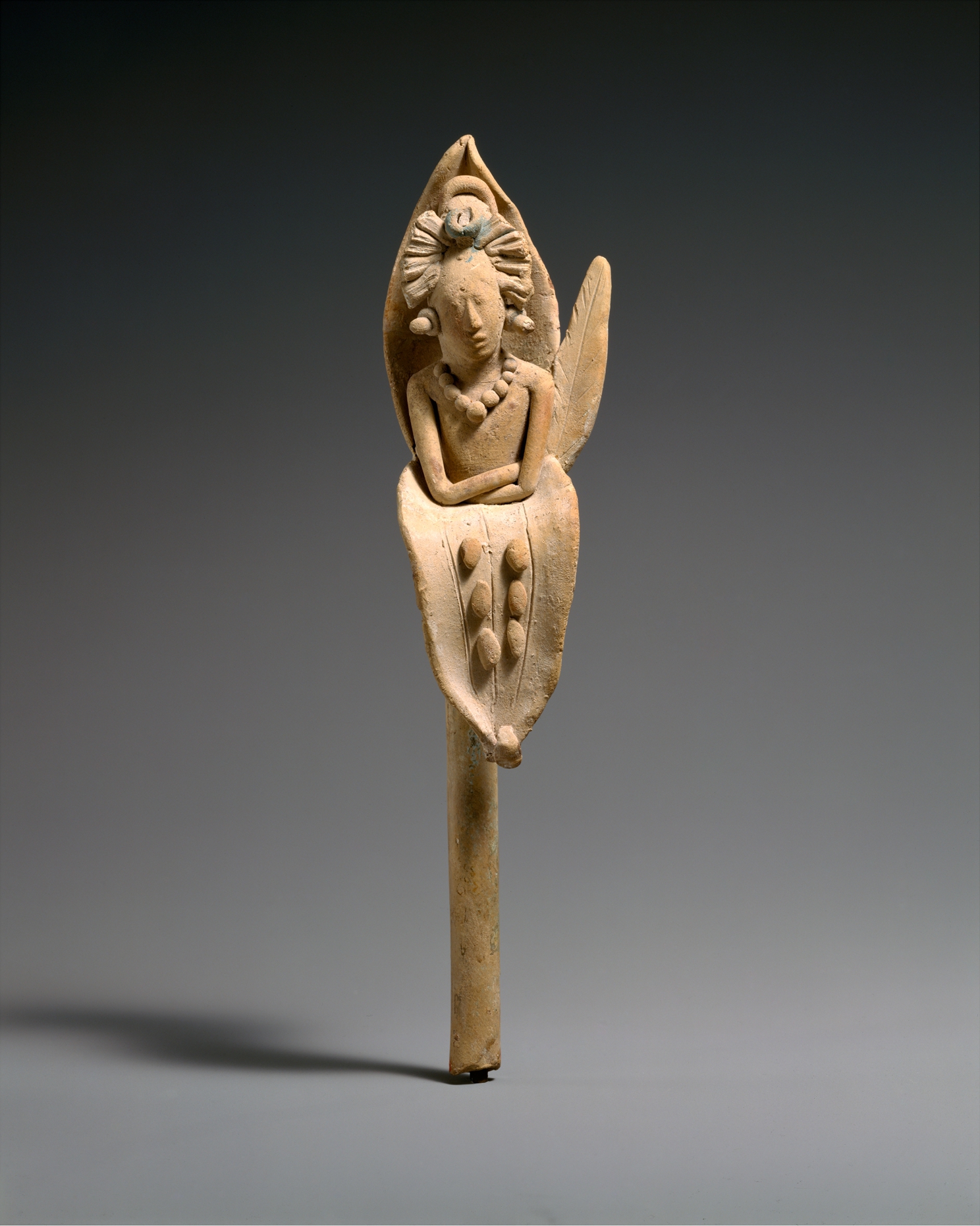
Heritage Analysis: The Whistle with the Maize God Emerging from a Flower
Introduction to the Artifact
The Whistle with the Maize God emerging from a flower is a masterwork of Maya ceremonial artistry, dating to the Classic Period (c. 250–900 CE). Crafted from ceramic and adorned with Maya blue and hematite pigments, this artifact embodies the intersection of ritual sound, agricultural fertility, and divine kingship. As a strategic standalone research subject for Katherine Fashion Lab, this piece offers profound insights into symbolic power, historical adornment, and spiritual meaning, which can be translated into a compelling 2026 high-end luxury strategy. The whistle’s dual function—as both a musical instrument and a visual narrative—positions it as a talisman of transformation, resonating with contemporary luxury consumers seeking authenticity and transcendence.
Symbolic Power: The Maize God as a Cultural Archetype
The Maize God, known as Hun Hunahpu in Maya mythology, is a central figure representing life, death, and rebirth. His emergence from a flower signifies the cyclical nature of agriculture and human existence. The flower, often a water lily or a stylized bloom, symbolizes the watery underworld and the regenerative forces of nature. This iconography carries immense symbolic power: the Maize God’s rebirth from a flower mirrors the Maya belief in the soul’s journey through the underworld to achieve resurrection. For Katherine Fashion Lab, this symbolism can be leveraged to evoke themes of renewal, growth, and eternal elegance—core values for a luxury brand targeting discerning clientele in 2026. The whistle’s sound, likely used in rituals to summon rain or communicate with deities, adds an auditory dimension to this power, suggesting that luxury products can engage multiple senses to create immersive experiences.
Historical Adornment: Ceramic, Pigment, and Craftsmanship
The artifact’s medium—ceramic with Maya blue and hematite pigments—reflects the advanced technological and aesthetic sophistication of Maya artisans. Maya blue, a pigment made from indigo and palygorskite clay, was prized for its durability and luminous quality, often reserved for elite objects. Hematite, a red iron oxide, was used to depict blood, life force, and the sun. Together, these materials create a chromatic contrast that emphasizes the Maize God’s divine nature. The whistle’s form, typically a hollow ceramic vessel with a mouthpiece and finger holes, required meticulous hand-building and firing techniques. This historical adornment underscores the value of artisanal mastery and material rarity—principles that align with high-end luxury. In 2026, Katherine Fashion Lab can draw inspiration from these techniques by collaborating with contemporary ceramicists or using heritage-inspired pigments in limited-edition accessories, thereby honoring the artifact’s legacy while appealing to connoisseurs of craft.
Spiritual Meaning: Ritual and Transcendence
In Maya cosmology, the whistle was not merely decorative but a conduit for spiritual communication. Its sound was believed to bridge the human and divine realms, facilitating offerings to gods and ancestors. The Maize God’s emergence from a flower is a visual metaphor for this transcendence: the flower represents the portal between worlds, while the god embodies the life force that sustains civilization. This spiritual meaning is deeply relevant to modern luxury consumers, who increasingly seek products that offer meaning beyond materiality. For Katherine Fashion Lab, the whistle can inspire a narrative around ritualistic personalization—for example, a jewelry line that incorporates sound-emitting elements or a fragrance that evokes the scent of Maya blooms. By framing the brand as a purveyor of transcendent experiences, the lab can differentiate itself in a saturated market, appealing to those who view luxury as a form of self-actualization.
2026 High-End Luxury Strategy: Translating Heritage into Innovation
To develop a 2026 high-end luxury strategy based on this artifact, Katherine Fashion Lab must integrate its symbolic, historical, and spiritual dimensions into a cohesive brand narrative. The following strategic pillars are recommended:
1. Artisanal Collaboration and Limited Editions: Partner with master ceramicists and pigment specialists to recreate the whistle’s aesthetic in modern forms—such as sculptural handbags, brooches, or home decor. Use authentic materials like clay and natural pigments, and limit production to 500 pieces per design, emphasizing exclusivity and craftsmanship. This approach mirrors the artifact’s original rarity and elevates it to a collectible status.
2. Sensory Storytelling: Develop a campaign that highlights the whistle’s auditory and visual elements. For instance, launch a “Sound of Rebirth” collection featuring accessories with embedded resonance chambers or QR codes that play Maya-inspired music. This multi-sensory strategy caters to the 2026 consumer’s desire for immersive brand experiences, as evidenced by trends in experiential luxury retail.
3. Spiritual Branding: Position Katherine Fashion Lab as a guardian of Maya spiritual heritage by incorporating themes of rebirth and transformation into marketing narratives. Use the Maize God’s flower motif in logo iterations, packaging, and runway themes. Collaborate with Maya cultural consultants to ensure authenticity, thereby building trust with ethically conscious consumers. This aligns with the 2026 luxury market’s shift toward cultural sustainability and brand purpose.
4. Color Palette and Material Innovation: Adopt a signature color palette inspired by the artifact: Maya blue, hematite red, and terracotta. Use these hues in ready-to-wear collections, leather goods, and fine jewelry. For materials, experiment with bio-ceramics and recycled pigments to echo the original’s sustainable ethos while meeting modern environmental standards. This positions the brand at the intersection of heritage and innovation, a key driver of luxury desirability.
5. Ritualistic Consumer Engagement: Create exclusive events where clients can participate in “sound rituals” using replica whistles, curated by Maya specialists. Offer limited-edition soundscapes or meditation guides that incorporate the whistle’s frequencies. This transforms the purchase into a spiritual transaction, fostering deep emotional loyalty. In 2026, such experiences are projected to command premium pricing, as consumers prioritize transformative luxury over mere possession.
Conclusion: The Maize God as a Brand Archetype
The Whistle with the Maize God emerging from a flower is more than an archaeological curiosity; it is a blueprint for luxury that resonates with timeless human desires for power, beauty, and transcendence. For Katherine Fashion Lab, this artifact offers a strategic foundation to build a 2026 brand identity rooted in artisanal integrity, spiritual depth, and sensory innovation. By honoring the Maize God’s legacy of rebirth, the lab can position itself as a leader in heritage-driven luxury, appealing to a global audience that values stories as much as products. As the luxury market evolves toward authenticity and experiential richness, this heritage analysis provides a roadmap for creating collections that are not only beautiful but also profoundly meaningful—a testament to the enduring power of Maya artistry.