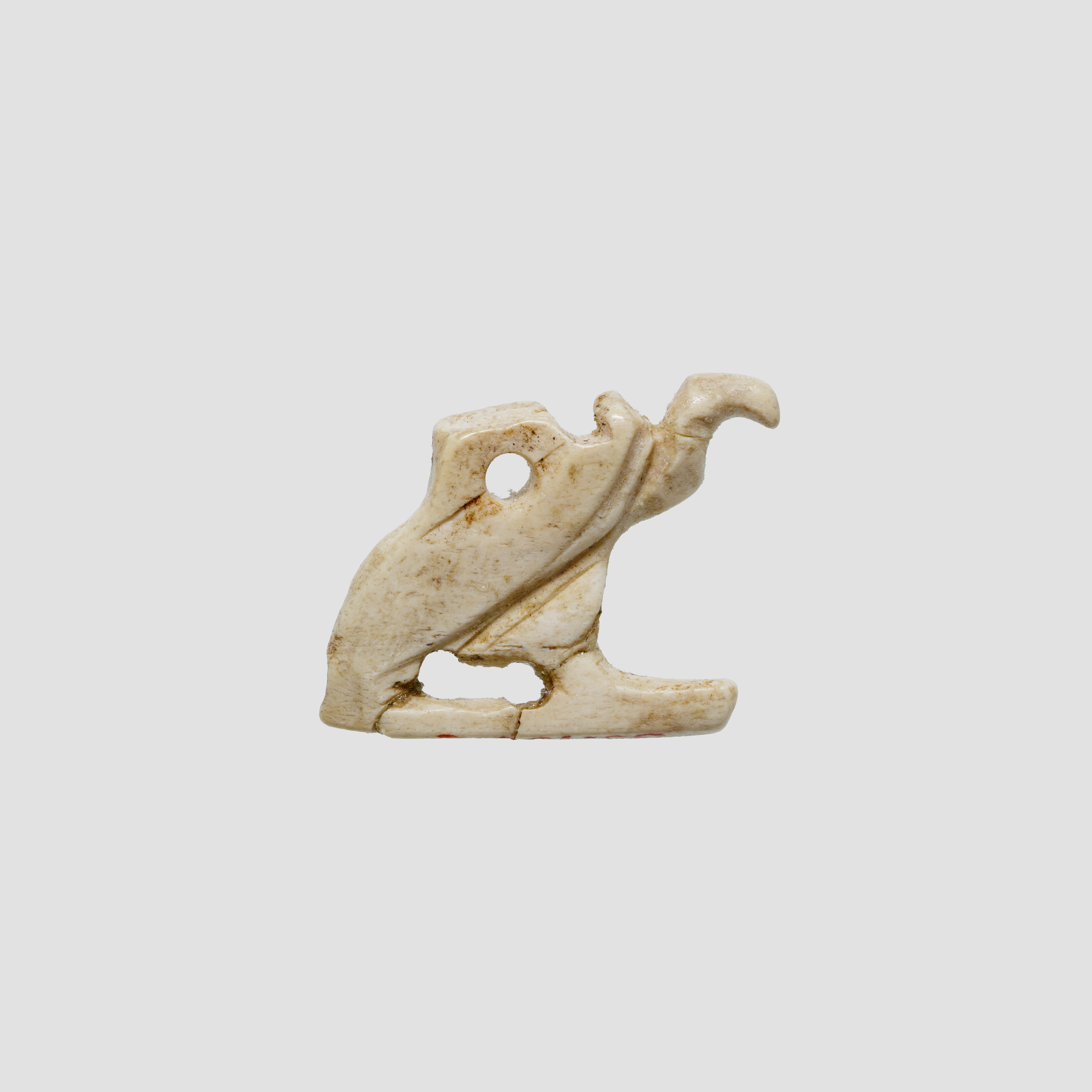
Heritage Analysis: The Vulture Amulet in Ancient Adornment and Its Strategic Relevance for Katherine Fashion Lab
As Lead Heritage Curator for Katherine Fashion Lab, I present this strategic standalone research paper on the vulture amulet, an artifact of profound symbolic power and historical significance. Originating from ancient civilizations, typically carved from ivory or bone, this amulet represents a nexus of spiritual meaning, social status, and artistic mastery. This analysis explores its cultural symbolism, historical adornment practices, spiritual dimensions, and proposes a 2026 high-end luxury strategy that leverages these insights for brand differentiation and narrative depth.
Symbolic Power of the Vulture Amulet
The vulture, in ancient civilizations, was not merely a scavenger but a potent symbol of protection, purification, and transition. In Egyptian, Mesopotamian, and Nubian cultures, the vulture was associated with maternal deities such as Nekhbet, the goddess of Upper Egypt, who was often depicted as a vulture or wearing a vulture headdress. This association imbued the vulture amulet with a dualistic power: it signified both fierce protection and nurturing care. The amulet was believed to shield the wearer from malevolent forces, guide the soul in the afterlife, and ensure rebirth. The use of ivory or bone—materials sourced from living creatures—further amplified this symbolism, as they were considered conduits of life force and ancestral energy. For Katherine Fashion Lab, this symbolic duality offers a rich narrative for a luxury brand that seeks to balance strength with elegance, and heritage with modernity.
Protection and Status in Ancient Societies
In ancient Egypt, vulture amulets were often placed on the mummy or worn by royalty and high-ranking priests. The amulet’s placement on the chest or neck area was intentional, as it was thought to protect the heart and lungs—organs vital for the afterlife journey. The material choice, ivory or bone, was reserved for the elite, as these materials required skilled craftsmanship and access to exotic resources. This exclusivity elevated the amulet from mere ornament to a marker of social hierarchy. For Katherine Fashion Lab, this historical context underscores the value of rarity and craftsmanship in luxury positioning. The vulture amulet’s role as a status symbol aligns with the brand’s potential to offer bespoke, limited-edition pieces that communicate both heritage and exclusivity.
Historical Adornment and Material Significance
The vulture amulet was typically carved with intricate detailing, depicting the bird in flight or with outstretched wings, often with symbolic motifs such as the ankh or the solar disk. Ivory and bone were chosen for their durability and ability to hold fine carvings, as well as their tactile warmth, which contrasted with the coldness of metal or stone. In ancient adornment practices, these amulets were strung on leather cords, gold chains, or linen threads, and worn as necklaces, pendants, or incorporated into headdresses. The choice of ivory or bone also carried ecological and ethical connotations in ancient times—materials were sourced from elephants, hippos, or large birds, reflecting the civilization’s connection to the natural world. For Katherine Fashion Lab, this material history invites a conversation about sustainable luxury. In 2026, the brand can reinterpret these materials using ethical alternatives such as fossilized ivory, vegetable ivory (tagua nut), or high-quality resin composites that mimic bone textures without harming wildlife. This approach respects the original symbolism while aligning with contemporary sustainability standards.
Craftsmanship and Artisanal Legacy
The creation of a vulture amulet required master carvers who understood both the material’s properties and the symbolic language of their culture. Each amulet was a unique piece, often commissioned for specific rituals or individuals. This artisanal legacy is directly transferable to Katherine Fashion Lab’s strategy: emphasizing handcrafted, made-to-order pieces that celebrate the skill of modern artisans. By collaborating with contemporary carvers and jewelers, the brand can produce amulets that honor ancient techniques while incorporating modern design sensibilities, such as minimalist settings or mixed-media elements like gold leaf or precious stones.
Spiritual Meaning and Ritual Use
Spiritually, the vulture amulet served as a talisman for transition—between life and death, earth and sky, the mortal and the divine. In funerary rituals, it was believed to help the deceased navigate the underworld, while in daily life, it warded off evil spirits and promoted fertility. The vulture’s ability to consume carrion and purify the environment made it a symbol of renewal and cleansing. This spiritual dimension resonates with modern luxury consumers who seek meaning beyond aesthetics. For Katherine Fashion Lab, the vulture amulet can be positioned as a “transition talisman”—a piece that empowers the wearer during life changes, career shifts, or personal transformations. This narrative taps into the growing trend of spiritual luxury, where high-end brands offer products that blend heritage with personal growth. The brand can develop a collection that includes amulets for specific intentions, such as protection, rebirth, or clarity, each with a unique design inspired by ancient motifs.
Ritualistic Engagement and Consumer Experience
To deepen the spiritual connection, Katherine Fashion Lab can create a ritualistic unboxing experience that mirrors ancient practices. For instance, each amulet could be accompanied by a hand-painted papyrus scroll or a digital guide explaining its historical and spiritual significance. The packaging might incorporate natural materials like linen or papyrus, evoking the tactile experience of ancient adornment. This approach not only educates the consumer but also positions the brand as a custodian of cultural heritage. In 2026, such experiential luxury is highly valued, as consumers increasingly seek products that offer emotional and intellectual engagement.
2026 High-End Luxury Strategy for Katherine Fashion Lab
Based on this heritage analysis, I propose a strategic framework for integrating the vulture amulet into Katherine Fashion Lab’s 2026 collection. The strategy focuses on three pillars: narrative depth, ethical craftsmanship, and experiential exclusivity.
Narrative Depth: The “Guardian of Transition” Collection
Position the vulture amulet as the centerpiece of a limited-edition collection titled “Guardian of Transition.” This collection will feature amulets in ethical ivory (fossilized or vegetable ivory) and bone-like composites, with 24-karat gold or sterling silver accents. Each piece will be accompanied by a storytelling card that details the amulet’s ancient origins, its symbolic meaning, and the specific ritual it was used for. The narrative should emphasize the amulet’s role as a protector and guide, appealing to modern consumers navigating life’s transitions. For example, a amulet designed for career changes could be linked to the vulture’s association with rebirth, while one for personal protection could reference the goddess Nekhbet.
Ethical Craftsmanship: Sustainable Sourcing and Artisan Collaboration
Katherine Fashion Lab will partner with ethical suppliers of fossilized ivory (mammoth tusk) and tagua nut, ensuring no harm to living animals. The brand will also collaborate with artisans from regions with a history of amulet carving, such as Egypt or Sudan, to create authentic designs. This partnership not only supports traditional crafts but also provides a compelling story of cultural preservation. Each amulet will be hand-carved and signed by the artisan, with a certificate of authenticity that traces the material’s origin. This level of transparency is critical for the 2026 luxury market, where consumers demand ethical accountability.
Experiential Exclusivity: Ritual Launch and Bespoke Services
To launch the collection, Katherine Fashion Lab will host a private event at a museum or gallery with Egyptian or Nubian artifacts, featuring a live demonstration of amulet carving. Attendees will receive a limited-edition vulture amulet as a gift, along with a personalized consultation on which amulet aligns with their life goals. The brand will also offer a bespoke amulet service, where clients can choose materials, symbols, and inscriptions to create a custom talisman. This service will be priced at a premium, reflecting the exclusivity and craftsmanship involved. Additionally, a digital component—such as an augmented reality app—can allow clients to visualize the amulet’s historical context or receive a daily affirmation linked to its symbolism.
Conclusion: Strategic Positioning for 2026
The vulture amulet offers Katherine Fashion Lab a unique opportunity to bridge ancient wisdom with modern luxury. By focusing on its symbolic power, historical adornment practices, and spiritual meaning, the brand can create a collection that resonates with discerning consumers seeking authenticity and depth. The 2026 strategy outlined here—rooted in narrative, ethics, and experience—positions Katherine Fashion Lab as a leader in heritage-driven luxury, capable of transforming an ancient talisman into a contemporary icon. This approach not only honors the past but also ensures the brand’s relevance in an evolving market where meaning matters as much as material.