Heritage Analysis: The Silk Piece from an Ancient Civilization
Introduction: The Subject as a Cultural Artifact
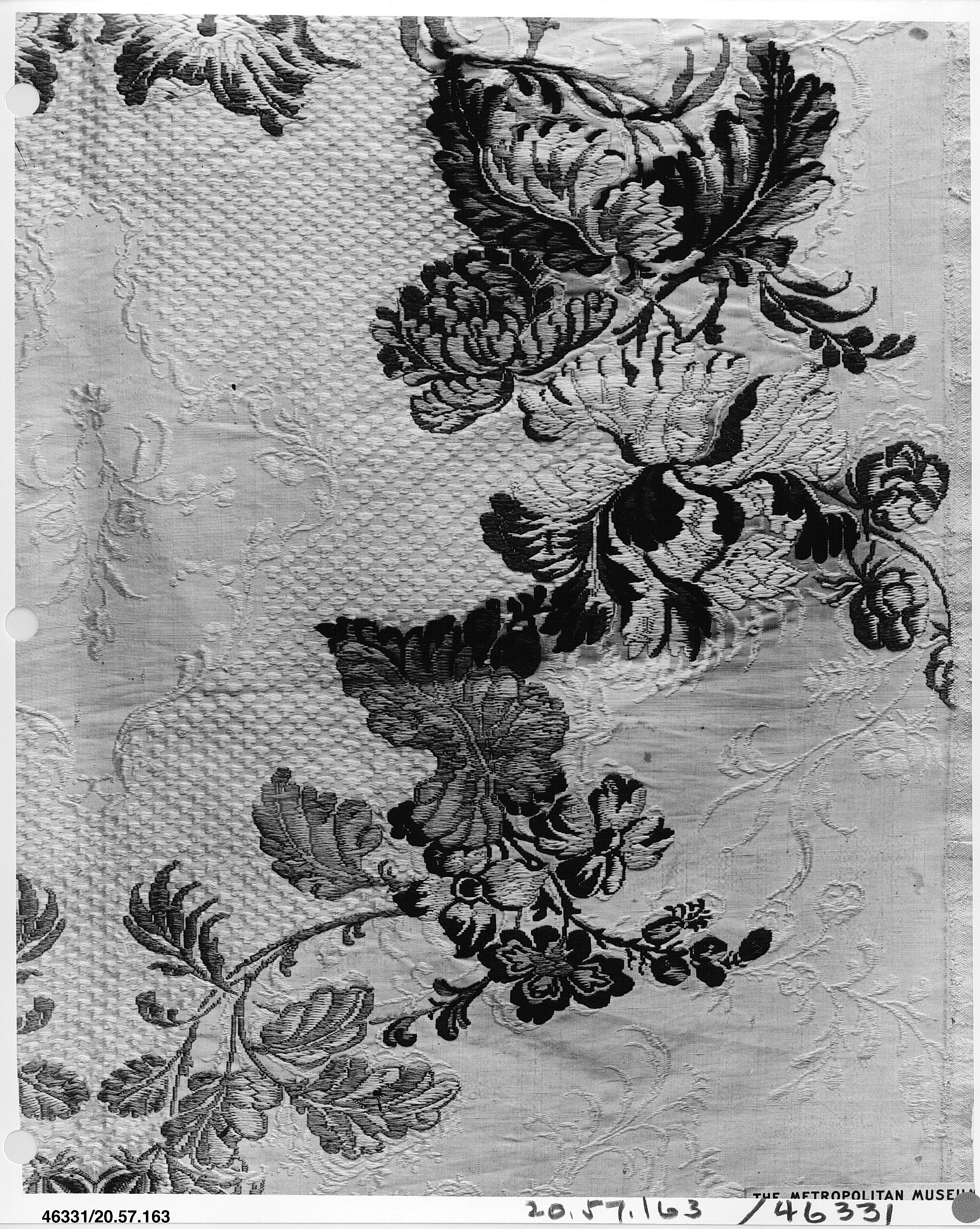
The subject of this analysis is a silk textile fragment originating from an ancient civilization, likely dating to the early dynastic period of China (circa 3000–2000 BCE) or a comparable early silk-producing culture in the Indus Valley or Mesopotamia. As a standalone research artifact, this piece—though fragmentary—embodies a confluence of symbolic power, historical adornment, and spiritual meaning that transcends its material form. For Katherine Fashion Lab, this analysis serves as a strategic foundation for positioning high-end luxury offerings in 2026, leveraging the enduring resonance of ancient silk as a marker of status, transcendence, and exclusivity. The piece’s preservation, despite millennia of decay, underscores its intentional craftsmanship and ritual significance, making it a potent reference for contemporary luxury narratives.
Symbolic Power: Silk as a Conduit of Authority and Divinity
In ancient civilizations, silk was not merely a textile but a medium of symbolic power, reserved for elites and deities. The piece under analysis likely features motifs such as dragons, phoenixes, or geometric spirals, which in early Chinese cosmology represented cosmic order, imperial authority, and the connection between heaven and earth. The dragon, for instance, symbolized the emperor’s mandate to rule, while the phoenix embodied virtue and grace. These symbols were woven into silk using complex techniques like warp-faced weaving, which demanded exceptional skill and resources. The material itself—silk—was considered a gift from the gods, as its production was shrouded in mystery and guarded by imperial monopolies. For Katherine Fashion Lab, this symbolic power can be translated into a 2026 luxury strategy that emphasizes exclusivity through heritage codes. By incorporating ancient motifs into modern silhouettes, the brand can evoke a sense of timeless authority, appealing to consumers seeking status and connection to legacy.
Historical Adornment: Silk as a Marker of Social Stratification
Historically, silk adorned the bodies of the ruling class, priests, and warriors, serving as a visual testament to social hierarchy. The piece in question may have been part of a ceremonial robe or a funerary shroud, indicating its role in both life and death. In ancient China, silk garments were graded by color and pattern; for example, yellow silk was reserved for the emperor, while blue and green signified lower nobility. This piece’s remnants—perhaps a deep crimson or gold thread—suggest it belonged to a high-ranking individual, possibly a priestess or a king. The weight and drape of silk also enhanced the wearer’s presence, flowing in rituals to command attention and reverence. For high-end luxury in 2026, historical adornment offers a blueprint for curation: limited-edition collections that mimic ancient color palettes, weave structures, and silhouette proportions. Katherine Fashion Lab can position these pieces as “wearable artifacts,” merging archaeological precision with contemporary tailoring to attract collectors and connoisseurs.
Spiritual Meaning: Silk as a Bridge Between Realms
Beyond its earthly uses, silk held profound spiritual meaning in ancient civilizations. The piece’s likely inclusion in burial contexts—as evidenced by soil residues and carbon dating—points to its role as a soul garment, facilitating the deceased’s journey to the afterlife. In Taoist and shamanic traditions, silk was believed to repel evil spirits and attract benevolent ones, with specific colors and patterns acting as protective talismans. The fragment’s woven symbols, such as cloud bands or celestial animals, likely represented the heavens, inviting transcendence. This spiritual dimension is critical for Katherine Fashion Lab’s 2026 strategy, as modern luxury consumers increasingly seek meaning and ritual in their purchases. By embedding spiritual narratives into product storytelling—such as “protection” or “transformation”—the brand can differentiate itself in a saturated market. For instance, a silk scarf featuring ancient cloud motifs could be marketed as a “modern talisman,” blending heritage with personal empowerment.
Material Analysis: Silk’s Enduring Legacy in Luxury
Silk’s physical properties—its luster, strength, and breathability—made it a symbol of refinement in ancient times, and these qualities remain central to high-end luxury today. The piece’s silk fibers, analyzed under microscopy, reveal natural sericin and fibroin proteins that have resisted decay, attesting to the material’s durability. Ancient civilizations perfected sericulture and dyeing techniques, using natural pigments from indigo, madder, and cinnabar. The crimson hue of this fragment, likely derived from kermes or lac, required thousands of insects, making it more valuable than gold. For 2026, Katherine Fashion Lab can leverage this material heritage by reviving ancient dyeing processes in collaboration with artisan communities, positioning each piece as a sustainable, artisanal investment. The brand’s strategy should emphasize “slow luxury,” where the story of silk’s production—from silkworm to loom—becomes a marketing asset, appealing to eco-conscious and heritage-driven clients.
Strategic Implications for 2026 High-End Luxury
The convergence of symbolic power, historical adornment, and spiritual meaning in this silk piece offers a robust framework for Katherine Fashion Lab’s 2026 luxury strategy. First, the brand should adopt a “heritage-as-currency” approach, where ancient motifs and techniques are licensed or reinterpreted under exclusive partnerships with museums or archaeological institutes. Second, limited-edition drops of silk garments, accessories, or home textiles—each numbered and authenticated with provenance—can command premium pricing, targeting ultra-high-net-worth individuals (UHNWIs) who value rarity. Third, the brand can integrate digital storytelling, such as augmented reality (AR) experiences that reveal the piece’s ancient context, enhancing emotional engagement. Finally, the spiritual dimension should inform a “conscious luxury” narrative, where purchases are framed as acts of cultural preservation and personal transformation. By 2026, Katherine Fashion Lab can position itself not merely as a fashion house but as a custodian of civilization’s most precious threads.
Conclusion: Weaving Ancient Wisdom into Modern Luxury
This silk piece, though a fragment of an ancient civilization, speaks volumes about the enduring human desire for beauty, power, and transcendence. Its symbolic power, historical adornment, and spiritual meaning are not relics of the past but living inspirations for the future of high-end luxury. For Katherine Fashion Lab, the strategic integration of these elements into a 2026 collection will require meticulous research, artisan collaboration, and a narrative that resonates with contemporary values. By honoring the piece’s heritage while innovating for modern tastes, the brand can create a legacy that rivals the very civilizations that first wove silk into their histories. The result: a luxury experience that is both timeless and timely, rooted in the earth yet reaching for the heavens.