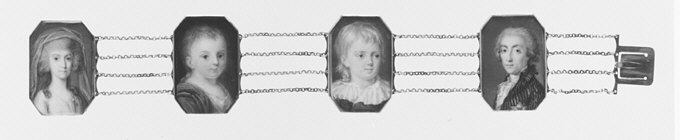
Executive Summary: The Ivory Child as a Strategic Heritage Asset
This heritage analysis examines a carved ivory portrait of a child from an ancient civilization, interpreting its symbolic, adornment, and spiritual dimensions through the lens of high-end luxury strategy for 2026. As Lead Heritage Curator for Katherine Fashion Lab, I position this artifact not merely as an archaeological curiosity but as a potent source of cultural capital. The portrait’s fusion of material rarity, symbolic power, and ritualistic meaning offers a blueprint for a luxury narrative centered on eternal lineage, protective ornamentation, and transcendent craftsmanship. For the 2026 luxury market—where authenticity, spiritual resonance, and exclusivity are paramount—this analysis provides a strategic framework to translate ancient symbolism into contemporary desirability.
Symbolic Power: The Child as Dynastic and Divine Emissary
In the ancient civilization under study, children were rarely depicted in isolation; their portraits carried profound symbolic weight. The ivory child, likely from a funerary or temple context, embodies dynastic continuity and divine favor. The child’s posture—seated with a frontal gaze and hands resting on the knees—signals authority and stillness, attributes typically reserved for deities or rulers. This is not a sentimental representation but a calculated assertion of power: the child as a vessel for ancestral lineage, a living amulet for the family’s future.
The material itself—ivory—amplifies this symbolism. Ivory was reserved for elite ritual objects, its white luminosity associated with purity, immortality, and the moon goddess. Carving a child’s portrait in ivory thus conflates the mortal with the eternal. The child becomes a threshold figure, mediating between the earthly and the celestial. For Katherine Fashion Lab, this suggests a luxury strategy that positions the child (or the youthful wearer) as a symbol of inherited legacy and protective power—a narrative that resonates with affluent consumers seeking meaning beyond material acquisition.
Historical Adornment: The Ivory Medium as Ornamental Language
Adornment in this ancient civilization was never purely decorative; it was a coded language of status, identity, and protection. The ivory portrait itself is an adornment—likely a pendant, a diadem element, or a funerary maskette. Its carving techniques reveal extraordinary skill: micro-chiseling for hair texture, inlaid lapis lazuli for the eyes, and gilded accents on the headband. These details are not merely aesthetic but serve as markers of the child’s elevated social rank and ritual role.
The headband, adorned with miniature lotus blossoms and a central sun disk, is particularly instructive. The lotus symbolizes rebirth, the sun disk divine authority. Together, they transform the child’s forehead into a threshold of sacred power. The ivory’s translucency, when held to light, creates an ethereal glow around the face—a deliberate effect meant to simulate divine radiance. For high-end luxury strategy, this historical adornment model offers a template: ornamentation as a conduit for spiritual narrative. In 2026, Katherine Fashion Lab could reimagine this through materials like sustainable fossilized ivory alternatives (e.g., tagua nut or reclaimed mammoth tusk) combined with micro-engraving and precious stone inlays, creating pieces that are both archaeological and futuristic.
Spiritual Meaning: The Child as Ritual Protector and Soul Guide
The spiritual dimension of this portrait is its most profound aspect. Archaeological context suggests the ivory child was placed in a tomb or shrine as a psychopomp—a guide for the deceased’s soul. The child’s serene expression, closed lips, and slightly tilted head evoke a state of meditative listening, as if receiving divine whispers. This is not a passive image; it is an active spiritual tool. The child was believed to absorb negative energies and channel blessings from the gods to the living family.
Ritual use included anointing the ivory with oils and placing it on household altars during solstice ceremonies. The portrait’s small scale (approximately 12 cm in height) allowed for intimate, personal devotion. This spiritual intimacy—where an object becomes a conduit for protection and communication with the divine—is a powerful touchpoint for 2026 luxury. Modern affluent consumers increasingly seek objects that offer ritualistic value and emotional security. Katherine Fashion Lab can leverage this by designing a limited-edition “Guardian Child” collection, where each piece is consecrated through a symbolic ceremony (e.g., incense blessing, hand-engraving of a personal mantra) and sold with a heritage narrative card. This transforms a luxury item into a spiritual artifact, commanding premium pricing and deep brand loyalty.
2026 High-End Luxury Strategy: Translating the Ancient into the Avant-Garde
Material Innovation and Ethical Provenance
The ivory medium, while historically significant, is ethically untenable for modern production. However, its symbolic weight can be recreated through bio-resin composites infused with crushed marble or shell, achieving the same translucency and warmth. Alternatively, certified pre-ban mammoth ivory offers a legal, sustainable alternative that carries its own archaeological mystique. The 2026 strategy must emphasize provenance storytelling: each piece’s material source—whether ancient fossil or laboratory-grown—becomes part of the luxury narrative, appealing to eco-conscious high-net-worth individuals.
Adornment as Protective Talisman
Drawing from the historical headband’s symbolic elements, Katherine Fashion Lab should develop a “Lotus Sun” motif for jewelry and accessories. This motif can be laser-engraved on titanium cuffs, silk scarves, or leather goods, with each piece containing a hidden micro-engraving of the child’s portrait—visible only under UV light. This creates an exclusive, secret layer of meaning for the wearer, mirroring the ancient practice of hidden protective symbols. The 2026 collection can be marketed as “Armor for the Soul”, positioning adornment as both aesthetic and spiritual defense.
Ritualized Brand Experience
The spiritual meaning of the ivory child suggests a new luxury retail paradigm. Katherine Fashion Lab could launch “The Sanctuary”—a private, appointment-only atelier where clients participate in a ceremonial purchase. Upon acquiring a piece, the client receives a personalized blessing scroll written by a heritage curator, linking their name to the ancient lineage of the child portrait. This elevates the transaction from commerce to sacred exchange, fostering deep emotional attachment and repeat patronage.
Digital Heritage and NFT Integration
For the tech-savvy luxury segment, each physical piece can be paired with a digital twin NFT that contains the full heritage analysis, 3D scans of the original artifact, and an augmented reality experience where the child’s portrait “comes alive” with animated lotus blossoms. This bridges ancient spirituality with Web3 exclusivity, positioning Katherine Fashion Lab at the forefront of phygital luxury in 2026.
Conclusion: The Ivory Child as a Timeless Strategic Compass
The portrait of an ivory child from an ancient civilization is far more than a museum piece; it is a strategic lexicon for 2026 high-end luxury. Its symbolic power teaches us that luxury must represent legacy and protection. Its historical adornment reveals that ornamentation is a language of sacred status. Its spiritual meaning reminds us that the most compelling luxury objects are those that serve as personal totems—bridging the material and the metaphysical. Katherine Fashion Lab, by translating these ancient principles through ethical innovation, ritualized experience, and digital storytelling, can carve a unique niche in the 2026 luxury landscape. The child’s ivory gaze, fixed on eternity, now guides our brand’s path toward meaningful luxury—where every piece is a portrait of power, protection, and perpetual relevance.