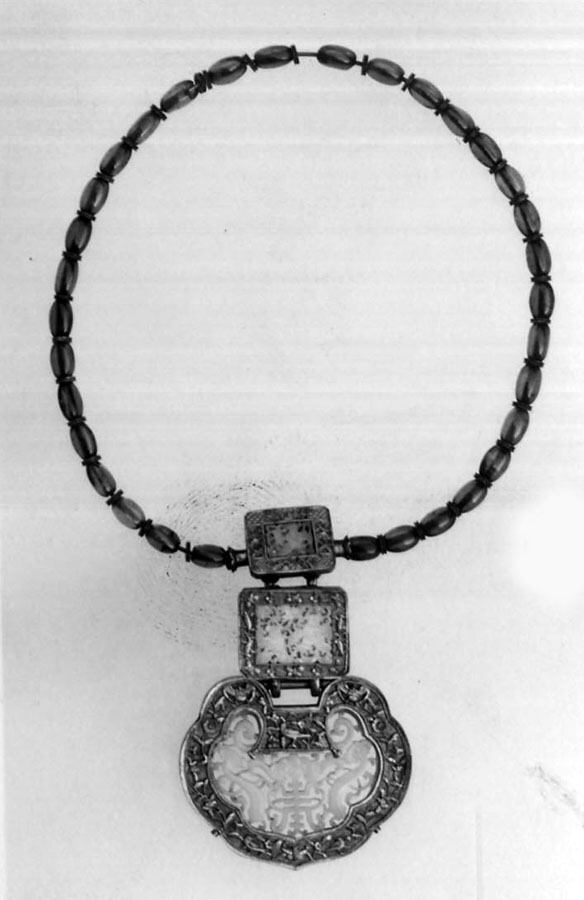
Heritage Analysis: Tibetan Amber, Jade, and Silver Necklace
Introduction: The Artifact as a Strategic Asset
Within the archives of Katherine Fashion Lab, the Tibetan necklace composed of amber, jade, and silver emerges not merely as an ornament but as a repository of layered cultural intelligence. This analysis, framed as Strategic Standalone Research, examines the object’s symbolic power, historical adornment practices, spiritual underpinnings, and its potential to inform a high-end luxury strategy for 2026. The necklace, worn by Tibetan nomads and nobility alike, embodies a confluence of material rarity and metaphysical significance that modern luxury brands seek to emulate. By deconstructing its heritage, we identify actionable insights for positioning, storytelling, and material curation in an era defined by authenticity and transcendence.
Symbolic Power: Amber, Jade, and Silver as Hieroglyphs of Status and Protection
In Tibetan culture, the necklace’s components are not decorative but semiotic. Amber, often fossilized tree resin from the Himalayan region, was prized above gold in certain periods. Its warm, translucent hues were believed to trap sunlight, offering a talismanic shield against malevolent spirits and physical harm. The Tibetans associated amber with the earth’s life force, and wearing it signified a connection to ancestral lineage and natural cycles. Jade, though more commonly linked to Chinese traditions, held parallel significance in Tibetan contexts as a stone of purity and endurance. It symbolized the wearer’s moral integrity and was often passed through generations as a heirloom of unbroken virtue. Silver, the metallic thread binding these stones, represented lunar energy and purification. In Tibetan Buddhism, silver was used in ritual implements to reflect negative energy away from the body. Together, these materials formed a triadic emblem of protection, virtue, and spiritual clarity. For the 2026 luxury consumer, this symbolism offers a narrative of resilience and inner strength—qualities increasingly sought in a volatile world. A modern interpretation could frame amber as “frozen fire,” jade as “eternal fidelity,” and silver as “lunar armor,” creating a lexicon of empowerment that transcends mere aesthetics.
Historical Adornment: The Necklace as a Social and Economic Archive
Historically, the Tibetan necklace was a marker of both identity and economy. Nomadic communities, who lacked fixed wealth in land, invested their resources in portable adornments. The size, number, and quality of amber beads directly correlated with a family’s status and trade networks. Larger, unblemished amber pieces indicated access to rare materials from the Baltic Sea via ancient Silk Road exchanges, while jade signified connections to Central Asian markets. Silver, often mined locally or traded from Nepal, was crafted by master silversmiths using repoussé techniques that required months of labor. This necklace was not worn daily but reserved for festivals, weddings, and religious ceremonies, where it served as a visual resume of one’s social capital. The act of wearing it was performative—a public declaration of lineage, wealth, and piety. For Katherine Fashion Lab, this historical context underscores the importance of material provenance and artisanal narrative as luxury differentiators. A 2026 strategy could replicate this by offering limited-edition pieces with documented sourcing, such as certified Baltic amber and ethically mined jade, paired with storytelling that traces each stone’s journey from earth to adornment. The necklace’s historical role as a portable asset also resonates with contemporary trends in investment jewelry, where consumers view high-end pieces as alternative stores of value.
Spiritual Meaning: The Necklace as a Meditative and Ritual Object
Beyond social display, the Tibetan necklace functioned as a spiritual tool. In Vajrayana Buddhism, the number and arrangement of beads often mirrored mala prayer beads, with 108 beads representing the 108 defilements to be overcome. Amber, in particular, was believed to absorb negative karma, while jade facilitated meditative focus. Silver was used as a grounding element, anchoring the wearer to the present moment during rituals. The necklace was frequently blessed by lamas before use, transforming it into a dharma object imbued with mantric energy. This spiritual dimension elevates the necklace from commodity to sacrament—a quality that luxury brands now seek to replicate through concepts of “intentional design.” For 2026, Katherine Fashion Lab could integrate subtle spiritual cues into the necklace’s design, such as incorporating hidden symbols (e.g., the endless knot or vajra) on the clasp or interior of the pendant. Marketing materials should emphasize the piece as a tool for mindfulness, not just adornment. Collaborations with contemporary Buddhist scholars or meditation practitioners could lend credibility, while packaging might include a ritual card explaining how to “activate” the necklace through intention-setting. This approach positions the product within the growing wellness-luxury crossover, where consumers pay premiums for objects that promise inner transformation.
2026 High-End Luxury Strategy: Translating Heritage into Contemporary Currency
To leverage this heritage for 2026, Katherine Fashion Lab must adopt a three-pillar strategy: Material Authenticity, Narrative Depth, and Experiential Curation.
Material Authenticity requires sourcing amber from certified ethical mines in the Baltic region, jade from Myanmar with traceability documentation, and silver from recycled or Fairmined sources. Each piece should include a digital passport using blockchain technology, allowing the owner to verify the stone’s origin, age, and blessing history. This transparency aligns with Gen Z and Alpha consumers’ demand for radical honesty in luxury.
Narrative Depth involves creating a multi-layered story that moves beyond exoticism. The necklace should be positioned not as “Tibetan-inspired” but as a direct continuation of a living tradition. Collaborate with Tibetan artisan cooperatives to produce the pieces, with a percentage of proceeds funding cultural preservation programs. The campaign tagline could be “Wear a Legacy, Protect a Lineage,” appealing to the conscience-driven luxury buyer.
Experiential Curation extends the product into a holistic brand encounter. Each necklace could be sold with a private virtual consultation with a Tibetan cultural historian, who explains the piece’s symbolism and proper wearing rituals. Limited pop-up events in key markets (New York, Shanghai, Dubai) could feature Tibetan sand mandala artists and sound healers, transforming the purchase into a sensory pilgrimage. For the ultra-high-net-worth segment, offer a “Heritage Immersion” trip to the Tibetan plateau, where buyers can meet the artisans and participate in a blessing ceremony at a monastery.
Pricing should reflect the artifact’s rarity and cultural weight. A standard piece might retail at $8,000–$15,000, while a museum-grade necklace with documented provenance and rare amber inclusions could command $50,000–$100,000. This tiered approach mirrors the historical stratification of Tibetan adornment, where the same form served both commoners and aristocrats.
Conclusion: The Necklace as a Blueprint for Sacred Luxury
The Tibetan amber, jade, and silver necklace offers Katherine Fashion Lab a blueprint for a luxury strategy rooted in symbolic power, historical depth, and spiritual resonance. By honoring its origins as a protective talisman, social archive, and ritual object, the brand can create a product that satisfies the 2026 consumer’s hunger for meaning, authenticity, and transformation. This is not cultural appropriation but cultural stewardship—a model where heritage is not extracted but amplified, ensuring the necklace’s power endures for generations to come.