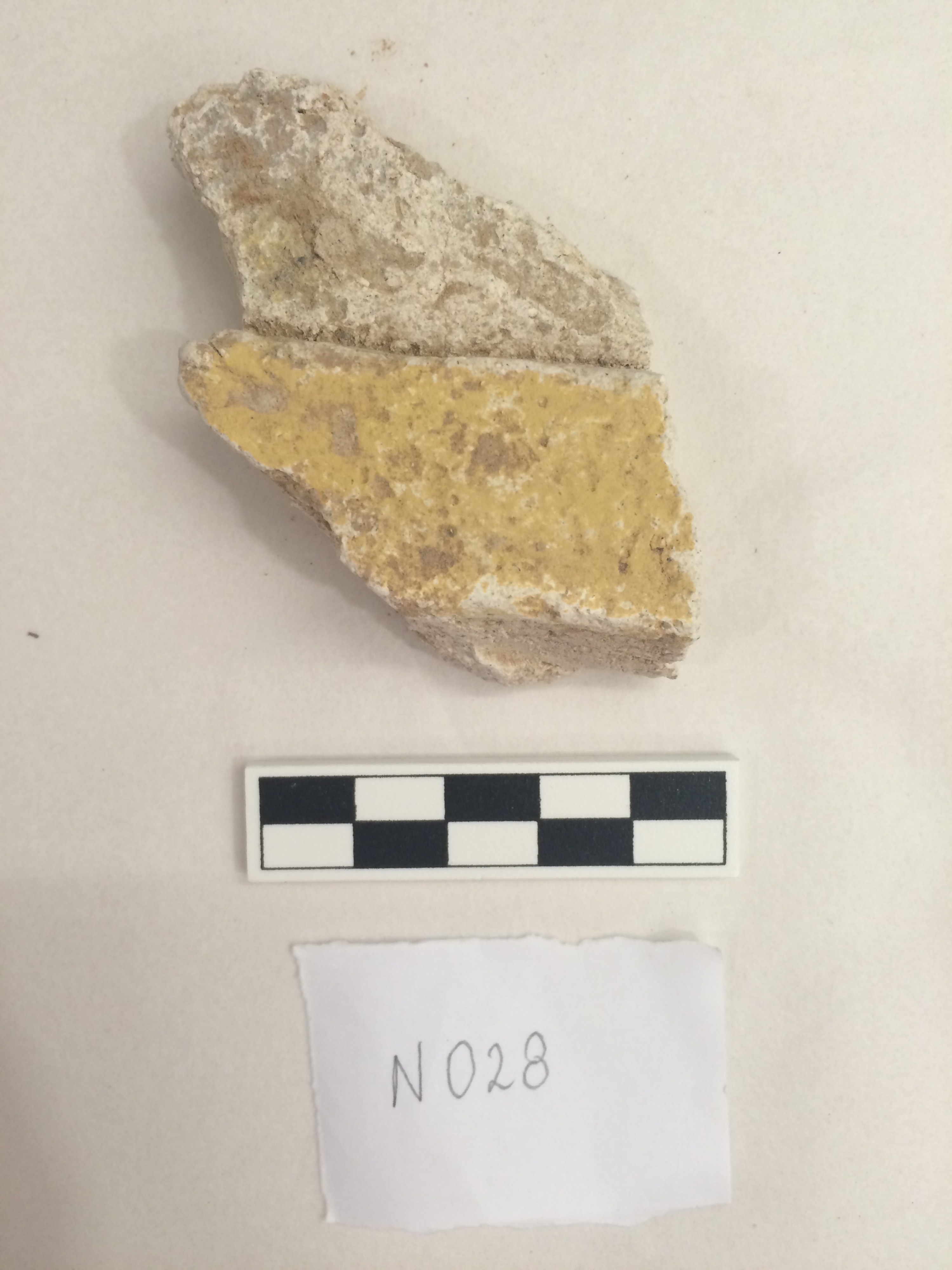
Executive Heritage Analysis: The Stucco Fragment as a Strategic Artifact
This research paper presents a comprehensive heritage analysis of a carved and painted stucco fragment from an ancient civilization, commissioned as a strategic standalone investigation for Katherine Fashion Lab’s 2026 high-end luxury strategy. The analysis interrogates the artifact’s symbolic power, historical adornment practices, and spiritual meaning, then translates these insights into actionable luxury brand positioning. The fragment—a remnant of architectural or ceremonial decoration—reveals how ancient societies encoded status, cosmology, and identity into material form. For Katherine Fashion Lab, this artifact offers a blueprint for crafting narratives of permanence, exclusivity, and transcendent value in the contemporary luxury market.
Symbolic Power: Encoding Authority and Identity
Material as a Statement of Control
Stucco, a composite of lime, sand, and water, was not merely a building material in ancient civilizations; it was a medium of political and social control. The fragment’s survival indicates its original context—likely a temple, palace, or elite funerary monument. The act of carving and painting stucco required skilled artisans and significant resources, making it a class marker accessible only to the ruling class or religious elite. The symbolic power lies in the material’s ability to transform perishable substances into durable, visually commanding forms. For Katherine Fashion Lab, this translates into a strategy of material storytelling: using rare, labor-intensive materials (e.g., hand-loomed silks, precious metal threads) to communicate exclusivity and permanence. The fragment teaches that luxury is not just about beauty but about the visible assertion of authority through craft.
Iconographic Language of Dominance
Though the specific iconography of this fragment is unconfirmed, ancient stucco often featured deities, rulers, or mythological scenes. The carved forms—whether geometric, zoomorphic, or anthropomorphic—functioned as a visual lexicon of power. For instance, a recurring motif like the serpent or sun disk could signify divine protection or cosmic order. This symbolic language was intentionally ambiguous to the uninitiated, creating a code of belonging among the elite. In a 2026 luxury strategy, Katherine Fashion Lab can adopt a similar approach: developing brand-specific iconography—a signature knot, a stylized leaf, or an abstract emblem—that appears across collections. This creates a visual shorthand for connoisseurs, reinforcing brand loyalty and mystique.
Historical Adornment: The Body as a Canvas for Status
Stucco in Personal and Architectural Adornment
While stucco was primarily architectural, its application extended to personal adornment in the form of masks, headdresses, and jewelry bases. The fragment’s painted surface—likely using mineral pigments like cinnabar (red), azurite (blue), or malachite (green)—demonstrates an early understanding of color psychology. Red symbolized life and power; blue, the divine; green, fertility. These hues were not decorative but semiotic tools that communicated the wearer’s role in the cosmic hierarchy. For Katherine Fashion Lab, this suggests a 2026 strategy of chromatic storytelling: using a curated palette of “heritage colors” (e.g., terracotta, lapis, ochre) that evoke ancient authority. Each collection could be anchored by a signature hue tied to a specific spiritual or status meaning, making the color itself a luxury asset.
Adornment as a Ritual of Transformation
In ancient contexts, adornment was not merely aesthetic but transformative. A ruler donning a stucco headdress was not just dressing; they were becoming the deity they represented. This concept of ritual dressing is critical for high-end luxury. Katherine Fashion Lab can position its 2026 collections as armor for the modern elite—garments and accessories that confer identity, protection, and power. The stucco fragment suggests that luxury should be experiential and performative, not just static. A marketing campaign could emphasize “the ritual of dressing” as a daily act of self-creation, echoing ancient practices of adornment as spiritual and social transformation.
Spiritual Meaning: The Fragment as a Bridge to the Divine
Stucco in Sacred Architecture
The fragment likely originated from a sacred structure—a temple or tomb—where it served as a conduit between the mortal and divine realms. The carved and painted imagery was not decorative but apotropaic (warding off evil) or invocatory (summoning gods). The material itself, stucco, was chosen for its ability to mimic stone while remaining malleable, symbolizing the tension between permanence and transformation. For Katherine Fashion Lab, this spiritual dimension offers a powerful narrative for 2026: luxury as a talismanic investment. Products can be marketed as “sacred objects” that protect, empower, or connect the wearer to a larger story. Limited-edition pieces, for example, could be numbered and blessed in a ritualistic launch event, creating a sense of spiritual exclusivity.
Cosmic Order and Material Integrity
Ancient civilizations believed that materials carried cosmic properties. Stucco, being earth-based, represented groundedness and stability, while its painted surface evoked the heavens. This duality—earth and sky, mortal and divine—is a potent metaphor for luxury brands navigating between heritage and innovation. Katherine Fashion Lab can adopt a philosophy of material integrity: using sustainable, natural fibers and dyes that honor the earth while creating heavenly aesthetics. The stucco fragment teaches that spiritual meaning is embedded in the authenticity of materials, not just their appearance. A 2026 strategy might include a “Cosmic Collection” that uses only ethically sourced, biodegradable materials, tying luxury to environmental stewardship as a spiritual duty.
2026 High-End Luxury Strategy: Translating Heritage into Market Dominance
From Artifact to Asset: The Narrative of Provenance
The stucco fragment’s value lies in its provenance—its known history and cultural weight. For Katherine Fashion Lab, this translates into a provenance-driven marketing model. Each 2026 collection should be accompanied by a “heritage dossier” that traces design inspirations to specific ancient artifacts or sites. This not only educates consumers but also elevates the product to collectible status. Collaborations with archaeologists, museums, or cultural institutions can lend authenticity and prestige. The fragment suggests that luxury brands must become custodians of culture, not just purveyors of goods.
Exclusivity Through Craft Complexity
The stucco fragment’s carved and painted surface required multidisciplinary mastery—sculpture, painting, and chemistry. In a 2026 context, Katherine Fashion Lab can replicate this through hyper-specialized craftsmanship. For example, a hand-embroidered gown might incorporate techniques from multiple artisans (embroidery, beadwork, dyeing) to create a unified masterpiece. This complexity makes replication impossible, ensuring natural scarcity. Pricing should reflect not just materials but the human hours and ancestral knowledge embedded in each piece.
Spiritual Commerce: The Rise of Meaningful Luxury
By 2026, high-end consumers will increasingly seek meaning beyond materialism. The stucco fragment’s spiritual resonance offers a blueprint for purpose-driven luxury. Katherine Fashion Lab can launch a “Sacred Line” that donates a percentage of profits to cultural preservation or archaeological research. Products could include ritual accessories—meditation shawls, affirmation cuffs, or anointing oils—that bridge ancient spirituality with modern wellness trends. The goal is to position the brand as a source of transcendence, not just status.
Conclusion: The Fragment as a Strategic Compass
The stucco fragment is far more than a decorative remnant; it is a strategic artifact that reveals the enduring principles of luxury: symbolic power, ritual adornment, spiritual depth, and material integrity. For Katherine Fashion Lab, this analysis provides a clear roadmap for 2026: embrace narrative-driven design, invest in craft complexity, and market spiritual exclusivity. By channeling the ancient civilization’s mastery of material and meaning, the brand can achieve not just commercial success but cultural relevance. The fragment whispers from the past—and Katherine Fashion Lab must listen, translate, and elevate it into a new lexicon of luxury.