Heritage Analysis: The Fragment as a Portal to Power and Prestige
Introduction: The Fragment as a Strategic Artifact
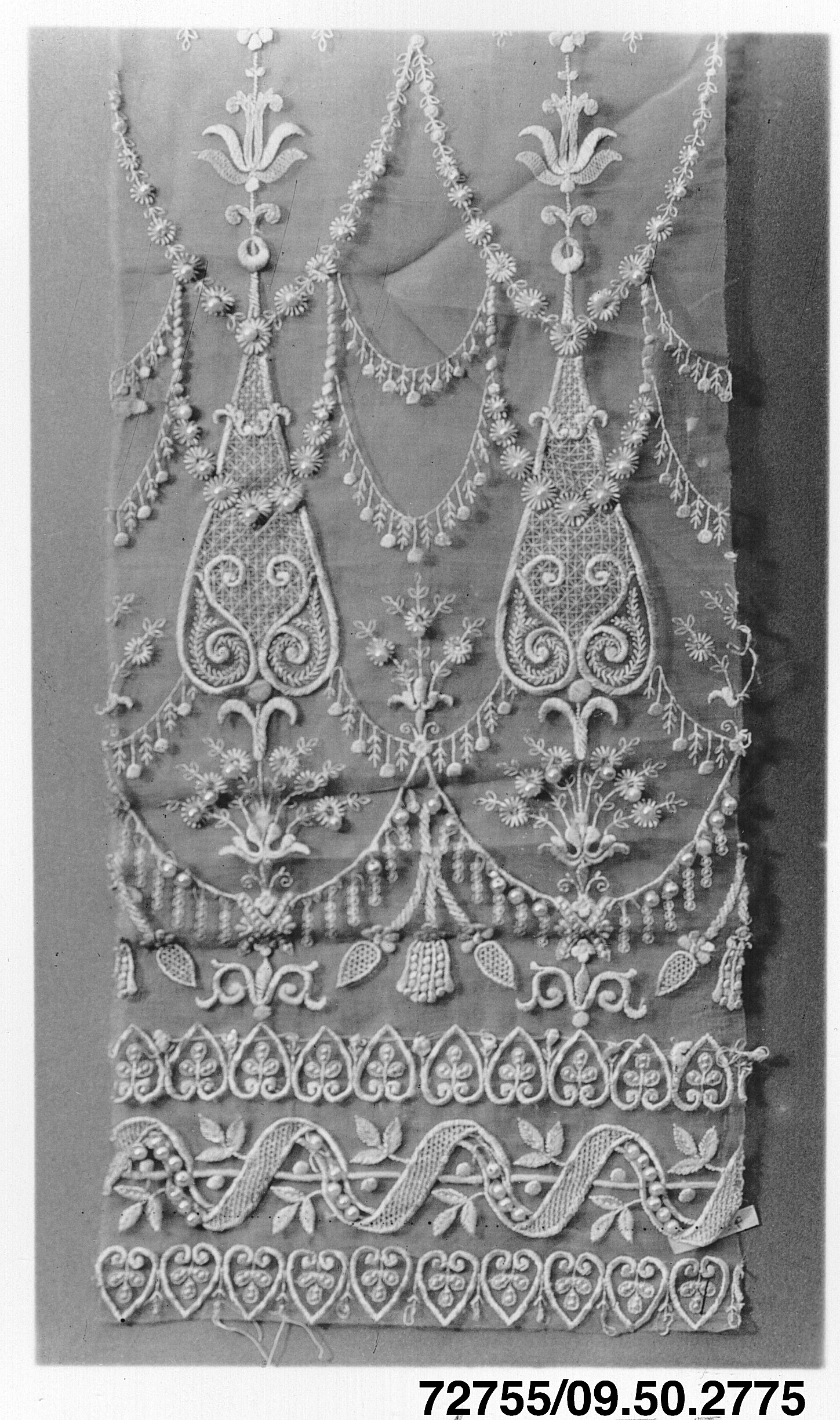
The fragment, by its very nature, is a paradox. It is both a remnant of a whole and a complete entity of profound symbolic power. For Katherine Fashion Lab, the study of an ancient fragment—crafted from silk and wool—offers a unique lens through which to understand the intersection of historical adornment, spiritual meaning, and contemporary luxury strategy. This analysis treats the fragment not as a damaged object, but as a deliberate, potent symbol of endurance and exclusivity. In the context of a 2026 high-end luxury strategy, the fragment becomes a narrative tool, a tactile connection to a lost world, and a statement of authenticity that resonates deeply with the discerning consumer seeking meaning beyond materiality.
Symbolic Power: The Fragment as a Signifier of Survival
In ancient civilizations, silk and wool were not merely materials; they were conduits of status and divine connection. Silk, often reserved for royalty and religious rites in cultures such as Han China or later Byzantine courts, symbolized purity, wealth, and celestial authority. Wool, by contrast, grounded the wearer in earthly vitality, warmth, and communal identity. The combination of these two fibers in a single fragment suggests a deliberate fusion of the ethereal and the terrestrial—a textile that mediated between the mortal and the immortal.
The very act of fragmentation amplifies this symbolic power. A broken piece, when preserved, becomes a relic. It carries the weight of history, the memory of a body that once wore it, and the rituals it once adorned. For the ancient elite, such fragments were often imbued with apotropaic properties—warding off evil, attracting favor, or marking rites of passage. In a strategic context, Katherine Fashion Lab can harness this symbolism by positioning the fragment as a token of resilience. The incomplete becomes a statement of authenticity, suggesting that true luxury is not about perfection but about provenance and the story of survival against time.
Historical Adornment: The Fragment as a Marker of Identity
Adornment in ancient civilizations was a language of power. The fragment in question, likely part of a garment, a shroud, or a ceremonial wrap, would have been worn by individuals of high social standing. The weave of silk and wool—a technical achievement in ancient textile production—indicates a society that valued both comfort and display. Silk’s luster caught light, signaling wealth and access to trade routes; wool’s durability signified practicality and connection to pastoral traditions. Together, they formed a textile that was both luxurious and functional, ideal for rituals that demanded both opulence and endurance.
The fragment’s pattern or color, if discernible, would have carried additional meaning. For instance, in pre-Columbian Andean cultures, textiles were often woven with symbolic motifs representing cosmological beliefs, lineage, and social rank. In ancient Egypt, linen was prized for its purity, but silk and wool were later adopted in Greco-Roman periods as markers of exotic influence. The fragment thus becomes a microcosm of cross-cultural exchange—a testament to how adornment was used to negotiate identity, power, and spiritual allegiance.
From a heritage perspective, Katherine Fashion Lab can leverage this historical context to create a narrative of cultural fluency. By referencing the fragment’s origins, the brand can position itself as a curator of global histories, offering clients not just a garment but a piece of human legacy. This aligns with the growing demand for luxury that is informed, ethical, and intellectually stimulating.
Spiritual Meaning: The Fragment as a Sacred Object
Spirituality in ancient civilizations was deeply interwoven with material culture. Textiles were often used in funerary practices, temple offerings, and rites of passage. A fragment of silk and wool might have been part of a ritual garment worn by a priestess or a shaman, believed to channel divine energy. The combination of fibers—silk, associated with the silkworm’s metamorphosis, and wool, linked to sacrifice and warmth—suggests a duality of life and death, transformation and continuity.
The fragment’s state of incompleteness further enhances its spiritual resonance. In many ancient belief systems, the broken or the partial was not seen as lesser but as a vessel for the sacred. For example, in Japanese Shinto, fragments of sacred objects are often enshrined as objects of veneration. Similarly, in ancient Greek mystery cults, fragments of garments were kept as talismans. The fragment thus becomes a threshold object—a bridge between the visible and the invisible, the past and the present.
For Katherine Fashion Lab, this spiritual dimension offers a powerful strategic opportunity. In 2026, the luxury consumer is increasingly seeking meaning and mindfulness. By framing the fragment as a sacred artifact—a piece of a larger spiritual narrative—the brand can appeal to the desire for transcendence. Limited-edition collections inspired by the fragment could be marketed as “relics,” each piece carrying a unique energy and story. This approach elevates the product from a commodity to a talisman, fostering deep emotional attachment and brand loyalty.
2026 High-End Luxury Strategy: The Fragment as a Blueprint for Exclusivity
The fragment’s strategic value for Katherine Fashion Lab in 2026 lies in its ability to embody three core pillars of modern luxury: rarity, narrative, and craftsmanship. The fragment is, by definition, one-of-a-kind. No two fragments are identical, and each carries a unique history of wear, tear, and preservation. This aligns perfectly with the luxury market’s shift toward hyper-personalization and bespoke offerings.
Rarity: The fragment cannot be mass-produced. Its value lies in its scarcity. Katherine Fashion Lab can translate this into a strategy of limited drops, each inspired by a different ancient civilization. For example, a “Silk and Wool Fragment” collection could feature garments that mimic the weave, color palette, and symbolic motifs of the original artifact, but with contemporary silhouettes. Each piece would be numbered and accompanied by a certificate of provenance, reinforcing its status as a collectible.
Narrative: The fragment tells a story of loss, discovery, and preservation. In a world saturated with digital noise, consumers crave authentic narratives. Katherine Fashion Lab can create immersive brand experiences—such as virtual exhibitions, archaeological collaborations, or documentary-style content—that trace the fragment’s journey from ancient hands to modern wardrobes. This narrative depth transforms the purchase into an act of cultural preservation, appealing to the conscience of the affluent consumer.
Craftsmanship: The fragment’s construction—silk and wool woven together—represents a technical mastery that is rare today. By partnering with artisanal weavers and heritage textile institutes, Katherine Fashion Lab can revive ancient techniques while innovating with sustainable practices. This not only honors the fragment’s origin but also positions the brand as a guardian of endangered crafts. In 2026, where sustainability is no longer optional but expected, such craftsmanship becomes a key differentiator.
Finally, the fragment’s spiritual meaning can be leveraged through ritualized retail. Imagine a flagship store where clients participate in a private ceremony—lighting incense, handling a replica fragment, or receiving a blessing—before acquiring their piece. This transforms shopping into a pilgrimage, aligning with the luxury consumer’s search for authenticity and transcendence.
Conclusion: The Fragment as a Strategic Imperative
The fragment is not a remnant; it is a revelation. For Katherine Fashion Lab, it offers a blueprint for a luxury strategy that is both historically grounded and forward-looking. By embracing the symbolic power, historical adornment, and spiritual meaning of this ancient textile, the brand can create offerings that resonate on a deeply human level. In 2026, the luxury market will be defined by those who can tell the richest stories and offer the most meaningful experiences. The fragment, with its gaps and scars, reminds us that true luxury is not about perfection but about the enduring power of what remains.