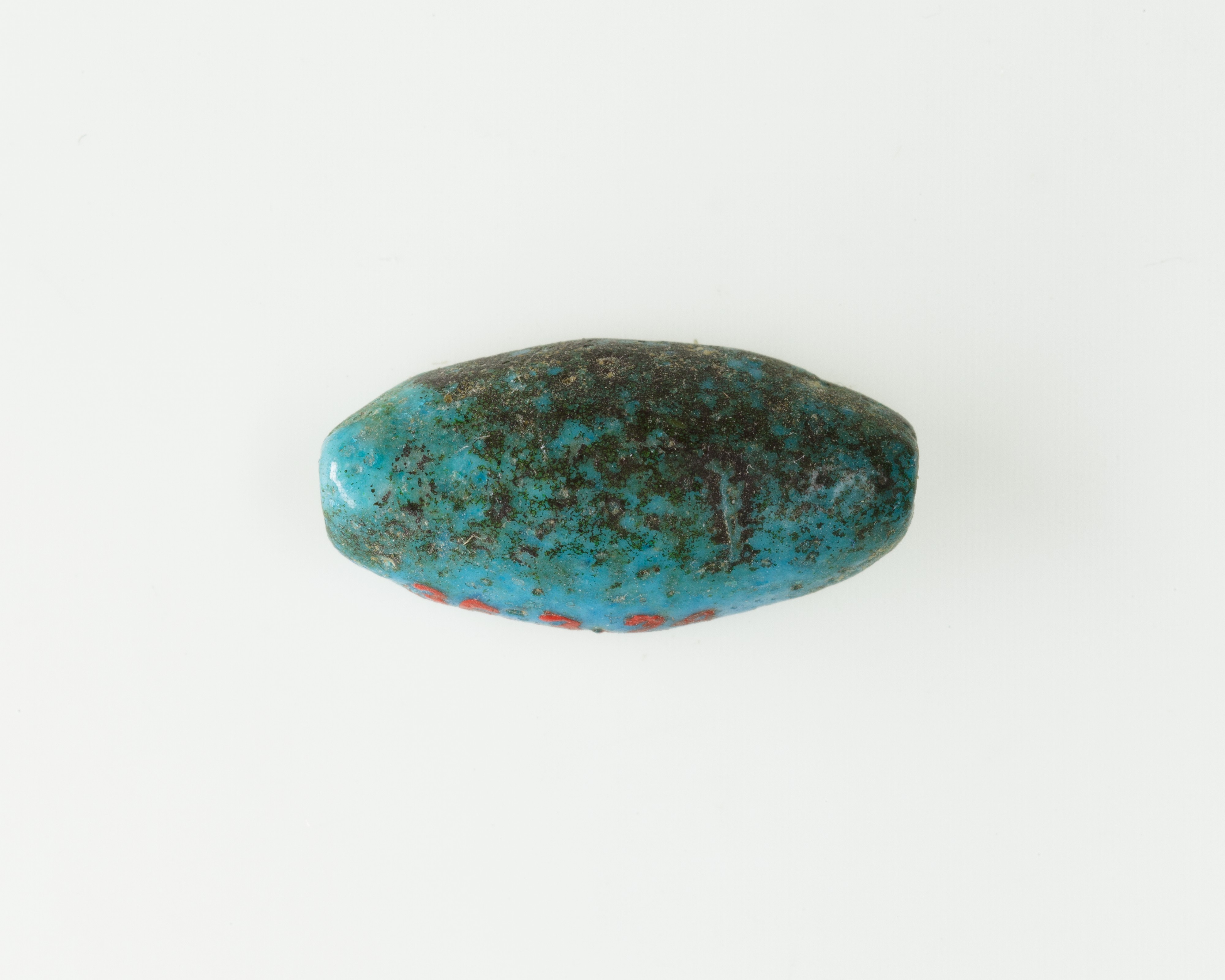
Heritage Analysis: The Cowroid in Faience
As Lead Heritage Curator for Katherine Fashion Lab, I present this strategic standalone research on the cowroid, a distinctive amuletic form from ancient civilization, executed in faience. This analysis examines its symbolic power, historical role in adornment, and spiritual meaning, culminating in a 2026 high-end luxury strategy that leverages these profound heritage assets. The cowroid, a fusion of cowrie shell and scarab beetle iconography, represents a sophisticated synthesis of fertility, protection, and regeneration—qualities that resonate deeply with contemporary luxury narratives of authenticity, transcendence, and personal power.
Symbolic Power: The Cowroid as a Composite Icon
The cowroid derives its name from its hybrid form, combining the convex, slit-like shape of the cowrie shell with the dorsal markings and symbolic resonance of the scarab beetle. In ancient Egyptian and neighboring Near Eastern civilizations, this object was not merely decorative but a potent talisman. The cowrie shell, often associated with the female reproductive system and the goddess Hathor, symbolized fertility, rebirth, and the protective waters of the primordial ocean. Conversely, the scarab beetle represented the sun god Khepri, embodying creation, resurrection, and the cyclical nature of life. The cowroid thus amalgamates these dual powers, creating a singular artifact of immense symbolic density.
From a heritage perspective, the cowroid’s symbolic power lies in its ability to communicate protection and prosperity. Archaeological evidence from burial sites across the Mediterranean and Levant indicates that cowroids were frequently placed on mummies or worn as jewelry to safeguard the deceased in the afterlife. The faience medium—a glazed non-clay ceramic—amplified this symbolism. Its bright blue-green hue, reminiscent of the Nile and sky, was considered a color of regeneration and divine favor. For Katherine Fashion Lab, this composite icon offers a rich lexicon of meaning: it speaks to the fusion of dualities (masculine and feminine, life and death, earth and sky) that modern luxury consumers seek in narratives of wholeness and transformation.
Historical Adornment: The Cowroid in Ancient Practice
The cowroid’s historical use in adornment spans multiple ancient civilizations, from Egypt to the Levant and the Aegean. During the New Kingdom period (circa 1550–1070 BCE), cowroids were crafted as beads, pendants, and belt ornaments, often strung together with other amulets to create intricate necklaces or girdles. Their small, rounded form made them ideal for incorporation into composite jewelry, where they served both aesthetic and apotropaic functions. The faience medium allowed for mass production while maintaining a luxurious finish, making cowroids accessible to a broad social spectrum—from royalty to commoners—yet never losing their sacred connotations.
In the context of historical adornment, the cowroid’s design reveals deliberate ergonomic and symbolic considerations. The dorsal side often featured incised lines mimicking the scarab’s wing cases, while the ventral side remained smooth or bore simple hieroglyphic inscriptions. This dual-sided design allowed the wearer to display the protective scarab motif outwardly while keeping the cowrie’s fertility symbolism close to the body. For Katherine Fashion Lab, this historical practice underscores the importance of tactility and hidden meaning in luxury design. The 2026 strategy can draw from this by creating pieces that reveal layered symbolism through touch or movement—a signature of high-end craftsmanship that rewards the discerning client.
Spiritual Meaning: The Cowroid as a Vessel of Transcendence
The spiritual meaning of the cowroid is deeply rooted in its role as a vessel for transcendence and divine connection. In ancient Egyptian cosmology, the cowrie shell was linked to the eye of the sun god Ra, offering protection against the evil eye, while the scarab was a direct symbol of the sun’s daily rebirth. The cowroid thus served as a microcosm of the cosmic cycle, reminding the wearer of their own potential for renewal. Faience, with its vitreous surface, was believed to capture and reflect celestial light, acting as a conduit between the earthly and the divine. Amulets of this type were often consecrated through rituals involving water, fire, or incense before being worn or buried.
This spiritual dimension is particularly relevant for high-end luxury strategy in 2026, as affluent consumers increasingly seek objects that offer meaning beyond materiality. The cowroid’s association with protection, fertility, and rebirth aligns with contemporary desires for resilience, legacy, and personal evolution. Katherine Fashion Lab can position the cowroid as a “talisman of transformation”—a piece that not only adorns but empowers the wearer. By emphasizing the ancient belief that such objects could influence fate, the brand taps into a growing market for spiritual luxury, where jewelry functions as a tool for mindfulness and intentionality.
2026 High-End Luxury Strategy: Heritage-Driven Innovation
Based on this research, I propose a three-pillar strategy for Katherine Fashion Lab’s 2026 collection, centered on the cowroid as a heritage motif. First, Material Alchemy: Reinterpret faience through modern luxury materials. While ancient faience was prized for its glaze, contemporary high-end execution could employ vitreous enamel on 18-karat gold, or high-fired porcelain with platinum accents. This preserves the luminous blue-green aesthetic while elevating the tactile and visual experience. Limited-edition pieces could incorporate rare gemstones, such as turquoise or lapis lazuli, to echo the original color palette and add exclusivity.
Second, Symbolic Layering: Design pieces that reveal their heritage through interactive elements. For example, a cowroid pendant could open to reveal a hidden inscription—a modern hieroglyph representing the wearer’s personal intention—or a ring with a rotating cowroid that shifts from scarab to cowrie motif. This engages the client in a narrative of discovery, mirroring ancient practices of amulet consecration. The 2026 marketing narrative should frame these pieces as “modern amulets,” accompanied by a digital heritage passport that traces the cowroid’s lineage and spiritual significance.
Third, Ritualized Experience: Create a bespoke commissioning process that evokes ancient consecration rituals. Clients could participate in a private ceremony where their cowroid piece is “activated” through a curated sensory experience—scent, sound, and light—inspired by Egyptian temple practices. This positions Katherine Fashion Lab not merely as a jeweler but as a guardian of heritage, offering a luxury experience that transcends product into personal transformation. The 2026 collection should be launched within a limited, invitation-only context, with pricing reflecting the rarity of both the heritage research and the craftsmanship.
Conclusion
The cowroid in faience is a masterclass in symbolic efficiency, combining fertility, protection, and cosmic renewal within a single, elegant form. For Katherine Fashion Lab, this heritage asset offers a strategic pathway to differentiate in the 2026 luxury market. By honoring its ancient roots through material innovation, symbolic depth, and ritualized engagement, the brand can capture the discerning consumer’s desire for meaning, craftsmanship, and transcendence. This is not nostalgia; it is heritage as a living, evolving language of power and beauty.