The Alchemy of Heritage: A Standalone Study of Silk on Canvas
Materiality as Narrative: Silk’s Unbroken Thread
In the rarefied world of haute couture, where each stitch is a testament to human ingenuity, Katherine Fashion Lab presents a singular piece that transcends mere apparel to become a study in cultural archaeology. This garment—a silk-on-canvas construction—is not a component of a seasonal collection but an autonomous artifact, a standalone meditation on the tensile strength of heritage. The choice of silk, a fiber with a lineage that traces back to the Neolithic era of ancient China, is deliberate. It is a material that carries within its lustrous filaments the whispers of the Silk Road, the opulence of Byzantine courts, and the disciplined craftsmanship of Kyoto’s obi weavers. When layered upon a canvas substrate, the silk undergoes a profound transformation. The canvas, typically a ground for painters, provides a structural integrity that counterpoints silk’s fluid vulnerability. This tension—between the ephemeral and the enduring—is the conceptual core of the piece.
The canvas itself is not a passive backdrop. Treated with a proprietary sizing technique that recalls the preparation of Renaissance tempera panels, it becomes a rigid yet responsive armature. The silk, dyed in a gradient of indigo to saffron—colors that reference both the indigo plantations of colonial India and the saffron robes of Buddhist monks—is hand-pleated and then affixed to the canvas using a grid of invisible micro-stitches. This technique, which the atelier calls “tension embroidery,” allows the silk to billow and settle in controlled volumes, creating a topographical map of global trade routes. The result is a piece that is neither a dress nor a sculpture but a hybrid: a “wearable cartography” that demands the viewer to read its surface as a text.
Global Heritage: The Invisible Archives of Form
To analyze this piece is to decode a palimpsest of global influences. The silhouette, a dramatic cocoon shape that envelops the body without defining it, draws from the “hanbok” of Korea, where volume signifies nobility, and the “boubou” of West Africa, where fabric is a declaration of status. The shoulder line, however, is sharp and architectural—a nod to the tailoring of the 1940s Parisian tailleur reinterpreted through the lens of Japanese “origami” folding. Each fold is not arbitrary; it is a structural element that channels the pleats of a Grecian chiton while maintaining the crisp precision of a banker’s suiting. This is not cultural appropriation but cultural dialogue—a curatorial act that treats heritage as a living, mutable lexicon.
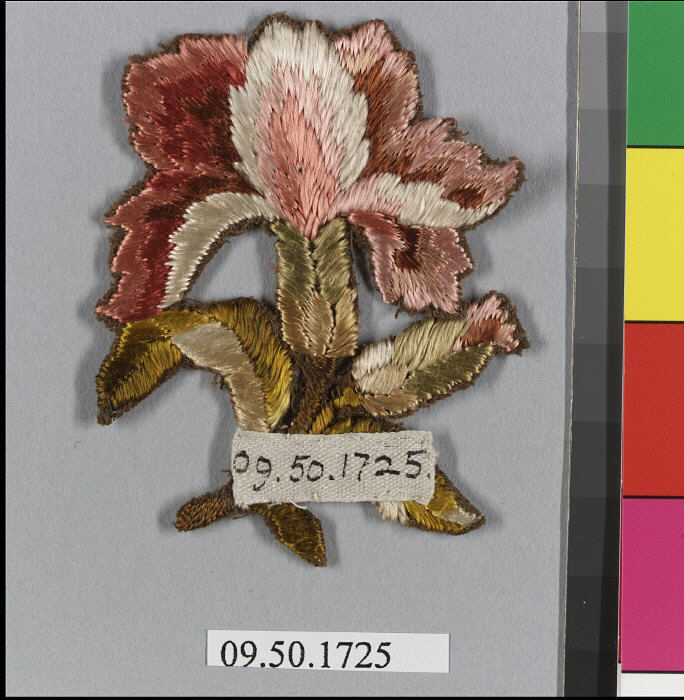
The embroidery, executed in silk thread and fine gold wire, depicts a schematic of the monsoon winds that powered the spice trade. These are not decorative flourishes but “navigational motifs” that echo the star charts of Arab navigators and the wave patterns of Japanese “seigaiha”. The stitching itself alternates between the tight, even satin stitch of Chinese “xiu” and the loose, expressive chain stitch of Indian “zardozi”. This hybrid stitching vocabulary is a direct reference to the port cities—Malacca, Zanzibar, Surat—where such techniques historically converged. The piece thus becomes a silent archive, encoding the movements of peoples, goods, and ideas across centuries.
Structural Alchemy: The Canvas as Second Skin
The decision to marry silk to canvas is a radical act in couture, where fabric typically dictates form. Here, the canvas serves as a “skeletal system” that allows the silk to behave in ways impossible in a pure textile construction. The canvas is cut into interlocking panels, each one shaped to a specific anatomical contour, then covered with silk. This creates a garment that is both armor and air—a paradox that Katherine Fashion Lab exploits with precision. The interior is left raw, exposing the canvas’s linen texture and the hand-written notations of the pattern makers: measurements, grainlines, and cryptic symbols that read like a tailor’s codex. This deliberate rawness is a counter-narrative to the polished exterior, inviting the wearer (and viewer) to consider the labor embedded in luxury.
The weight of the piece is carefully calibrated. At nearly three kilograms, it demands a conscious posture, a corporeal engagement that transforms the wearer into a performer. The canvas provides the necessary heft, while the silk offers a deceptive lightness of touch. This dichotomy is mirrored in the color palette: the indigo, achieved through a natural fermentation process that takes six months, deepens in the folds, while the saffron, derived from Crocus sativus stamens, retains a luminous, almost internal glow. The two colors do not blend but abut each other in a sharp seam, a visual representation of the “border” as a site of exchange rather than division.
Contextual Autonomy: The Standalone as Statement
In an industry dominated by seasonal cycles and commercial imperatives, the decision to present this piece as a standalone study is a curatorial and philosophical choice. It removes the garment from the context of a collection—where it would be read as part of a narrative or trend—and isolates it as an object of contemplation. This is akin to the museum practice of displaying a single artifact in a dimly lit room, forcing the viewer to confront its materiality and meaning without distraction. Katherine Fashion Lab here aligns with the “slow fashion” movement, but with a twist: it is not about sustainability in the environmental sense but about “sustainability of memory.” The piece is designed to be worn, but its primary function is to be studied.
The lack of a seasonal label or collection code reinforces this autonomy. Instead, the garment carries a single embroidered mark: a stylized compass rose, referencing the piece’s origins in global heritage. This mark is not a logo but a signature, a claim of authorship that also decenters the designer. The piece is not about Katherine Fashion Lab; it is about the “cosmopolitan lineage” that the lab has activated. The wearer becomes a custodian of this lineage, a living exhibit in a mobile gallery. This reframing challenges the consumerist impulse to own and discard, proposing instead a model of “custodial fashion” where garments are inherited, studied, and passed on.
Conclusion: The Future of Heritage
This silk-on-canvas piece is not a conclusion but a provocation. It asks: In an age of digital reproduction and fast fashion, what does it mean to craft an object that demands time, knowledge, and presence? The answer lies in the piece’s very construction. Every pleat, every stitch, every dye bath is a refusal of obsolescence. The global heritage is not a nostalgic retreat but a forward-looking resource—a toolkit for reimagining what clothing can signify. Katherine Fashion Lab has not created a garment; it has created a “thesis in fabric,” a standalone argument that couture can be a form of critical inquiry. As the wearer moves, the silk catches the light, the canvas holds its shape, and the embroidery tells its silent story of winds, routes, and hands that knew their craft. This is heritage not as a relic but as a living, breathing presence—a piece that will outlast its moment, waiting for the next scholar to decode its threads.