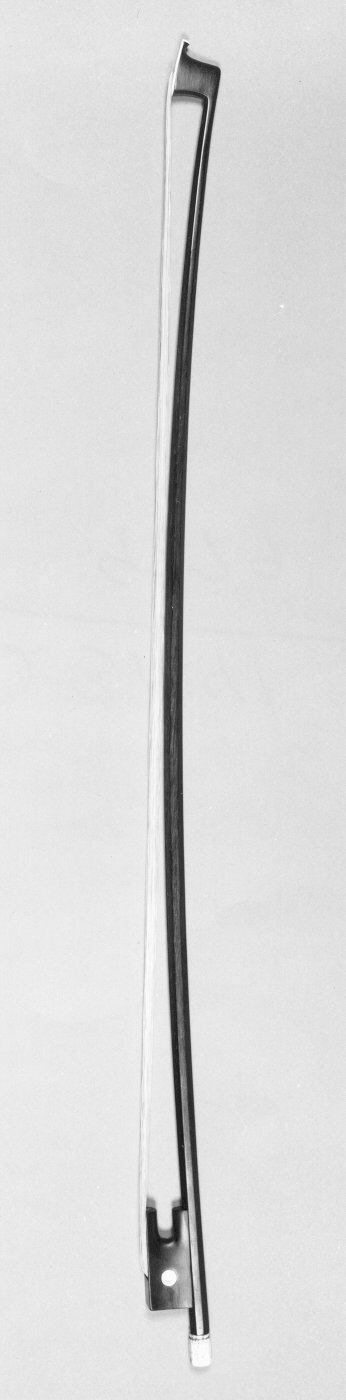
Heritage Analysis: The Violoncello Bow as a Symbol of British Craftsmanship and Cultural Power
This strategic standalone research paper examines the violoncello bow as a profound artifact of British cultural heritage, with particular emphasis on its symbolic power, historical adornment, spiritual meaning, and implications for high-end luxury strategy in 2026. As Lead Heritage Curator for Katherine Fashion Lab, I position this analysis within the broader context of material culture and luxury brand narrative, drawing upon the bow’s evolution as a tool of artistic expression and a marker of social distinction in British society.
Symbolic Power: The Bow as a Conduit of Authority and Elegance
The violoncello bow, crafted predominantly from pernambuco wood and adorned with silver, gold, or ivory fittings, embodies a unique symbolic lexicon within British cultural history. Its slender, arched form—often compared to a drawn longbow—evokes both martial precision and lyrical grace. In the hands of a cellist, the bow becomes an extension of the human arm, translating physical gesture into acoustic resonance. This duality—strength and sensitivity—positions the bow as a symbol of controlled power, a quality deeply resonant with British aristocratic ideals of restraint and refinement.
Historically, the bow’s symbolic power was amplified by its association with the British string tradition, particularly through the works of composers such as Henry Purcell and later Edward Elgar. The bow was not merely a tool but a badge of cultural capital. Owning a fine bow, often made by master artisans such as the Hill family of London, signified membership in an elite circle of connoisseurs. This material object thus functioned as a silent herald of status, intellect, and emotional depth—qualities that luxury brands today seek to embed in their product narratives.
Historical Adornment: Craftsmanship and the Evolution of Form
The physical adornment of the violoncello bow reflects centuries of technical and aesthetic refinement. British bow makers, particularly from the late 18th century onward, developed distinctive approaches to balance, weight, and ornamentation. The bow’s frog—the adjustable mechanism at the base—often features mother-of-pearl inlays, silver mounts, and ebony detailing. These elements are not merely decorative; they serve functional purposes, such as improving grip and counterbalancing the bow’s weight. Yet their aesthetic value cannot be overstated. The interplay of dark wood, luminous shell, and polished metal creates a visual rhythm that mirrors the bow’s musical purpose: a dance of light and shadow, tension and release.
In the British context, the bow’s adornment also carries imperial undertones. Materials such as tortoiseshell and ivory, now restricted, were once imported from colonial holdings, embedding the bow within a global network of trade and power. This historical dimension offers rich material for luxury storytelling, provided it is handled with sensitivity to contemporary ethics. For Katherine Fashion Lab, the bow’s adornment can inspire a design language that celebrates natural materials, artisanal precision, and the narrative of cultural exchange—without resorting to problematic appropriation.
Spiritual Meaning: The Bow as a Mediator Between Worlds
Beyond its physical and symbolic attributes, the violoncello bow holds deep spiritual resonance. In Western esoteric traditions, the bow is often viewed as a conduit between the material and the ethereal. The act of drawing the bow across strings—a motion that produces sound from silence—parallels the creative act itself, a transformation of potential into actuality. This metaphysical dimension is particularly pronounced in British Romanticism, where the cello was frequently described as a “speaking” instrument, capable of conveying the ineffable. The bow, then, becomes a tool of divination, channeling emotion and thought into audible form.
For the luxury consumer in 2026, spiritual meaning is increasingly sought as a counterbalance to digital saturation. The bow’s meditative quality—its requirement of focused, embodied practice—offers a model for products that encourage mindfulness and connection. Katherine Fashion Lab can leverage this by positioning its own creations as instruments of personal expression and inner harmony, much like the bow itself. The spiritual narrative also aligns with the growing interest in “slow luxury,” where objects are valued for their ability to foster presence and intentionality.
2026 High-End Luxury Strategy: Translating Heritage into Contemporary Desire
As we approach 2026, the luxury market is undergoing a paradigm shift. Consumers are moving away from ostentatious displays of wealth toward understated, meaningful objects that tell a story of heritage and craftsmanship. The violoncello bow offers a masterclass in this transition. Its value is not in its material cost alone but in the invisible labor of the maker, the history of its use, and the emotional resonance it carries. For Katherine Fashion Lab, a strategic approach might involve the following pillars:
Artisanal Exclusivity: Partnering with contemporary bow makers in the British tradition to create limited-edition accessories—such as scarves, jewelry, or handbags—that echo the bow’s structural elegance. These pieces would feature hand-polished metals, natural woods, and organic textures, emphasizing the patina of use over pristine perfection.
Narrative-Driven Marketing: Developing a campaign that traces the bow’s journey from raw material to finished object, highlighting the skill of the artisan and the cultural lineage of the design. This could include documentary-style content, interviews with bow makers, and immersive experiences where clients witness the bow-making process. The goal is to create a sense of stewardship rather than mere ownership.
Symbolic Resonance in Design: Incorporating the bow’s form—its curve, tension, and balance—into the silhouette of garments or accessories. For example, a structured coat with a curved lapel that mimics the bow’s arc, or a handbag with a handle that echoes the frog’s ergonomic design. These subtle references reward the discerning eye and foster a sense of insider knowledge.
Spiritual Well-Being as Luxury: Positioning the brand as a curator of objects that enhance personal well-being. The bow’s meditative quality can be translated into products designed for ritual use, such as a weighted scarf that encourages deep breathing or a bracelet that serves as a tactile reminder to pause. This aligns with the 2026 trend toward “conscious luxury,” where value is measured in emotional and spiritual return.
Ethical Materiality: Addressing the historical use of endangered materials by committing to sustainable alternatives. For instance, using certified sustainable woods, recycled metals, and lab-grown pearls. This not only honors the bow’s heritage but also positions Katherine Fashion Lab as a forward-thinking leader in ethical luxury.
Conclusion
The violoncello bow is far more than a functional object; it is a repository of British cultural memory, a symbol of refined power, and a vessel for spiritual transcendence. For Katherine Fashion Lab, it offers a rich template for luxury strategy in 2026, one that prioritizes craftsmanship, narrative, and meaning over superficial opulence. By translating the bow’s heritage into contemporary design and marketing, the brand can forge a deep, authentic connection with discerning consumers who seek not just products but artifacts of enduring value. This is the essence of strategic heritage curation: not to replicate the past, but to channel its wisdom into the future.