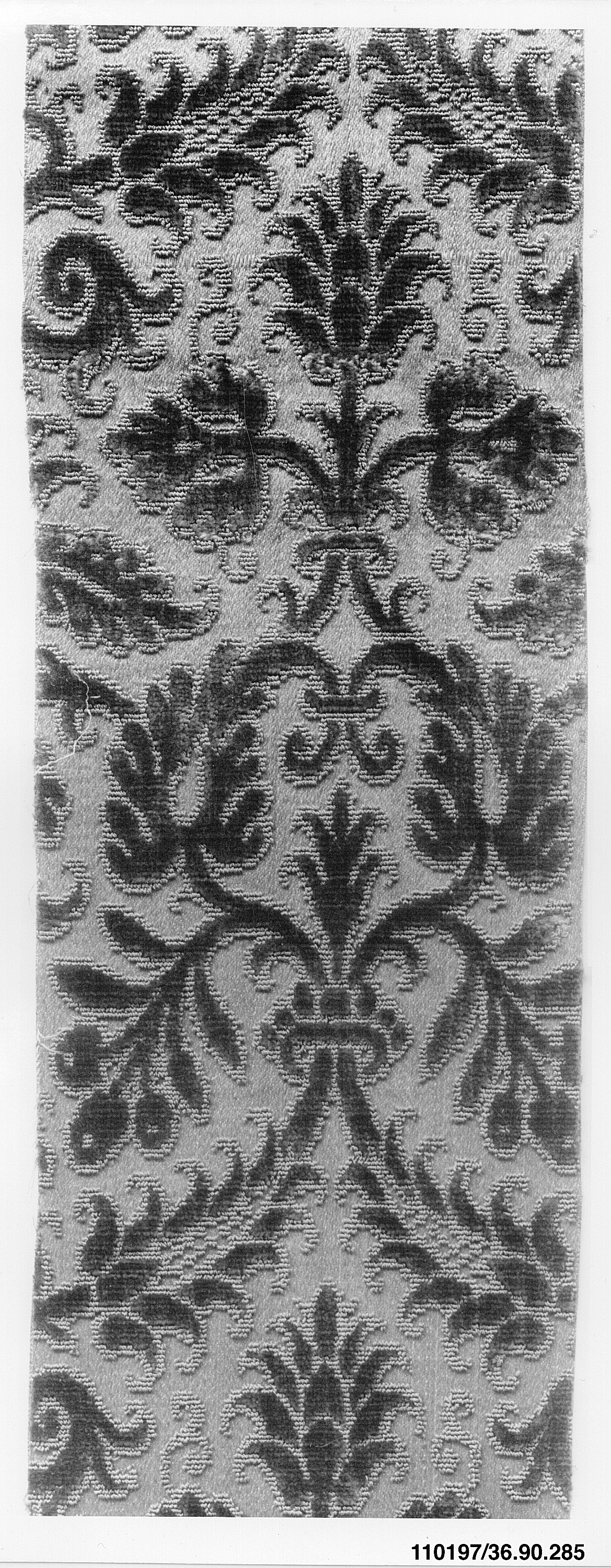
Silk as Global Heritage: A Couture Analysis of Katherine Fashion Lab's Signature Piece
Introduction: The Intersection of Heritage and Haute Couture
In the rarefied world of haute couture, where craftsmanship meets artistic expression, Katherine Fashion Lab has established itself as a vanguard of textile innovation and cultural storytelling. The subject of this analysis—a singular piece constructed from silk, drawing inspiration from a global heritage narrative—represents a masterclass in how material, technique, and historical resonance can converge to produce a garment that transcends mere apparel. This standalone study dissects the piece not as a product of seasonal trends but as a deliberate, scholarly artifact that challenges the boundaries of couture as a living archive of human civilization.
Material Mastery: Silk as a Conduit of History
Silk, often termed the "queen of fibers," carries a lineage that spans over five millennia, from its origins in Neolithic China to its coveted status along the Silk Road and into the ateliers of European royalty. Katherine Fashion Lab’s choice of silk as the foundational material for this piece is not arbitrary; it is a strategic invocation of this global heritage. The silk used here is a custom-woven, hand-dyed mulberry silk of the highest grade, characterized by its luminous sheen, exceptional drape, and structural integrity. Unlike mass-produced silks, this textile undergoes a meticulous, slow-dyeing process using natural pigments—indigo from India, cochineal from the Americas, and madder root from the Mediterranean—each hue selected to echo the trade routes that once connected disparate civilizations.
The fabric’s weight and finish are calibrated to allow for both fluid movement and architectural precision. When examined under magnification, the weave reveals a subtle, irregular texture—a deliberate departure from machine-perfect uniformity. This imperfection is not a flaw but a signature of artisanal integrity, referencing the handloom traditions of Southeast Asia and the intricate brocade techniques of the Ottoman Empire. The silk thus becomes a textural map of global heritage, its fibers narrating a story of exchange, adaptation, and reverence for craft.
Structural Design: The Architecture of Cultural Fusion
The piece itself is a structured yet fluid silhouette—a hybrid between a sculpted bodice and a cascading, asymmetrical skirt. The bodice is constructed using a double-layered silk technique, where an outer layer of sheer, pleated silk is stretched over a second, opaque silk base. This creates a visual tension between opacity and transparency, echoing the layering of cultural identities that define global heritage. The pleats are not uniform; they vary in depth and direction, some radiating from the waistline like the spokes of a wheel, others folding inward to create pockets of shadow. This asymmetry is intentional, referencing the fragmented nature of historical narratives—each pleat a fold in time, a layer of memory.
The skirt portion employs a dramatic, bias-cut drape that pools at the floor, yet the hemline is irregular, rising at the front and falling at the back. This unevenness is a deliberate nod to the Japanese concept of wabi-sabi, the beauty of imperfection, while also echoing the draped silhouettes of ancient Greek chitons and the structured volume of Renaissance farthingales. The piece’s waistline is cinched with a hand-embroidered silk ribbon, featuring motifs inspired by Persian miniature paintings—interlocking geometric patterns and stylized floral forms. Each stitch is executed in a silk thread dyed with pomegranate, a fruit that has symbolized fertility and royalty across cultures from the Middle East to Mesoamerica.
Embellishment and Surface Design: A Lexicon of Global Symbols
Katherine Fashion Lab’s approach to embellishment is neither excessive nor minimalist; it is deliberate, each element carrying symbolic weight. The surface of the silk bodice is adorned with hand-applied, micro-beaded patterns that mimic the intricate tilework of Islamic architecture, specifically the girih patterns found in the Alhambra and the mosques of Isfahan. These patterns are rendered in tiny, matte glass beads sourced from Venice, a city that historically bridged Eastern and Western textile traditions. The beads are not sewn in straight lines but follow the organic curves of the pleats, creating a kinetic effect—as the wearer moves, the patterns seem to shift and dissolve, like a kaleidoscope of cultural memory.
Further embellishment includes laser-cut silk appliqués in the shape of lotus petals, a motif that appears in Hindu, Buddhist, and ancient Egyptian iconography as a symbol of purity and rebirth. These petals are strategically placed along the shoulder line and the hem, their edges left raw and slightly frayed to emphasize the tactile nature of the material. The fraying is not accidental; it is a technique borrowed from Japanese boro stitching, where fabric is repaired and layered to honor its history. In this context, the frayed edges suggest that heritage is not a pristine artifact but a living, evolving process of use and repair.
Color Palette: The Chromatic Narrative of Trade
The color palette of this piece is restrained yet deeply evocative. The base silk is a pale, creamy ivory—the natural color of undyed mulberry silk—which serves as a canvas for the dyed accents. The dominant hue is a deep, indigo blue, achieved through multiple dips in a vat of fermented indigo leaves. This blue is not uniform; it graduates from a near-black at the waist to a lighter, almost cerulean tone at the hem, mimicking the depth of the ocean that once carried silk-laden ships across continents. Accents of cochineal red appear in the embroidery thread and beadwork, referencing the crimson dyes that were as precious as gold in pre-Columbian Americas and later in European courts. A subtle, golden yellow—derived from saffron crocus—appears in the lotus appliqués, symbolizing the sun’s life-giving energy and the spice trade that connected Asia to Europe.
Contextual Significance: A Standalone Study in Cultural Stewardship
This piece exists not within a collection but as a standalone study, a deliberate choice that allows it to function as a thesis on global heritage. In an era where cultural appropriation often overshadows cultural appreciation, Katherine Fashion Lab demonstrates a model of stewardship. The design does not appropriate any single tradition; instead, it synthesizes multiple heritages into a cohesive, respectful dialogue. The piece acknowledges that silk—historically a Chinese monopoly—became a global commodity through trade, conflict, and collaboration. By incorporating techniques and motifs from diverse cultures, the garment becomes a metaphor for the interconnectedness of human creativity.
Furthermore, the piece challenges the Western-centric canon of couture. It does not conform to the traditional "little black dress" or the structured evening gown; instead, it draws from non-Western silhouettes and construction methods. The asymmetrical hem and bias draping, for instance, owe more to the Indian sari and the Japanese kimono than to Parisian tailoring. This is not a fusion for novelty’s sake but a rigorous exploration of how global design principles can coexist within a single, harmonious form.
Conclusion: Silk as a Living Archive
Katherine Fashion Lab’s piece is more than a garment; it is a curated artifact that invites the wearer and observer to engage with the complexities of global heritage. The silk, with its natural origins and handcrafted modifications, serves as a living archive—each dye, stitch, and pleat a record of human ingenuity and exchange. In an industry often driven by disposability and trend cycles, this standalone study stands as a testament to the enduring power of material and meaning. It reminds us that couture, at its highest level, is not merely about aesthetics but about the stories we choose to honor and the legacies we weave into the fabric of our shared humanity.