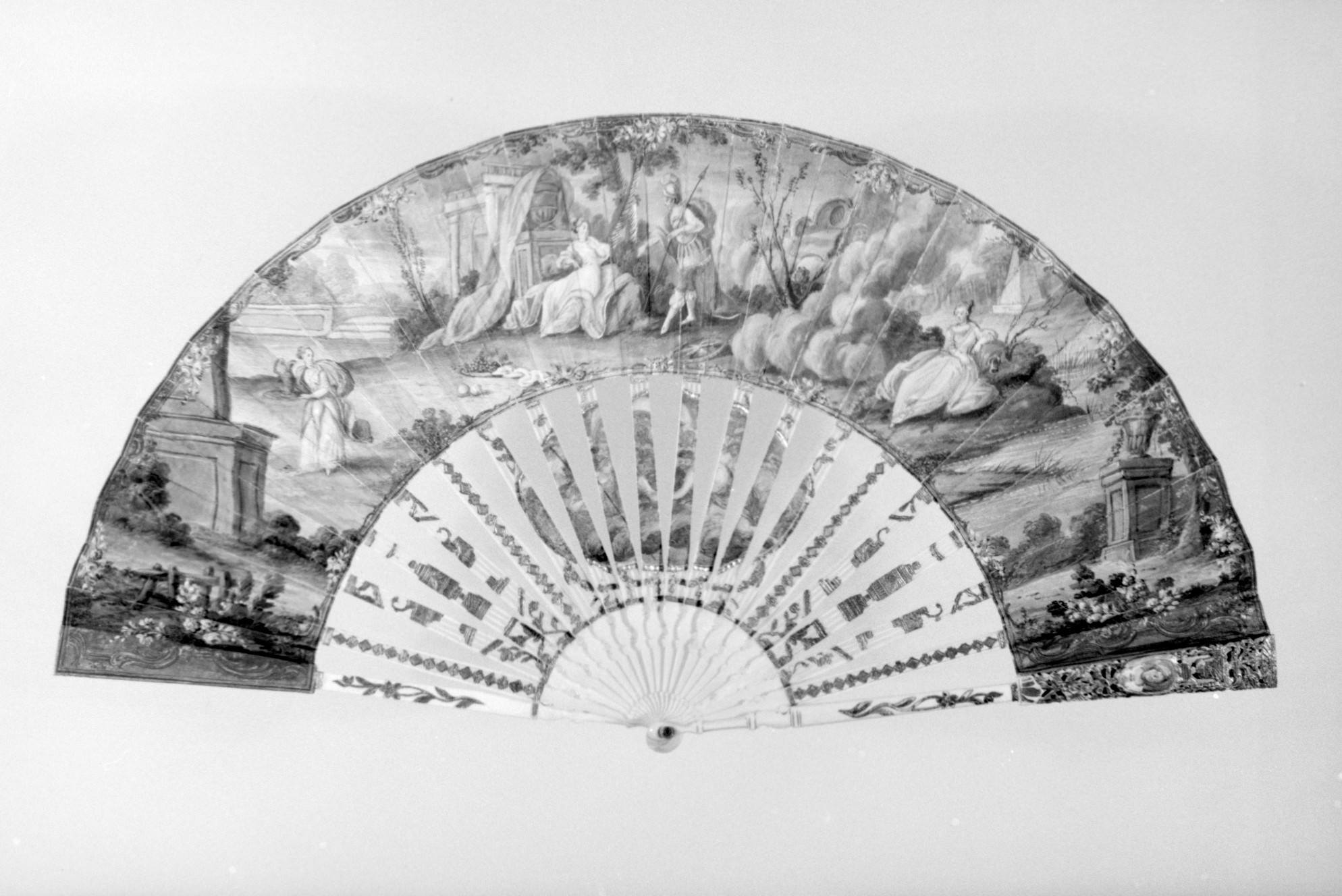
Heritage Analysis: The Fan as a Symbol of Power and Adornment in Ancient Civilizations
For Katherine Fashion Lab, the fan emerges not merely as an accessory but as a profound artifact of cultural authority, spiritual resonance, and aesthetic mastery. Across ancient civilizations—from dynastic Egypt to imperial China, classical Greece to pre-Columbian Mesoamerica—the fan served as a portable emblem of status, a tool for ritual communication, and a canvas for artisanal excellence. This analysis deconstructs the fan’s heritage through the lenses of symbolic power, historical adornment, and spiritual meaning, culminating in a strategic framework for its integration into 2026 high-end luxury offerings. The materials of paper, ivory, and glass, though later innovations, echo ancient precedents where organic and precious substances converged to elevate the fan beyond utility.
Symbolic Power: The Fan as an Instrument of Authority and Influence
Hierarchical Signaling in Ancient Courts
In ancient civilizations, the fan was a deliberate marker of hierarchical distinction. In Pharaonic Egypt, large feather fans—often crafted from ostrich plumes attached to gilded handles—were reserved exclusively for royalty and high priests. These fans, depicted in tomb reliefs and funerary art, were not merely cooling devices but visual proclamations of divine right. The Pharaoh’s fan, often held by attendants, symbolized the ruler’s ability to command the air itself, an elemental force associated with life and breath. Similarly, in ancient China, the ceremonial fan, or shan, made from silk, bamboo, and later paper, was a mandatory court accessory. The zhangshan, a large, rigid fan carried by officials, denoted rank: the number of folds, the material of the handle, and the embroidered motifs—dragons for emperors, phoenixes for empresses—communicated specific political and social standing. This symbolic power was not passive; it actively shaped court dynamics, as the fan’s presence or absence could signal favor, disapproval, or ritual purity.
Military and Political Connotations
Beyond the court, the fan found resonance in military and political spheres. In ancient Rome, the flabellum, a fan made of peacock feathers or linen, was used by generals during triumphal processions to signify victory and authority. The fan’s sweeping motion evoked the dispersal of enemies and the purification of the battlefield. In Mesoamerican civilizations, such as the Aztecs and Maya, fans made from quetzal feathers and woven palm leaves were wielded by rulers and priests during state ceremonies. The iridescent green of the quetzal feather, a symbol of fertility and the underworld, imbued the fan with the power to mediate between earthly rulers and celestial deities. This symbolic power, rooted in the fan’s ability to manipulate air and light, positioned it as a tangible link between human authority and cosmic order—a concept that luxury brands can leverage to connote exclusivity and transcendence.
Historical Adornment: The Fan as a Canvas for Artisanal Mastery
Materials and Craftsmanship Across Eras
The fan’s evolution as an object of adornment is inseparable from the materials and techniques that defined ancient luxury. The medium of paper, though often associated with later Chinese and Japanese fans, has ancient precursors in papyrus and amate bark paper used by Egyptians and Mesoamericans. These early paper fans were often painted with mineral pigments, depicting scenes of hunting, mythology, or courtly life. Ivory, sourced from elephant tusks or hippopotamus teeth, was carved into fan sticks and guards in ancient India and Rome, showcasing intricate latticework and figurative reliefs. Glass, a later innovation, appeared in Hellenistic and Roman fan handles as decorative inlays, reflecting light and demonstrating technological prowess. The combination of these materials—paper for narrative, ivory for structural elegance, glass for luminosity—created a multisensory adornment that appealed to touch, sight, and even sound (the rustle of paper or the clink of glass beads).
Adornment as Cultural Identity
Historical adornment through fans also reinforced cultural identity. In ancient Greece, women used small, handheld fans made from linen or peacock feathers, often dyed in vibrant colors like Tyrian purple, to signal their social class and marital status. The fan’s shape—round, leaf-like, or folding—varied by region, with Minoan fans featuring geometric patterns and Mycenaean fans adopting spiral motifs. In ancient Korea, the buchae fan, made from paper and bamboo, was adorned with calligraphy and ink paintings, transforming it into a portable art object that reflected the owner’s literacy and aesthetic sensibilities. For Katherine Fashion Lab, this historical precedent underscores the fan’s capacity to serve as a personalized emblem of identity—a concept that resonates with contemporary luxury consumers seeking bespoke, meaningful accessories.
Spiritual Meaning: The Fan as a Conduit Between Worlds
Ritual and Ceremonial Functions
Spiritually, the fan held profound meaning across ancient civilizations as a tool for ritual communication and protection. In ancient Egypt, the fan was associated with the goddess Isis, who was often depicted with a fan to symbolize her role as a protector and life-giver. During funerary rites, fans were placed in tombs to provide the deceased with breath in the afterlife, ensuring their soul’s journey. In ancient China, Taoist and Buddhist monks used fans to disperse incense smoke during meditation, creating a sacred atmosphere and warding off malevolent spirits. The fan’s movement was believed to mimic the flow of qi (life force), making it an instrument for spiritual alignment. In pre-Columbian Peru, the Moche civilization used ceramic fans in burial contexts, their painted imagery depicting shamanic transformations and connections to animal spirits. These spiritual dimensions elevated the fan from a mere object to a vessel for transcendence—a quality that luxury brands can evoke through design narratives that emphasize mindfulness, heritage, and the sacred.
Symbolism of Air and Breath
At its core, the fan’s spiritual meaning derives from its association with air and breath—elements universally linked to life, spirit, and communication. In ancient Greek mythology, the fan was connected to the god Zephyrus, the gentle west wind, and was used in oracles to channel divine messages. In Hindu traditions, the chamara (yak-tail fan) is used in temple rituals to honor deities, symbolizing the devotee’s surrender and the divine’s cooling presence. This symbolism of breath and air aligns with contemporary luxury trends that prioritize well-being, authenticity, and sensory experience. For Katherine Fashion Lab, the fan can be repositioned as a tool for personal ritual—a mindful accessory that grounds the wearer in tradition while projecting an aura of serene authority.
2026 High-End Luxury Strategy: Integrating Heritage into Modern Brand Architecture
Positioning the Fan as a Statement of Exclusivity and Narrative
For the 2026 luxury market, Katherine Fashion Lab can leverage the fan’s heritage to create a product line that bridges ancient symbolism with contemporary desirability. The fan should be positioned not as a nostalgic relic but as a strategic object for the discerning collector. Drawing from ancient symbolic power, the brand can offer limited-edition fans that mimic the hierarchical signaling of royal courts. For instance, a “Pharaoh’s Breath” collection could feature fans with gilded handles and hand-painted papyrus panels, each numbered and accompanied by a certificate tracing its design to Egyptian motifs. The use of ivory alternatives, such as sustainably sourced tagua nut or fossilized mammoth ivory, can maintain the material prestige while addressing ethical concerns. Glass elements, such as Swarovski crystal inlays or hand-blown Venetian glass accents, can evoke the luminosity of Roman and Hellenistic fans, appealing to clients who value craftsmanship and light play.
Spiritual and Experiential Marketing
The spiritual dimension of the fan offers a unique avenue for experiential luxury. Katherine Fashion Lab can collaborate with contemporary artists, perfumers, and sound designers to create “ritual fan” experiences. For example, a fan infused with a custom fragrance—such as myrrh and lotus for Egyptian inspiration—could be marketed as a tool for meditation or personal sanctuary. Pop-up events in heritage sites, such as the British Museum or the Forbidden City, could allow clients to engage with the fan’s history through guided narratives and interactive displays. This approach aligns with the 2026 luxury trend toward “conscious opulence,” where consumers seek products that offer emotional depth, cultural literacy, and a sense of timelessness.
Strategic Pricing and Audience Segmentation
Pricing should reflect the fan’s dual role as an art object and a status symbol. Entry-level pieces, using paper and sustainable materials, could be priced at $800–$1,500, targeting aspirational luxury buyers. Mid-range collections, incorporating hand-painted silk and semi-precious stones, could range from $3,000–$8,000, appealing to established collectors. Top-tier, commission-only pieces—featuring gold leaf, rare woods, and custom iconography—could command $15,000–$50,000, positioning Katherine Fashion Lab as a purveyor of heirloom-quality accessories. Marketing narratives should emphasize the fan’s historical lineage, with each piece linked to a specific ancient civilization (e.g., “The Moche Spirit Fan” or “The Han Dynasty Scholar’s Fan”). Digital storytelling through short films, virtual reality tours of ancient workshops, and collaborations with historians can deepen brand authority.
Conclusion: The Fan as a Timeless Luxury Asset
The fan’s heritage as a symbol of power, adornment, and spirituality in ancient civilizations provides Katherine Fashion Lab with a rich strategic foundation for 2026. By honoring its historical roots—through materials like paper, ivory, and glass, and through narratives of authority and transcendence—the brand can create a luxury offering that resonates with modern consumers’ desire for meaning, exclusivity, and sensory delight. The fan is not merely an accessory; it is a legacy, a ritual, and a statement. In the hands of Katherine Fashion Lab, it becomes a bridge between ancient wisdom and future-forward luxury, inviting clients to hold not just an object, but a piece of history. This analysis recommends immediate development of a prototype collection, with a focus on material ethics, narrative depth, and experiential marketing, to secure the fan’s place as a defining artifact of 2026 high-end luxury.