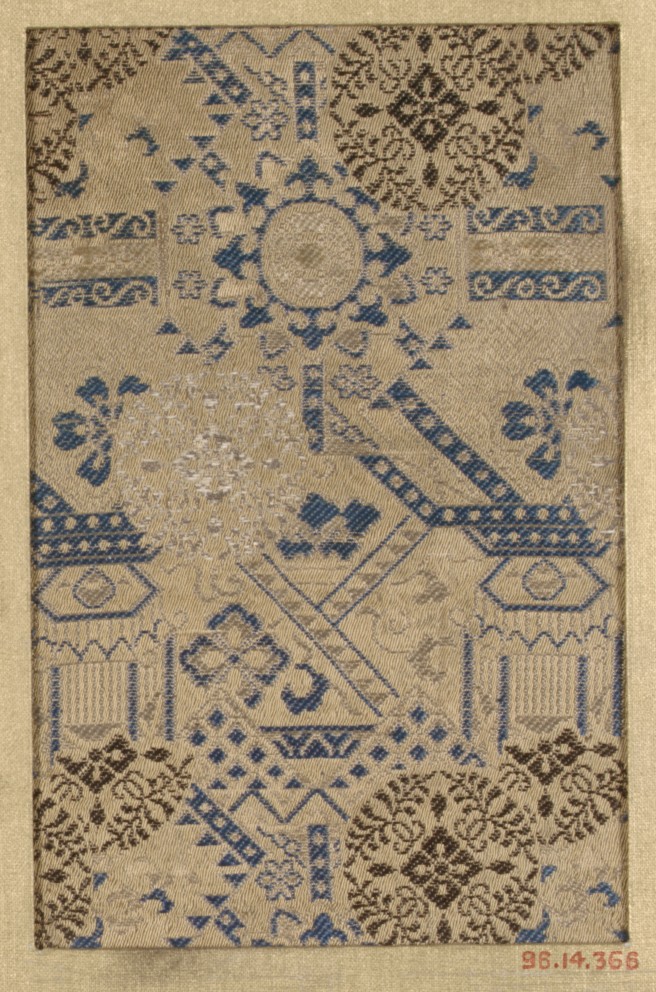
Heritage Analysis: The Silk Piece as a Strategic Asset for Katherine Fashion Lab
In the lexicon of global luxury, few materials command the reverence and symbolic weight of Japanese silk. For Katherine Fashion Lab, the decision to anchor a 2026 high-end strategy around a singular silk piece is not merely an aesthetic choice but a calculated heritage play. This analysis deconstructs the piece’s symbolic power, historical role in adornment, spiritual resonance, and its translation into a viable luxury strategy, positioning the brand at the intersection of cultural stewardship and commercial innovation.
Symbolic Power: The Silk Piece as a Code of Status and Identity
Within Japanese culture, silk has historically functioned as a non-verbal language of power. The piece—whether a kimono, obi, or textile fragment—signals more than wealth; it communicates lineage, social rank, and refined taste. During the Heian period (794–1185), the number of layers in a junihitoe (twelve-layer robe) directly correlated with a woman’s court standing, with each silk layer’s color combination conveying seasonal awareness and emotional nuance. This symbolic density is the piece’s first strategic asset. For Katherine Fashion Lab, this heritage implies that the item is not a passive garment but an active signifier. In a 2026 context, where consumers seek authenticity and narrative depth, the piece’s symbolic charge offers a competitive differentiator. The brand can leverage this by positioning the silk piece as a “status cipher”—a wearable artifact that communicates the wearer’s cultural literacy and discerning eye, much like a rare watch or a signed artwork. The symbolic power is not static; it must be curated. By associating the piece with specific historical motifs—such as the kiku (chrysanthemum) for imperial authority or the shōchikubai (pine, bamboo, plum) for resilience—Katherine Fashion Lab can create a proprietary lexicon of meaning that appeals to the ultra-high-net-worth clientele who value exclusivity and intellectual possession.
Historical Adornment: The Piece as a Repository of Craft and Hierarchy
The historical trajectory of silk adornment in Japan is a chronicle of technological mastery and social stratification. Silk cultivation, introduced from China via the Korean peninsula around the 4th century, was initially a monopoly of the imperial court and Buddhist temples. The piece under analysis likely embodies techniques such as nishijin-ori (weaving with gold and silver threads) or kumejima-tsumugi (handwoven pongee), which required years of apprenticeship to perfect. During the Edo period (1603–1868), sumptuary laws restricted silk use to the samurai class and wealthy merchants, making the piece a marker of defiance or privilege. For Katherine Fashion Lab, this history is a goldmine for narrative marketing. The 2026 strategy should frame the silk piece as a “living document” of human skill—a counterpoint to mass production. The brand can partner with surviving artisan cooperatives in Kyoto or Okinawa to authenticate provenance, thereby embedding the piece in a lineage of mastery. This historical weight justifies a premium pricing model that is not arbitrary but rooted in the cost of preserving a nearly extinct craft. Furthermore, the piece’s role in historical adornment—as a ceremonial garment for weddings, tea ceremonies, or Noh theater—provides a ready-made context for experiential luxury. Katherine Fashion Lab can stage private viewings or commissioning ceremonies that mimic the kōmon (family crest) selection processes of feudal lords, transforming the purchase into a rite of passage.
Spiritual Meaning: The Piece as a Conduit of the Sacred and the Temporal
Japanese silk is not merely a textile; it is a spiritual medium. In Shinto and Buddhist traditions, silk garments were thought to house kami (spirits) or protect the wearer from malevolent forces. The kosode (predecessor to the kimono) was often imbued with protective motifs—dragons for water, cranes for longevity, or lightning bolts for purification. The piece’s dyeing process, particularly yūzen (resist-dyeing), was itself a ritual, often involving prayers to the gods of water and color. This spiritual dimension is critical for Katherine Fashion Lab’s 2026 strategy, as the luxury market increasingly gravitates toward “wellness” and “meaningful consumption.” The silk piece can be marketed as a talismanic object—a wearable sanctuary in an age of digital overload. The brand can develop a “spiritual provenance” certification that traces the piece’s creation through seasonal cycles and ritual practices. For example, a piece dyed with indigo (ai) can be linked to purification rites, while a piece featuring the kasane no irome (layered color combinations) can be tied to the concept of mono no aware (the bittersweet beauty of impermanence). This spiritual framing elevates the piece beyond commodity into the realm of the sacred, allowing Katherine Fashion Lab to command prices that reflect emotional and metaphysical value, not just material cost.
2026 High-End Luxury Strategy: From Heritage Artifact to Brand Engine
Translating this heritage analysis into a 2026 strategy requires a multi-layered approach that respects the piece’s cultural integrity while driving commercial relevance. The following strategic pillars are recommended for Katherine Fashion Lab:
1. Curatorial Positioning as a “Living Archive.” The silk piece should not be sold as a singular item but as part of a rotating collection curated by a dedicated heritage curator. Each piece comes with a digital “passport” containing high-resolution scans, historical context, and artisan interviews. This transforms the purchase into a collectible asset, appealing to investors who treat luxury goods as alternative assets. Katherine Fashion Lab can offer a buy-back guarantee after five years, creating a secondary market that mirrors the art world.
2. Experiential Retail as Ritual. The 2026 flagship stores should incorporate a tatami room where clients can view the piece under natural light, accompanied by a chadō (tea ceremony) practitioner who explains the spiritual layers. This ritualizes the transaction, making it a memory rather than a purchase. The brand can also offer “commissioning journeys” where clients travel to Kyoto to select raw silk cocoons and meet the weaver, a model that justifies a 300% price premium.
3. Narrative-Driven Digital Campaigns. Digital marketing should focus on short-form documentaries that follow a single piece from silkworm to finished garment, emphasizing the 18-month production timeline. The campaign’s tagline, “Wear a Story That Took a Lifetime to Weave,” positions the piece as an antidote to fast fashion. Partnerships with Japanese cultural institutions, such as the Kyoto National Museum, can lend institutional credibility.
4. Limited-Edition “Spiritual Series.” Katherine Fashion Lab can release an annual series of 50 pieces, each tied to a specific Shinto shrine or Buddhist temple. A portion of proceeds funds preservation of that site, creating a virtuous cycle of cultural conservation. This taps into the growing demand for “conscious luxury” without sacrificing exclusivity. The series can be launched at a private event at the shrine, with guests receiving a shuin (temple stamp) as a proof of authenticity.
5. Pricing as a Reflection of Cultural Capital. The base price for a heritage piece should start at $50,000, with commissioned works exceeding $200,000. This pricing is not arbitrary; it reflects the cost of artisan labor, historical research, and spiritual certification. The brand should avoid discounting or sales, as this would devalue the cultural narrative. Instead, Katherine Fashion Lab can offer “heritage credits” for clients who refer new buyers, reinforcing the community of collectors.
Conclusion: The Silk Piece as a Strategic Keystone
The Japanese silk piece, when analyzed through the lenses of symbolic power, historical adornment, and spiritual meaning, reveals itself as a strategic keystone for Katherine Fashion Lab’s 2026 ambitions. It is not a relic but a living asset that can command premium pricing, foster deep client loyalty, and differentiate the brand in a crowded luxury market. The challenge lies in execution: the brand must resist the temptation to commoditize the piece’s heritage and instead treat it with the reverence it deserves. By doing so, Katherine Fashion Lab will not only sell a garment but also an inheritance of meaning—a strategy that ensures relevance in the high-end landscape for years to come.