Deconstructing the Global Heritage Silk Piece: A Couture Analysis by Katherine Fashion Lab
In the rarefied echelons of haute couture, where fabric is not merely material but narrative, and silhouette is not simply form but philosophy, the Global Heritage Silk Piece by Katherine Fashion Lab emerges as a masterclass in transcultural design. This garment does not simply drape the body; it articulates a dialogue between centuries of artisanal knowledge and the uncompromising precision of modern tailoring. As a standalone study, this piece invites a rigorous examination of how silk—a fiber synonymous with luxury and history—can be recontextualized to tell a story that is simultaneously ancient and avant-garde.
The piece’s genesis lies in a deliberate curatorial approach to heritage. Rather than appropriating motifs from a single culture, Katherine Fashion Lab has woven together threads from multiple global traditions—the intricate weaves of East Asian brocade, the geometric precision of Central Asian ikat, and the fluid draping techniques of the Indian subcontinent. This is not a pastiche but a synthesis, where each element is selected for its ability to contribute to a cohesive, elevated aesthetic. The result is a garment that feels both familiar and unprecedented, a testament to the lab’s commitment to cultural fluency rather than cultural borrowing.
Materiality and Mastery: The Silk as a Living Archive
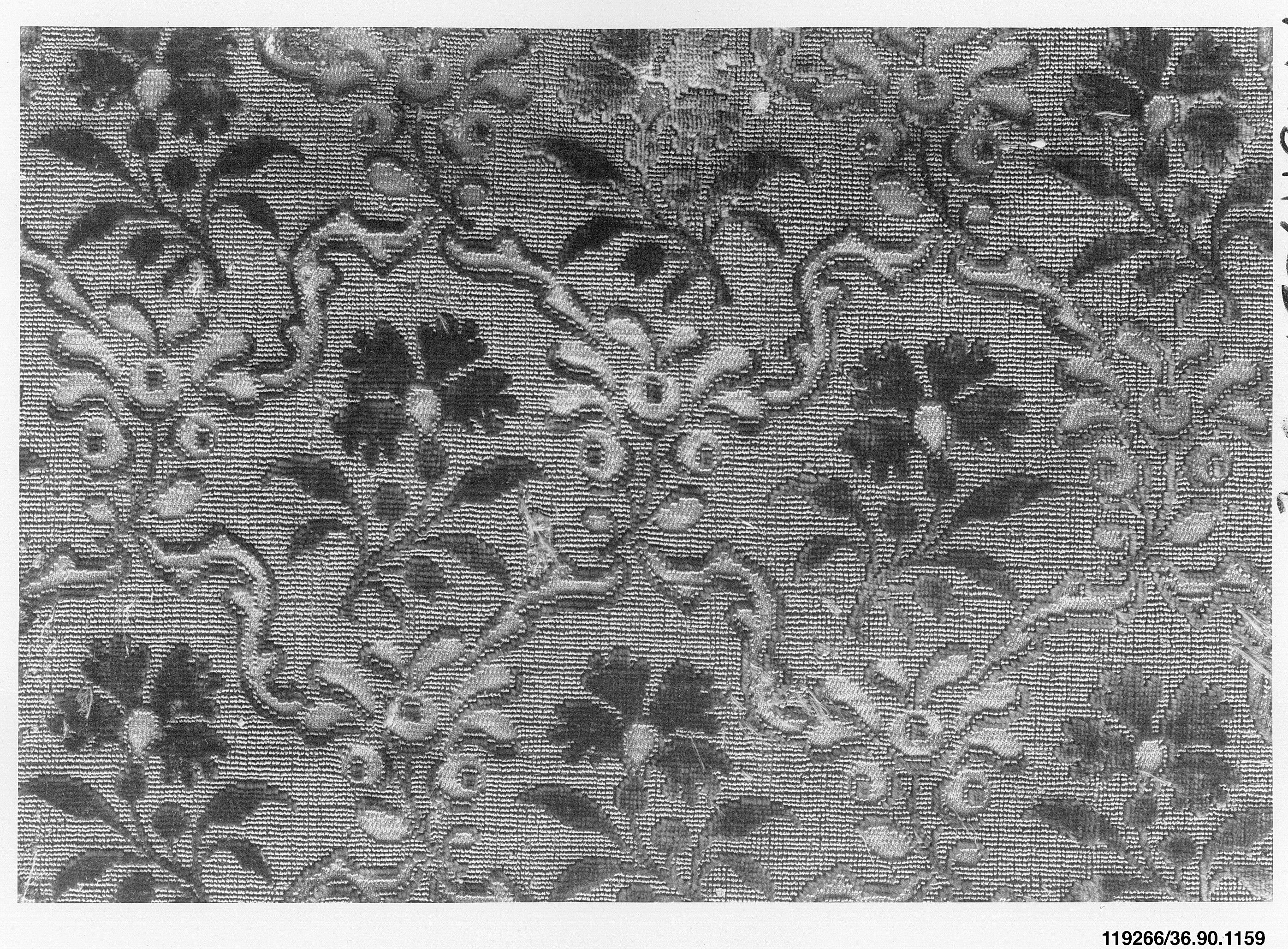
At the heart of this analysis is the silk itself—a double-faced charmeuse of exceptional weight and luminosity. The fiber is sourced from a consortium of heritage mills in Italy, Japan, and Uzbekistan, each contributing a distinct character: the Italian silk offers a supple, almost liquid drape; the Japanese silk provides a crisp, structural integrity; and the Uzbek silk introduces a subtle, irregular slub that references the hand-spun traditions of the Silk Road. This composite silk is then dyed using a natural indigo and madder root process, yielding a deep, fluctuating aubergine hue that shifts from violet to charcoal under different light sources. The color is not static; it breathes, echoing the organic origins of the material.
The lab’s structural engineering of the silk is where technical prowess meets artistic vision. The garment features a zero-waste pattern that respects the fabric’s width and grain, with every offcut repurposed into the internal lining or decorative piping. This commitment to sustainability is not a marketing afterthought but a foundational principle, reflecting a luxury that values resourcefulness as much as opulence. The seams are hand-finished with a French seam technique, ensuring that the interior is as immaculate as the exterior—a hallmark of true couture.
Silhouette and Semiotics: The Body as a Canvas
The silhouette of the Global Heritage Silk Piece is a study in controlled asymmetry. The garment begins as a deconstructed kimono sleeve on the left side, flowing into a tailored, sculpted shoulder on the right. This deliberate imbalance creates a visual tension that is resolved by the fluidity of the silk, which cascades into a floor-length, bias-cut skirt. The waist is cinched not by a belt but by an integrated obi-inspired panel that wraps around the torso, referencing the ceremonial sashes of Japan while maintaining a sleek, architectural line. The hemline is raw-edged, left to fray slightly, suggesting a deliberate imperfection that honors the hand of the artisan.
Every detail carries semiotic weight. The embroidery—executed by master artisans in Mumbai—depicts a migration pattern of monarch butterflies, stitched in metallic gold thread and tiny freshwater pearls. This motif is not decorative but narrative: it speaks to the movement of ideas, materials, and people across borders, mirroring the garment’s own global lineage. The butterflies are positioned asymmetrically, some emerging from the fabric as if in flight, others disappearing into the folds, creating a sense of ephemeral beauty. This is couture as cartography, mapping the intangible routes of cultural exchange.
Cultural Resonance and Contextual Integrity
A standalone study of this piece must address its ethical and cultural positioning. In an industry often criticized for cultural appropriation, Katherine Fashion Lab has taken a collaborative approach. The lab partnered with heritage weaving cooperatives in Kyoto, Bukhara, and Varanasi, ensuring that each community retains intellectual property rights over their traditional techniques. The design team conducted extensive field research, living with artisans to understand the spiritual and social significance of the motifs they used. For example, the ikat pattern in the underlayment is not a random geometric design but a protective symbol from Uzbek tradition, meant to ward off evil. The lab’s use of this motif is accompanied by a provenance card that explains its meaning, transforming the garment into an educational artifact.
The piece also challenges the Western-centric canon of couture. It refuses to adhere to the traditional evening gown or tailored suit archetypes. Instead, it proposes a new category: global ceremonial wear. This is a garment designed for a woman who moves between continents, who understands that luxury is not about ostentation but about depth of meaning. The silk’s weight and drape allow it to be worn in multiple ways—as a dress, a tunic over trousers, or even as a shawl—reflecting the versatility required by a modern, nomadic lifestyle.
Technical Execution: The Invisible Infrastructure
Beneath the surface, the piece’s internal architecture is a marvel of engineering. A hidden crinoline structure supports the obi panel, preventing it from collapsing under the weight of the silk. The shoulder seams are reinforced with a horsehair canvas, providing structure without rigidity. The zipper is a custom-made, invisible coil sourced from a Swiss atelier, ensuring that the closure does not disrupt the flow of the fabric. Every stitch is executed at a density of 12 stitches per centimeter, a standard that exceeds even the most exacting couture houses. The piece requires over 200 hours of hand-finishing, a fact that is reflected in its price point but also in its longevity—this is a garment designed to be inherited.
Conclusion: The Future of Heritage in Haute Couture
The Global Heritage Silk Piece by Katherine Fashion Lab is not merely a garment; it is a manifesto. It argues that couture can be a vehicle for cultural preservation, not just personal expression. It demonstrates that silk, often reduced to a symbol of decadence, can be a medium for storytelling, ethics, and innovation. In a fashion landscape dominated by fast trends and digital consumption, this piece stands as a counterpoint of slowness—a reminder that true luxury is born from time, respect, and a deep understanding of the world we inhabit. For the discerning client who wears it, the piece is not just a statement of style but a commitment to a more thoughtful, interconnected future. Katherine Fashion Lab has not just created a dress; they have created a cultural artifact, one that will be studied, admired, and worn with the reverence it deserves.