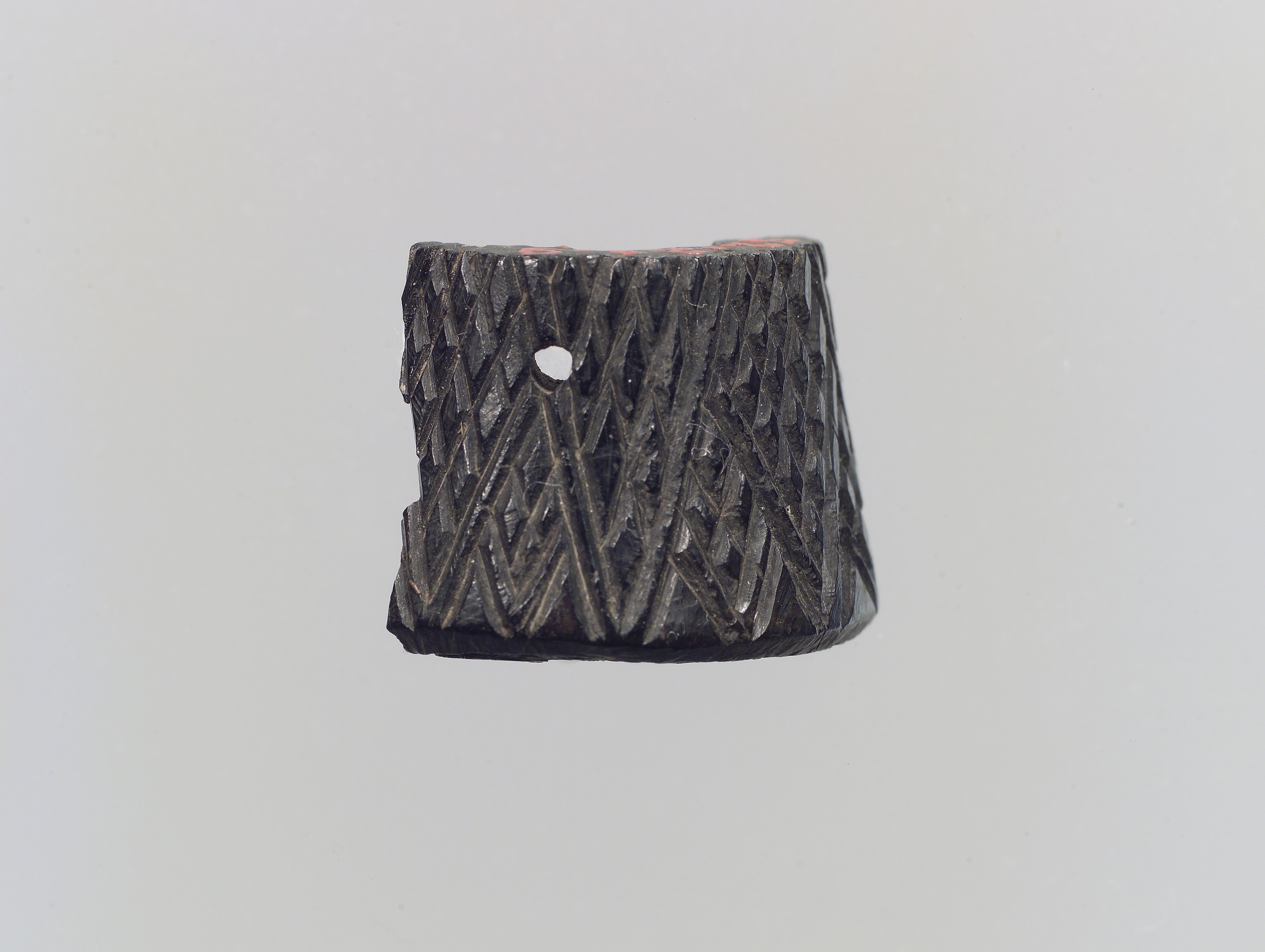
Executive Heritage Analysis: The Assyrian Ivory Fragment
This strategic research paper presents a comprehensive heritage analysis of an Assyrian ivory fragment, commissioned by Katherine Fashion Lab as part of a standalone investigation into the intersection of ancient symbolic power, historical adornment, spiritual meaning, and contemporary high-end luxury strategy for 2026. The fragment, originating from the Neo-Assyrian period (circa 9th–7th century BCE), offers profound insights into the material culture of one of antiquity’s most formidable empires. As a Lead Heritage Curator, this analysis positions the ivory fragment not merely as an archaeological artifact but as a potent symbol of status, divine connection, and artistic mastery, with direct implications for the future of luxury branding.
Symbolic Power: The Ivory Fragment as Imperial and Divine Authority
Within the Assyrian context, ivory was a material of exceptional rarity and prestige, sourced from elephants in Syria and, more often, as tribute from conquered territories. The fragment, likely part of a larger piece of furniture, a cosmetic box, or a ceremonial plaque, carries layered symbolic weight. Ivory’s pale, luminous surface was associated with purity, light, and the divine realm. In Assyrian royal ideology, the king was the earthly representative of the god Ashur, and objects made from ivory—often carved with scenes of royal hunts, mythological creatures, or protective genii—served to legitimize his authority. The fragment’s surviving imagery, even in partial form, would have communicated the king’s role as the subduer of chaos and the guarantor of cosmic order. For the modern luxury strategist, this underscores a timeless principle: the most powerful symbols are those that link the owner to a transcendent, unassailable source of power. In 2026, a luxury brand can leverage this by embedding narratives of legacy, protection, and unyielding quality into its products, moving beyond mere aesthetics to evoke a sense of dynastic permanence.
Material as Metaphor: The Economics of Scarcity
The Assyrian empire’s control over ivory trade routes amplified its symbolic power. Ivory was not simply a material; it was a currency of influence. The fragment’s survival suggests it was a treasured heirloom, perhaps passed down through generations. This material scarcity, combined with the immense skill required to carve it (often by Phoenician or Syrian artisans working for the Assyrian court), created what modern economists would term a Veblen good—an item whose desirability increases with its price and exclusivity. For Katherine Fashion Lab, this translates into a 2026 strategy where material provenance, artisanal scarcity, and narrative depth become the primary drivers of value. The fragment teaches us that true luxury is not about volume but about the deliberate restriction of access to those who understand its hidden language.
Historical Adornment: From Courtly Object to Personal Identity
The Assyrian ivory fragment was not merely decorative; it was an instrument of identity. Adornment in the Neo-Assyrian period was a highly codified system. Elite women and men wore elaborate jewelry, garments, and accessories that signified their rank, ethnicity, and allegiance to the crown. The fragment, possibly from a hair ornament, a belt buckle, or a furniture inlay, would have been part of a larger ensemble designed to project a specific persona. The carving style—often featuring intricate openwork, rosettes, and stylized palmettes—demonstrates a sophisticated understanding of how light and shadow play across the human form. This is a critical lesson for high-end fashion: adornment is a performance, and every piece must be engineered to enhance the wearer’s presence. In 2026, Katherine Fashion Lab can apply this by focusing on the kinetic and sensory experience of its garments and accessories—how they move, catch light, and create an aura of ceremonial elegance.
The Body as a Canvas for Power
Assyrian reliefs depict royalty and courtiers adorned with intricate ivory details that frame the face and hands, drawing the eye to the centers of speech and action. The fragment’s original placement would have directed attention to the wearer’s gestures and expressions, amplifying their authority in courtly settings. This concept of strategic adornment—where an object’s placement on the body is as important as its design—is a cornerstone of modern luxury styling. For the 2026 collection, Katherine Fashion Lab should consider modular or transformative pieces that allow the wearer to curate their own narrative, echoing the Assyrian practice of assembling personal regalia from multiple symbolic components.
Spiritual Meaning: The Ivory Fragment as a Talisman of Protection and Transcendence
Beyond its secular power, the Assyrian ivory fragment likely served a profound spiritual function. Ivory was believed to possess apotropaic properties—the ability to ward off evil spirits and malevolent forces. Many surviving ivory plaques feature protective figures such as the sphinx, the griffin, or the “woman at the window,” a motif associated with the goddess Ishtar and sacred prostitution. The fragment’s carving may have included such imagery, intended to safeguard its owner in life and accompany them into the afterlife. The spiritual dimension is often overlooked in modern luxury analysis, yet it is the most enduring. For the 2026 luxury consumer, who increasingly seeks meaning and authenticity, a brand that can imbue its products with a sense of ritual protection or personal totemism will command deep loyalty. Katherine Fashion Lab can integrate this by developing a “spiritual provenance” for each collection, linking designs to ancient protective symbols or meditative crafting processes.
Ritual and the Luxury Experience
The Assyrians did not view their ivory objects as static possessions; they were used in daily rituals, banquets, and religious ceremonies. The fragment’s tactile quality—its smooth, cool surface—would have been a sensory anchor in these rituals. This suggests that the highest form of luxury is experiential, not just visual. In a 2026 context, this translates into creating retail environments, packaging, and digital touchpoints that evoke the solemnity and intimacy of a sacred space. The unboxing of a Katherine Fashion Lab piece should feel like the unveiling of a relic, complete with curated scents, textures, and soundscapes that transport the client to an ancient court.
2026 High-End Luxury Strategy: Translating Assyrian Heritage into Future Value
The Assyrian ivory fragment offers a masterclass in the three pillars of enduring luxury: symbolic potency, material scarcity, and spiritual resonance. For Katherine Fashion Lab’s 2026 strategic roadmap, the following actionable insights emerge from this heritage analysis:
Strategic Insight 1: The Power of Incomplete Narrative
The fragment is powerful precisely because it is incomplete. It invites the viewer to imagine the whole. In luxury marketing, mystery and suggestion often generate more desire than full disclosure. Katherine Fashion Lab should consider limited-edition pieces that hint at a larger story—perhaps through asymmetrical designs, raw edges, or hidden engravings that only the wearer knows. This creates an exclusive club of “initiates” who possess a deeper understanding, mirroring the Assyrian court’s codified symbolism.
Strategic Insight 2: Material as a Signature
Ivory’s ethical unavailability in the modern era (due to CITES regulations) forces a creative pivot. However, the fragment’s lesson is not about the material itself but about the aura of the material. Katherine Fashion Lab should develop proprietary, sustainable alternatives—such as bio-resin or recycled bone—that are treated with the same reverence as ancient ivory. The brand can then build a narrative around “sacred materials,” positioning each piece as a modern relic crafted from ethically sourced, transformative substances. This aligns with the 2026 consumer’s demand for both exclusivity and environmental responsibility.
Strategic Insight 3: Adornment as Armor
The Assyrian fragment was a form of spiritual armor, protecting the wearer in a hostile world. In an age of digital exposure and social anxiety, luxury can reclaim this protective function. Katherine Fashion Lab’s 2026 collection should be marketed as “armor for the modern soul”— pieces that provide confidence, boundary-setting, and a sense of inner sovereignty. This can be achieved through structured silhouettes, dense embroidery, and talismanic motifs drawn from the fragment’s iconography, such as the rosette (symbol of Ishtar) or the winged disc (symbol of Ashur).
Strategic Insight 4: The Ritual of Acquisition
Finally, the fragment reminds us that luxury objects are not just bought; they are received, consecrated, and passed down. Katherine Fashion Lab should implement a “ceremonial purchase” model for its highest-tier pieces. This could include a private consultation with a heritage curator (like this author), a handwritten certificate of cultural provenance, and a ritual unboxing ceremony in a dedicated atelier space. This transforms the transaction into a rite of passage, echoing the Assyrian tradition of bestowing ivory objects as marks of royal favor.
Conclusion: The Fragment as a Mirror for the Future
This Assyrian ivory fragment, though small and broken, reflects a universe of meaning that is profoundly relevant to the future of high-end luxury. It teaches us that true luxury is not about decoration but about the deliberate construction of power, identity, and transcendence. For Katherine Fashion Lab, the 2026 strategy must move beyond trend cycles and into the realm of heritage curation. By embracing the fragment’s lessons—scarcity, symbolism, ritual, and protection—the brand can position itself not just as a fashion house, but as a modern custodian of ancient wisdom. The fragment’s silent voice speaks across millennia, reminding us that the most enduring luxury is that which connects the wearer to something eternal.