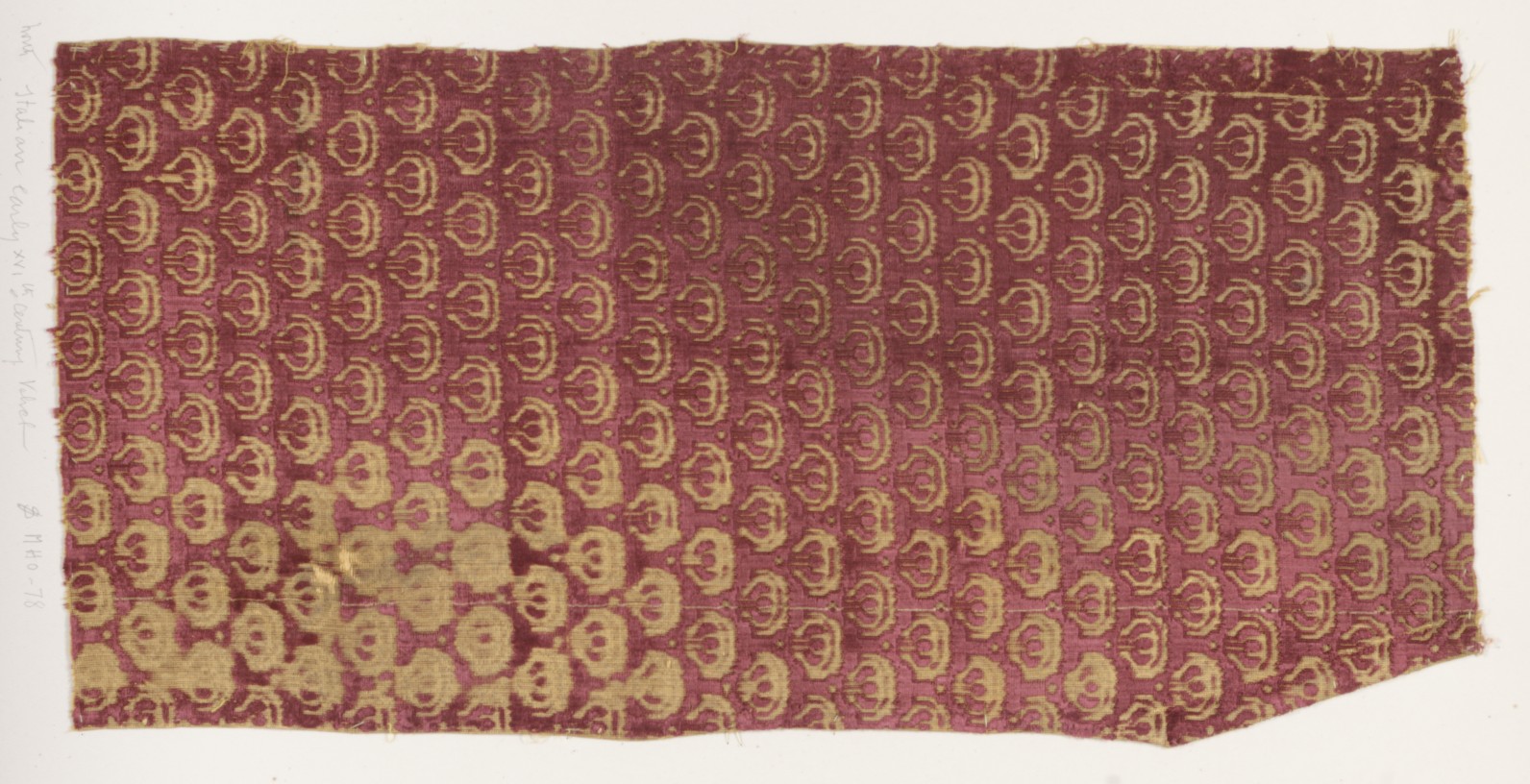
Fragment: A Couture Analysis of Heritage, Materiality, and Narrative in Silk and Metal
In the rarefied world of haute couture, where garments transcend mere clothing to become artifacts of cultural expression, Katherine Fashion Lab presents a singular study: Fragment. This piece, rooted in the intangible wealth of Global Heritage and rendered in the tactile dialogue of silk and metal thread, is not a standalone garment in the traditional sense but a conceptual exploration. It is a deliberate, unapologetic interrogation of incompleteness, a narrative woven from the threads of memory, loss, and the enduring power of craftsmanship. As Lead Curator, I position Fragment as a pivotal moment in contemporary couture—a thesis on how the fragment can be more potent than the whole, and how materiality itself becomes a vessel for cultural storytelling.
Deconstructing the Fragment: A Conceptual Foundation
The term “fragment” carries profound weight in art historical discourse, often evoking the broken remnants of classical antiquity—a shattered vase, a missing limb on a marble statue. In the context of Fragment, however, Katherine Fashion Lab subverts this association. The fragment is not a sign of decay but a deliberate act of creation. It is a curated absence, a silhouette that is intentionally incomplete, inviting the viewer to participate in its completion. The garment’s structure is asymmetrical, with one side appearing as a fully realized bodice while the other dissolves into raw, unhemmed edges and trailing threads. This is not a mistake; it is a philosophical statement on the nature of heritage itself. Global heritage is never whole—it is a mosaic of surviving pieces, reinterpreted memories, and gaps filled by imagination. Fragment embodies this truth, rejecting the false promise of a pristine, unbroken past in favor of an honest, fragmented present.
The choice of silk as the primary material is deliberate. Silk, with its luminous surface and fluid drape, has been a cornerstone of global trade and cultural exchange for millennia—from the Silk Road of ancient China to the royal courts of Europe and the vibrant textiles of Southeast Asia. In Fragment, the silk is not pristine; it is subtly distressed, with areas of deliberate wear and patina. This treatment references the passage of time and the physical traces left by generations of hands. The silk’s natural sheen catches light unevenly, creating a topography of shadows that mimics the uneven preservation of cultural artifacts. The fabric becomes a palimpsest, where layers of history are written and rewritten, never fully erased.
The Alchemy of Metal Thread: Structure and Symbolism
Interwoven with the silk is a fine metal thread, a material that introduces both structural integrity and symbolic depth. Historically, metal threads—whether gold, silver, or copper—have been reserved for garments of immense power and sanctity: the ceremonial robes of emperors, the vestments of high priests, the regalia of queens. In Fragment, the metal thread is not used for ostentatious embroidery but as a subtle, almost skeletal framework. It traces the garment’s internal seams, reinforcing the fragment’s edges like a delicate armature. This technique recalls the practice of kintsugi, the Japanese art of repairing broken pottery with gold lacquer, celebrating the breakage as part of the object’s history. Here, the metal thread does not hide the fragment’s incompleteness; it illuminates it, turning the raw edges into precious boundaries.
The interplay between silk and metal creates a dynamic tension. Silk is soft, yielding, and organic; metal is rigid, enduring, and industrial. This dialogue mirrors the central tension of Fragment as a standalone study: the conflict between ephemeral heritage and the desire for permanence. The metal thread, when touched, retains a cool temperature, offering a sensory contrast to the warmth of the silk. This haptic experience is essential to the piece’s impact. Couture is not merely visual; it is tactile, and Fragment demands engagement. The wearer—or the viewer—is invited to trace the metal lines, to feel the weight of history in the hand.
Global Heritage as a Living Archive
Katherine Fashion Lab’s invocation of Global Heritage is not an appropriation of specific motifs or patterns but a more nuanced engagement with the concept of heritage as a living, evolving archive. The garment’s silhouette borrows from no single culture; instead, it synthesizes elements from diverse traditions: the wrapped asymmetry of a Japanese kimono, the structural boning of a Victorian corset, the draped fluidity of a Grecian chiton. Yet these references are fragmented themselves—a sleeve here, a collar there—never fully realized. This is a deliberate critique of the “globalized” aesthetic that often flattens cultural specificity into a homogeneous style. Fragment resists this flattening by emphasizing the fractures between these references, forcing the viewer to recognize the gaps in understanding that occur when heritage is removed from its original context.
The color palette reinforces this theme. The silk is dyed in an undetermined neutral—a shade that hovers between ivory, parchment, and aged bone. This is the color of time itself, of documents yellowed by centuries, of marble weathered by rain. The metal thread, in contrast, is a muted bronze, not the bright gold of new wealth but the darkened patina of an ancient coin. Together, these hues evoke a museum vitrine, where artifacts are preserved yet isolated from their living cultures. Fragment challenges this preservationist impulse, suggesting that heritage must remain incomplete to remain alive. A fully restored garment is a dead object; a fragment, by its very nature, is open to interpretation and renewal.
Standalone Study: The Garment as Intellectual Thesis
Positioned as a standalone study, Fragment exists outside the traditional framework of a collection or season. It is not intended to be part of a narrative arc or a commercial line. Instead, it functions as a singular provocation—a couture essay that asks: What does it mean to wear heritage? How can a garment honor the past without being imprisoned by it? The answer, as Fragment demonstrates, lies in the embrace of imperfection. The piece’s construction is deliberately exposed: seams are visible, raw edges are left unfinished, and the metal thread occasionally pulls away from the silk, creating small loops that catch the light. These “imperfections” are not flaws but evidence of the hand. In an era of mass production and digital perfection, Fragment insists on the authenticity of the handmade—the slight irregularity that signals human intention.
From a curatorial perspective, Fragment demands to be displayed with space. It should not be crowded by other objects. A single mannequin, perhaps slightly tilted, with a spotlight that accentuates the contrast between silk and metal. The garment’s incomplete silhouette will cast a shadow that itself becomes part of the installation—a negative space that echoes the missing elements. Viewers should be encouraged to walk around the piece, to observe how the metal thread catches light from different angles, revealing new fragments of pattern. This is not a passive viewing experience; it is an active dialogue between object and observer.
Conclusion: The Enduring Power of the Fragment
In Fragment, Katherine Fashion Lab achieves what few couture houses dare to attempt: a garment that is intellectually rigorous yet emotionally resonant. By grounding the piece in the abstract concept of Global Heritage and executing it with the precise interplay of silk and metal thread, the Lab has created a work that transcends fashion and enters the realm of material philosophy. The fragment is not a loss; it is a liberation. It frees the garment from the tyranny of completeness and opens it to infinite interpretation. As a standalone study, Fragment stands as a testament to the power of couture to think, to question, and to remember—not as a pristine relic, but as a living, broken, beautiful thing. In its gaps and seams, we find not absence, but the profound presence of all that has been, and all that remains to be imagined.