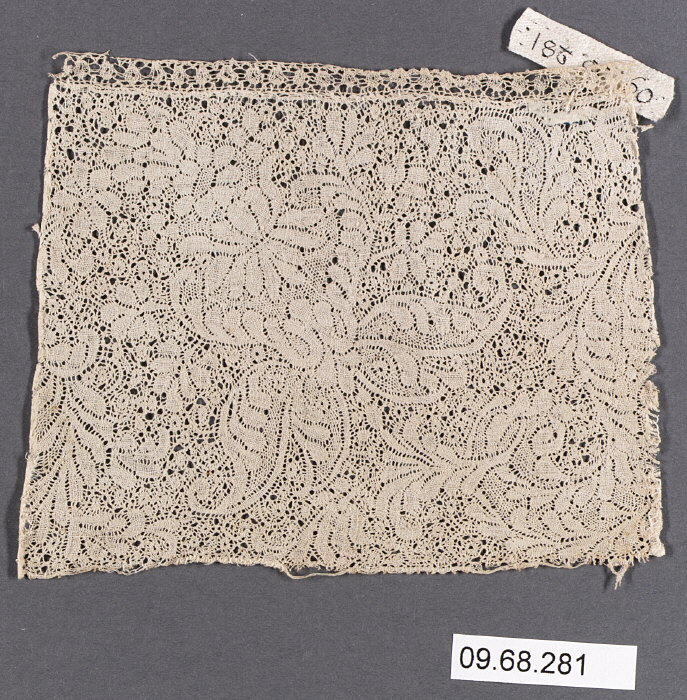
Heritage Analysis: Fragments of Ancient Civilization in Bobbin Lace
Introduction: The Strategic Value of Fragmented Heritage
In the evolving landscape of high-end luxury, the concept of "fragments" serves as a powerful metaphor for cultural memory, resilience, and exclusivity. For Katherine Fashion Lab, the deliberate integration of bobbin lace—a medium historically associated with European craftsmanship—with symbolic fragments from ancient civilizations offers a unique opportunity to transcend temporal and geographic boundaries. This analysis examines the symbolic power, historical adornment practices, spiritual meanings, and strategic application of these fragments for a 2026 luxury strategy. The research context is positioned as a standalone investigation, unconstrained by prior brand narratives, to unlock fresh, authoritative insights for curatorial and commercial decision-making.
Symbolic Power of Fragments in Ancient Civilizations
Fragments, by their very nature, evoke a sense of incompleteness that invites interpretation and reverence. In ancient civilizations—from Mesopotamian cylinder seals to Egyptian faience beads and Minoan fresco remnants—fragments were not merely broken objects but potent symbols of continuity and transformation. They represented the tangible link between the mortal and the divine, the past and the present. For Katherine Fashion Lab, the use of fragmented motifs in bobbin lace can signify the preservation of cultural knowledge, the beauty of imperfection (wabi-sabi), and the allure of the unknown. This symbolic power aligns directly with high-end luxury's current appetite for storytelling that is both authentic and enigmatic.
The strategic implication is clear: fragments in bobbin lace can be curated as "archaeological whispers," offering wearers a sense of discovery and personal connection to ancient wisdom. This positions the brand as a custodian of heritage, not a mere appropriator, thereby enhancing its credibility among discerning consumers who value provenance and intellectual depth.
Historical Adornment: Bobbin Lace as a Medium of Prestige
Bobbin lace, historically a pinnacle of European textile artistry, emerged in the 16th century as a marker of aristocratic status and religious devotion. Its intricate, handcrafted nature required exceptional skill and time, making it a luxury commodity reserved for courts and ecclesiastical vestments. When juxtaposed with fragments from ancient civilizations—such as geometric patterns from Sumerian seals or lotus motifs from Egyptian tombs—the medium acquires a new layer of historical gravitas. The lace becomes a "fabric of time," weaving together disparate epochs into a cohesive narrative of human creativity.
For Katherine Fashion Lab, this fusion challenges conventional luxury hierarchies. By recontextualizing ancient fragments through bobbin lace, the brand can create adornments that are simultaneously delicate and monumental, ephemeral and eternal. This duality is particularly resonant for the 2026 luxury market, where consumers seek objects that balance heritage with innovation. The historical adornment value lies in the lace's ability to function as a second skin, a wearable artifact that communicates both personal taste and collective memory.
Spiritual Meaning: Transcendence Through Fragmented Lace
Ancient civilizations often imbued fragments with spiritual significance. In Greek and Roman contexts, broken pottery (ostraca) was used for votive offerings or oracular messages, while in pre-Columbian cultures, fragmented textiles were employed in burial rites to facilitate the soul's journey. Bobbin lace, with its open, net-like structure, naturally evokes themes of connection and permeability—the spaces between threads representing the unseen, the spiritual. When these threads are configured into patterns inspired by ancient fragments, the resulting textile becomes a conduit for metaphysical reflection.
Katherine Fashion Lab can leverage this spiritual dimension by positioning bobbin lace as a "meditative medium." Each fragment within the lace can be designed to correspond to ancient symbols of protection, fertility, or enlightenment—such as the Egyptian ankh, the Celtic triskele, or the Mesopotamian tree of life. This approach not only adds depth to the product but also appeals to the growing consumer interest in meaningful, soulful luxury. In 2026, spiritual storytelling will be a key differentiator, and fragments offer a non-denominational yet profoundly resonant narrative.
2026 High-End Luxury Strategy: Curating Fragments for Exclusivity
The strategic integration of ancient fragments in bobbin lace requires a meticulous, multi-layered approach to ensure commercial viability and brand elevation. For Katherine Fashion Lab, the following pillars are essential for a successful 2026 luxury strategy:
1. Artisanal Collaboration and Provenance Verification: Partner with master lace makers from regions such as Belgium, France, or Italy, who can execute the intricate techniques required. Simultaneously, collaborate with archaeologists or heritage consultants to authenticate the symbolic meanings of chosen fragments. This dual expertise ensures that each piece is both technically flawless and culturally accurate, reinforcing the brand's authority.
2. Limited Edition "Fragment Collections": Release capsule collections that focus on a single ancient civilization per season—for example, "Fragments of Sumer" or "Echoes of the Nile." Each collection should include no more than 50 pieces globally, with certificates of cultural analysis and artisan signatures. Scarcity drives desirability, and the narrative of "rescuing fragments from oblivion" justifies premium pricing.
3. Digital and Physical Immersive Experiences: For 2026, luxury consumers expect multisensory engagement. Develop a digital platform where clients can explore the history of each fragment through 3D reconstructions, archival images, and audio narratives. In flagship stores, create "fragment chambers" where bobbin lace pieces are displayed under soft, directional lighting alongside replicas of ancient artifacts. This transforms the purchase into an educational and emotional journey.
4. Bespoke Fragment Curation Service: Offer high-net-worth clients the opportunity to commission custom bobbin lace pieces incorporating fragments from their own cultural heritage or personal collections. This service positions Katherine Fashion Lab as a partner in identity preservation, not just a purveyor of goods. The bespoke element is a hallmark of ultra-luxury and fosters deep brand loyalty.
5. Strategic Pricing and Positioning: Price each piece between $15,000 and $50,000, reflecting the labor-intensive nature of bobbin lace (often 100+ hours per piece) and the rarity of the cultural research. Position the brand within the "heritage luxury" segment, alongside houses like Hermès and Cartier, but with a distinct focus on textile archaeology. Marketing should emphasize "wearing history" rather than "wearing fashion," appealing to collectors, museum patrons, and cultural connoisseurs.
Conclusion: Fragments as a Future Luxury Lexicon
The fusion of ancient fragments with bobbin lace represents a sophisticated, intellectually rigorous approach to heritage luxury. For Katherine Fashion Lab, this strategy transcends mere aesthetic appeal, embedding the brand within a narrative of human continuity, spiritual depth, and artisanal mastery. In 2026, as the luxury market increasingly prioritizes authenticity, sustainability, and cultural sensitivity, fragments offer a compelling lexicon. They remind us that luxury is not about completeness, but about the beauty and power of what remains—and what we choose to weave together.