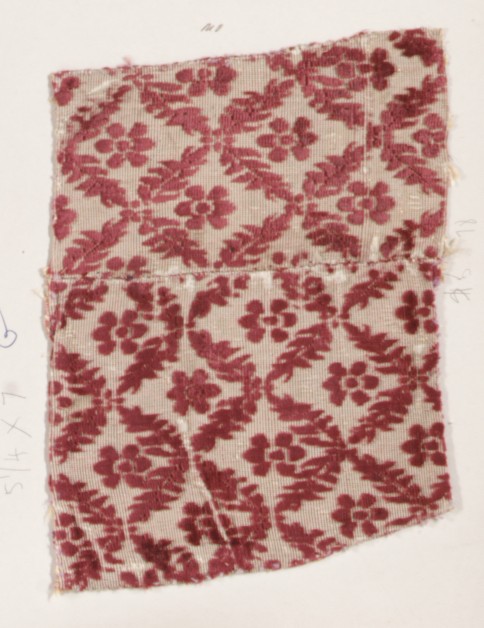
Deconstructing the Fragment: A Couture Analysis of Katherine Fashion Lab’s Global Heritage Study
In the rarified air of haute couture, where fabric is not merely cloth but narrative, Katherine Fashion Lab has long distinguished itself as a laboratory of cultural synthesis. The subject of this standalone study—titled “Fragment”—offers a profound meditation on the poetics of incompleteness. Drawing from a wellspring of Global Heritage and executed in the tactile dialogue between silk and metal thread, this piece transcends mere garment construction to become a thesis on memory, dislocation, and the aesthetic power of the partial. This analysis deconstructs the couture piece through its conceptual framework, material orchestration, and the silent architecture that binds them.
Conceptual Architecture: The Fragment as a Global Lexicon
The term “fragment” in this context is not a concession to imperfection but a deliberate design philosophy. Katherine Fashion Lab positions the fragment as a vessel for multiple, layered histories. The design eschews a singular, monolithic silhouette in favor of a composition that suggests a garment retrieved from time—a relic of a civilization that never was, yet feels intimately familiar. This is achieved through a patchwork of visual references that span continents: a sleeve cut that echoes the asymmetrical drapes of a Japanese kimono, a bodice panel that recalls the geometric precision of Islamic tilework, and a train that unfurls with the fluidity of a Roman toga, but is abruptly severed as if by an unseen force.
The fragment, therefore, becomes a global lexicon. It speaks of migration, of trade routes, of cultures colliding and reforming. The piece does not attempt to synthesize these influences into a harmonious whole; rather, it celebrates the friction. The seams are visible, the transitions abrupt. This is a deliberate rejection of the “melting pot” metaphor in favor of a mosaic—where each shard retains its original character while contributing to a new, complex image. The wearer is not adorned; they become a curator of cultural shards, a living archive of global aesthetics in a state of beautiful disrepair.
Materiality: The Dialogue Between Silk and Metal Thread
The material selection is the crux of this couture study. Silk, with its ancient lineage from the Silk Road, represents the organic, the fluid, and the historical. It is the medium of luxury, of dynasties, of whispered elegance. In “Fragment,” the silk is not pristine. It is treated with subtle, uneven dyeing techniques that mimic the patina of age—fading in some areas, deepening in others. This creates a palimpsest effect, where the fabric seems to carry the ghost of previous colors, as if the garment has been buried and unearthed. The hand of the artisan is visible in the slight irregularities of the weave, a deliberate move to humanize the material and root it in a pre-industrial era of craftsmanship.
In stark contrast, the metal thread—a fine, almost ethereal wire of gold and silver alloy—introduces a language of structure and permanence. It is not used for overt embellishment but as a structural skeleton. The metal thread is woven into the silk in patterns that mimic the cracks of a shattered vase or the fissures in a geological core sample. These metallic veins run through the garment like lightning, holding together the fragile silk while simultaneously threatening to tear it apart. This tension between the supple and the rigid, the ephemeral and the eternal, is the piece’s kinetic core.
The interplay of these materials creates a tactile paradox. The silk invites touch with its soft, yielding surface, while the metal thread resists, offering a cool, unyielding counterpoint. When the piece moves, the metal threads catch the light, creating a shimmering, broken reflection that shifts with the wearer’s gesture. This is not the uniform sparkle of sequins but a fractured, kaleidoscopic luminosity—a visual echo of the fragmentary concept. The weight of the garment is uneven, with the metal thread concentrated in the bodice and the silk cascading freely in the train, creating a dynamic tension that is both physical and symbolic.
Structural Analysis: The Unfinished Silhouette
The silhouette of “Fragment” is a study in controlled asymmetry. The left shoulder is entirely bare, a clean, sharp line that suggests a missing sleeve—a deliberate amputation. The right shoulder is built up with a layered, origami-like structure of silk and metal thread that rises to a point, evoking a ceremonial armor. The waist is cinched not by a belt but by a series of interlocking metal thread knots that form a corset of memory, holding the torso in a rigid, architectural frame. Below the waist, the fabric splits into two distinct panels: one falls to the floor in a straight, columnar line, while the other is gathered and pinned at the hip, as if the construction was interrupted mid-drape.
This asymmetry is not random. It is a choreography of absence. The missing sleeve, the gathered panel, the uneven hem—each lacuna is a narrative prompt. The viewer is compelled to complete the silhouette in their mind, to imagine what was lost or what was never made. This engagement is the essence of the standalone study: the piece is not a finished object but a provocation for interpretation. The back of the garment is equally telling, where the metal thread forms a map-like network across the spine, suggesting a cartography of the body, a chart of invisible journeys.
Cultural Resonance: The Fragment as a Mirror of Modernity
In the broader context of contemporary fashion, “Fragment” resonates deeply with the zeitgeist of a world grappling with fragmented identities, digital disconnection, and the reclamation of heritage. Katherine Fashion Lab’s choice to root the piece in Global Heritage is a deliberate act of resistance against the homogenizing forces of fast fashion and cultural appropriation. By presenting the fragment as a primary aesthetic, the Lab argues that we are all composites of broken histories, that our identities are not seamless but beautifully stitched together from disparate sources.
The piece also engages with the ethics of preservation. The use of silk and metal thread—materials that are both durable and vulnerable—mirrors the tension between preserving cultural artifacts and allowing them to decay. The visible “cracks” in the metal thread are not flaws but testimonies of time. In an era where digital images are endlessly reproduced and sanitized, “Fragment” insists on the physical, the imperfect, the irreproducible. It is a garment that cannot be fully captured in a photograph; its true narrative unfolds only in the presence of light, movement, and the breathing body.
Conclusion: The Couture of Incompleteness
Katherine Fashion Lab’s “Fragment” is a masterclass in couture as critical discourse. By centering the fragment—the partial, the broken, the unfinished—the Lab elevates absence into a design principle. The interplay of silk and metal thread is not merely a material choice but a philosophical statement on the coexistence of fragility and strength. The global heritage references are not decorative but foundational, forming a new visual language that honors the past while refusing to be bound by it.
In this standalone study, the Fragment is not a loss but a liberation. It releases the designer, the wearer, and the viewer from the tyranny of completion. It invites us to see beauty in the rupture, to find coherence in the broken, and to wear our histories—however fragmented—with a defiant, luminous grace. This is couture that does not clothe the body; it unveils the soul of a world in pieces, stitching together a new, imperfect, and profoundly human whole.