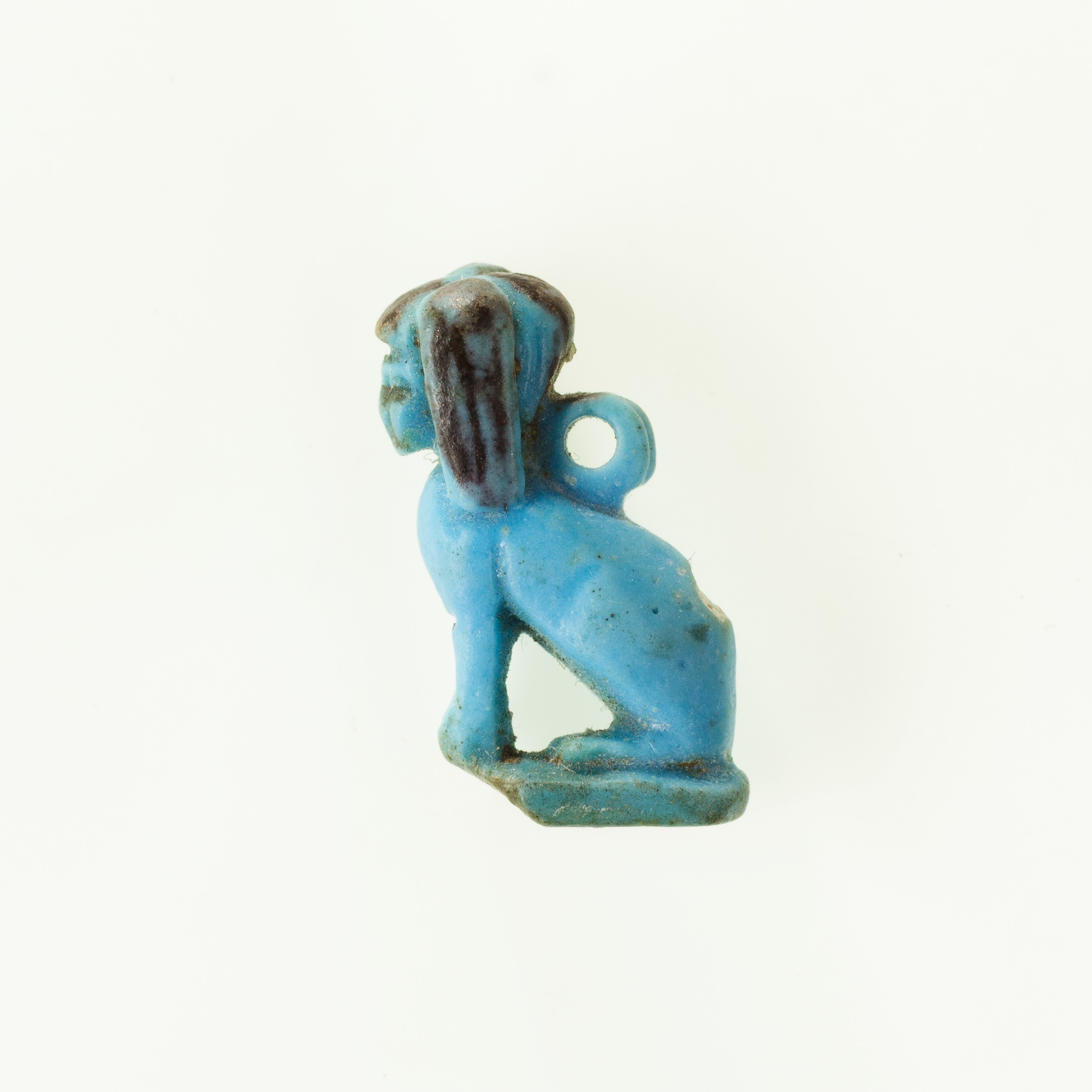
Executive Heritage Analysis: The Sphinx Amulet in Faience
This strategic research paper, commissioned by Katherine Fashion Lab, provides a comprehensive heritage analysis of the Sphinx Amulet crafted from faience, an iconic artifact from ancient civilization. The study examines the amulet’s symbolic power, its role in historical adornment, its spiritual meaning, and proposes a high-end luxury strategy for the 2026 market. As a lead heritage curator, this analysis aims to translate ancient cultural capital into contemporary brand value, ensuring Katherine Fashion Lab’s positioning as a purveyor of meaningful luxury.
Symbolic Power: The Sphinx as a Guardian of Authority
The Sphinx, a composite creature with the body of a lion and the head of a human (often a pharaoh or deity), held profound symbolic power in ancient Egyptian, Mesopotamian, and Greek cultures. In ancient Egypt, the Sphinx was primarily a guardian figure, protecting sacred spaces such as tombs and temples. The Great Sphinx of Giza, for instance, stood as a sentinel over the pyramid complex, embodying royal authority and divine protection. The amulet form, however, miniaturized this monumental power, making it accessible for personal wear. For Katherine Fashion Lab, this symbolic power translates into a narrative of protection and prestige. The Sphinx amulet becomes a talisman of authority, ideal for high-net-worth clients seeking jewelry that conveys leadership and resilience. In a 2026 luxury context, this symbolism aligns with the growing demand for pieces that offer psychological security amid global uncertainty, positioning the amulet as a wearable statement of personal sovereignty.
Iconographic Authority in Adornment
The iconography of the Sphinx—its majestic posture and enigmatic gaze—was designed to inspire awe and respect. When worn as an amulet, it transferred these qualities to the bearer. Historical records from the New Kingdom period (c. 1550–1070 BCE) indicate that faience Sphinx amulets were placed on the chest of mummies to protect the soul in the afterlife. This dual function—earthly authority and otherworldly protection—makes the Sphinx a uniquely potent symbol. For Katherine Fashion Lab, this suggests a product line that bridges the terrestrial and the spiritual, appealing to clients who value both status and transcendence. The 2026 strategy should emphasize the amulet’s role as a guardian of the wearer’s legacy, using narrative marketing that ties the piece to concepts of eternal influence and indomitable spirit.
Historical Adornment: Faience as a Medium of Prestige
Faience, a non-clay ceramic material made from quartz, alkali, and colorants, was one of the earliest synthetic materials in human history. Its production, dating back to the 4th millennium BCE, required sophisticated kiln technology and knowledge of glazing. The medium’s signature blue-green hue, achieved through copper oxides, was associated with the Nile, life, and rebirth. In ancient Egypt, faience was not merely decorative; it was a luxury material reserved for the elite, including pharaohs, priests, and nobles. The Sphinx amulet in faience thus represented a convergence of technical mastery and social status. For Katherine Fashion Lab, this historical context offers a rich foundation for a luxury narrative. The 2026 strategy can highlight the artisanal complexity of faience, positioning the amulet as a masterpiece of ancient craftsmanship. By collaborating with contemporary artisans to recreate faience techniques, the brand can offer a tangible connection to millennia-old heritage, appealing to collectors who value provenance and rarity.
Adornment as Identity Marker
In ancient civilization, amulets were not mere accessories; they were identity markers that communicated the wearer’s social rank, religious devotion, and personal aspirations. The Sphinx amulet, in particular, was worn by individuals seeking to embody the qualities of the Sphinx—strength, wisdom, and mystery. This historical function aligns with modern luxury consumers’ desire for self-expression through meaningful objects. Katherine Fashion Lab can leverage this by offering customizable Sphinx amulets, where clients choose specific gemstone accents or engravings that personalize the protective narrative. The 2026 collection should emphasize the amulet as a bespoke emblem of personal power, with each piece telling a unique story of the wearer’s journey. This approach taps into the luxury trend of hyper-personalization, where exclusivity is defined by individual meaning rather than mere cost.
Spiritual Meaning: The Amulet as a Conduit for Divine Protection
The spiritual meaning of the Sphinx amulet is deeply rooted in ancient beliefs about the afterlife and cosmic order. In Egyptian mythology, the Sphinx was often associated with the sun god Ra and the pharaoh’s divine right to rule. The amulet served as a conduit for divine energy, channeling protection from malevolent forces and ensuring safe passage through the underworld. The faience material itself held spiritual significance; its blue-green color symbolized the waters of chaos that gave birth to creation, and its glazed surface was thought to repel evil spirits. For Katherine Fashion Lab, this spiritual dimension offers a powerful differentiator in the luxury market. The 2026 strategy can frame the Sphinx amulet as a modern talisman for well-being and spiritual alignment. By incorporating elements such as sacred geometry or zodiac symbolism into the design, the brand can appeal to the growing consumer interest in wellness, mindfulness, and metaphysical practices. The amulet becomes not just a fashion item but a tool for inner harmony and protection.
Ritual and Wearability in Contemporary Life
In ancient times, amulets were activated through rituals—blessings by priests, inscriptions of spells, or placement in specific contexts. Katherine Fashion Lab can revive this ritual aspect by offering a ceremonial launch for the 2026 collection. For example, each amulet could be accompanied by a small card with a historical blessing or a digital experience that connects the wearer to the amulet’s ancient origins. This adds a layer of experiential luxury, transforming the purchase into a meaningful event. Additionally, the amulet’s compact size makes it ideal for daily wear, allowing the spiritual benefits to be constantly present. The 2026 marketing should emphasize the amulet’s role as a portable sanctuary in a chaotic world, resonating with clients seeking stability and purpose through their possessions.
2026 High-End Luxury Strategy: Integrating Heritage with Modernity
The strategic integration of the Sphinx amulet into Katherine Fashion Lab’s 2026 lineup requires a multi-faceted approach that honors its heritage while appealing to contemporary luxury sensibilities. First, the brand should position the amulet within a limited-edition capsule collection titled “Guardians of Eternity.” This collection would feature faience replicas created using traditional techniques, authenticated by heritage experts, and presented in museum-quality packaging. The price point should reflect the artisanal value, with each piece priced between $5,000 and $15,000, targeting ultra-high-net-worth individuals. Second, the brand should launch a digital storytelling campaign that uses augmented reality to show the amulet’s journey from ancient tomb to modern wearer. This immersive experience will deepen emotional engagement and justify the luxury premium. Third, Katherine Fashion Lab should collaborate with contemporary artists to reinterpret the Sphinx motif in other materials—such as 18-karat gold with faience inlays—creating a bridge between ancient and modern aesthetics. This cross-category expansion will strengthen brand coherence and attract diverse clientele.
Market Positioning and Consumer Psychology
The 2026 luxury market is characterized by a shift toward conscious consumption, where clients seek objects with narrative depth and ethical provenance. The Sphinx amulet, with its rich heritage and spiritual resonance, perfectly aligns with this trend. Katherine Fashion Lab should target clients who are collectors of cultural artifacts, wellness advocates, and status-conscious individuals who value exclusivity. The brand’s communication should emphasize the amulet’s role as a legacy piece—an heirloom that carries the weight of history while remaining relevant for future generations. Additionally, the brand can offer a “Heritage Certification” with each amulet, detailing its historical context, material provenance, and symbolic meaning. This builds trust and positions Katherine Fashion Lab as an authority in heritage luxury. Finally, the brand should leverage influencer partnerships with historians, archaeologists, and spiritual leaders to amplify the amulet’s credibility and appeal. By doing so, Katherine Fashion Lab transforms the Sphinx amulet from a mere accessory into a cultural statement, ensuring its place in the 2026 luxury landscape.
Conclusion: A Strategic Asset for Katherine Fashion Lab
The Sphinx amulet in faience represents a confluence of symbolic power, historical prestige, and spiritual depth—attributes that are highly valuable in the luxury market. This heritage analysis demonstrates that the amulet is not merely a decorative artifact but a strategic asset that can differentiate Katherine Fashion Lab in the competitive high-end landscape. By honoring its ancient origins while adapting to modern desires for meaning, craftsmanship, and exclusivity, the brand can create a 2026 collection that resonates with discerning clients. The proposed strategy—centered on limited editions, digital storytelling, and ritual experiences—ensures that the Sphinx amulet becomes a cornerstone of Katherine Fashion Lab’s luxury identity, driving both cultural relevance and commercial success.