Heritage Analysis: The Kimono as a Strategic Object for 2026 Luxury Positioning
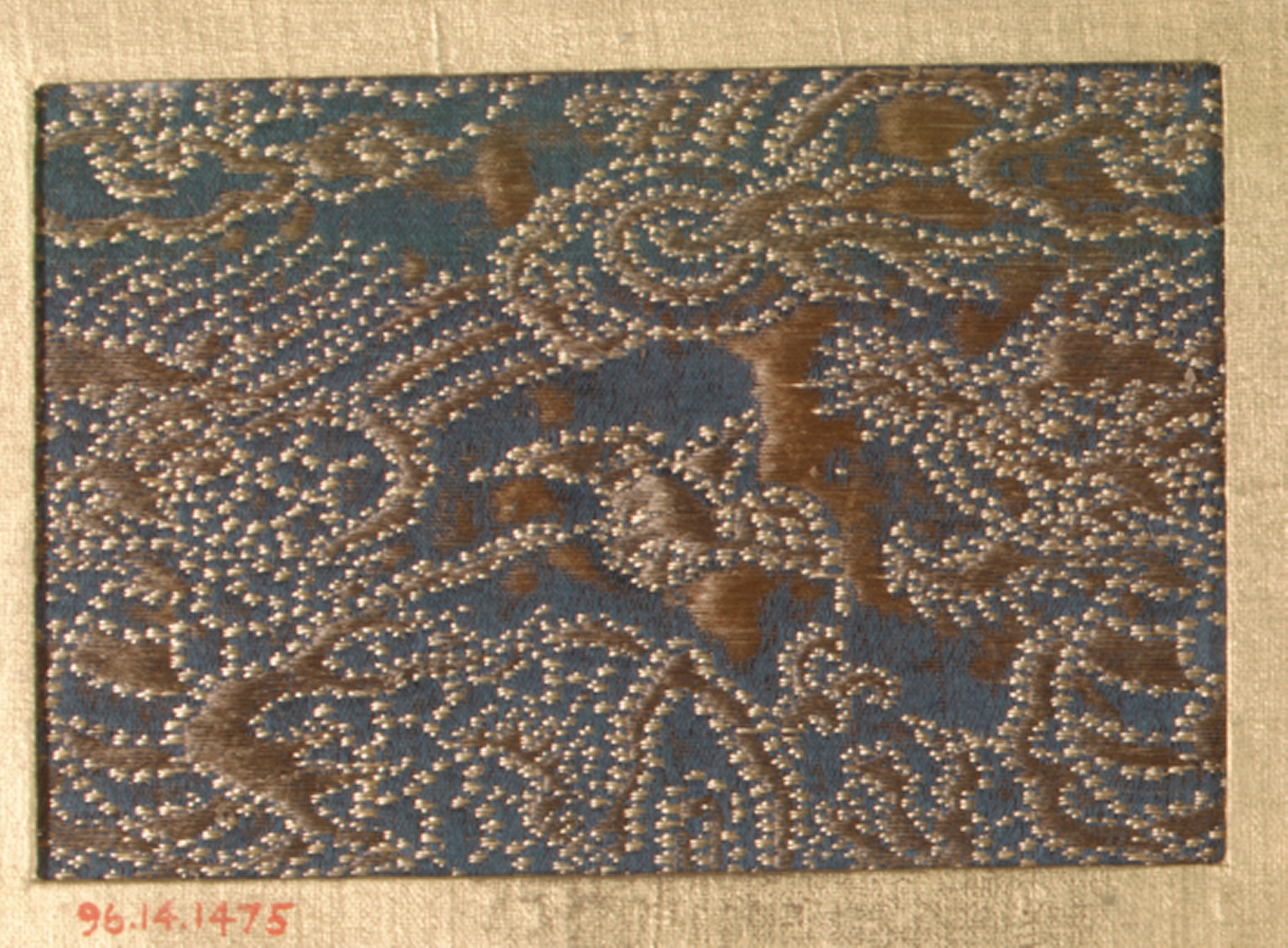
This research paper presents a comprehensive heritage analysis of the kimono, a traditional Japanese garment constructed from silk, as a subject for strategic standalone research by Katherine Fashion Lab. The kimono, meaning "thing to wear," transcends its functional role to embody a complex system of symbolic power, historical adornment, and spiritual meaning. For a high-end luxury brand preparing for the 2026 market, understanding these layered significances is not merely academic—it is a critical component of differentiation and narrative authenticity. This analysis will deconstruct the kimono’s cultural DNA and propose a strategic framework for its integration into a forward-looking luxury collection.
Symbolic Power: The Garment as a Social Lexicon
The kimono functions as a non-verbal language, encoding the wearer's identity, status, and intent through a precise grammar of pattern, color, and cut. In the Heian period (794–1185), the kasane no irome (layered color combinations) of the junihitoe (twelve-layered robe) communicated a court lady’s rank, seasonality, and even her poetic sensibility. Each layer’s hue was chosen to create a specific visual effect, visible only at the sleeve and collar, making the garment a private code for the initiated. This symbolic power was not static; it evolved through the Edo period (1603–1868), when sumptuary laws dictated fabric and color based on social class. Silk, as a medium, was reserved for the samurai elite and wealthy merchants, transforming the kimono into a marker of economic and political capital.
For modern luxury strategy, this symbolic architecture offers a powerful template. A 2026 collection can leverage the kimono’s inherent semiotics by using motif-based storytelling. For instance, the crane (tsuru) symbolizes longevity and good fortune, while the pine (matsu) represents resilience. Rather than merely replicating these motifs, a luxury brand can encode them into the garment’s construction—embroidery, jacquard weaving, or even the placement of seams—creating a layered narrative that rewards connoisseurship. This transforms the purchase from a commodity into an artifact of personal identity, aligning with the 2026 consumer’s desire for meaningful, non-obvious luxury.
Historical Adornment: The Evolution of Craft and Status
The kimono’s historical trajectory is a study in the tension between tradition and innovation. Its origins lie in the Chinese hanfu, but by the Muromachi period (1336–1573), the garment had evolved into a T-shaped, straight-seamed form that defined Japanese aesthetics for centuries. The medium of silk was central to this evolution. Kinu (raw silk) and habutae (a lightweight silk crepe) were prized for their luster and drape, while techniques like yuzen (hand-painted dyeing) and shibori (tie-dyeing) elevated the kimono to an art form. The Edo period saw the rise of the obi (sash) as a status symbol, with elaborate brocades and gold thread signifying wealth. By the Meiji Restoration (1868), the kimono faced competition from Western dress, yet it persisted as a ceremonial garment, particularly for weddings, funerals, and the coming-of-age ceremony (seijin shiki).
For Katherine Fashion Lab, this historical arc presents a strategic opportunity. The 2026 luxury consumer is increasingly interested in heritage craftsmanship as a counterpoint to mass production. A collection that directly references the kimono’s construction—its straight seams, the absence of buttons, the reliance on the obi for closure—can be positioned as a study in restraint and precision. However, the strategy must avoid mere historicism. Instead, the brand can reinterpret these elements through a modern lens: using silk in innovative weaves (e.g., double-faced silk for reversible garments) or deconstructing the kimono’s silhouette into modular, wearable pieces. This approach honors the historical lineage while asserting contemporary relevance.
Spiritual Meaning: The Garment as a Vessel
Beyond its social function, the kimono carries profound spiritual significance rooted in Shinto and Buddhist traditions. The garment is often seen as a yorishiro—an object capable of attracting spirits. This is most evident in the white shiro-muku kimono worn by brides, symbolizing purity and the bride’s readiness to be "dyed" by her new family’s traditions. Similarly, the kuro-tomesode, a black kimono with five family crests (mon), is worn by married women at formal ceremonies, representing ancestral continuity. The act of wearing a kimono is itself a ritual; the left side is always folded over the right, as the reverse is reserved for dressing the deceased. This attention to orientation and layering imbues the garment with a sacred geometry.
For a 2026 luxury strategy, this spiritual dimension offers a pathway to emotional resonance. The modern luxury consumer, particularly in the post-pandemic era, seeks objects that provide a sense of grounding and intention. A collection that references the kimono’s spiritual aspects—through the use of sacred motifs like the shimenawa (sacred rope) or kagami (mirror)—can position the brand as a curator of meaning. However, this must be executed with cultural sensitivity. The brand should collaborate with Japanese artisans and scholars to ensure that the spiritual references are not commodified but rather presented as part of a respectful dialogue. For instance, a garment could feature a subtle mon (crest) that is personalized for the buyer, transforming the piece into a talisman of individual identity.
2026 High-End Luxury Strategy: From Heritage to Hyper-Luxury
The kimono’s heritage provides a robust foundation for a 2026 luxury strategy that prioritizes scarcity, narrative, and experiential value. The following strategic pillars are recommended for Katherine Fashion Lab:
Pillar 1: Craft-Based Scarcity
Silk production in Japan has declined sharply, with only a handful of master weavers remaining. A luxury strategy should capitalize on this scarcity by sourcing silk from heritage ateliers in Kyoto or Nishijin, where obi weaving techniques have been preserved for centuries. Each piece should be limited to a single run, with a certificate of provenance detailing the artisan’s lineage and the silk’s origin. This aligns with the 2026 trend toward "investment pieces" that appreciate in value.
Pillar 2: Symbolic Customization
Building on the kimono’s symbolic language, the brand can offer a bespoke service where clients select motifs, colors, and layering combinations that reflect their personal narratives. This could be facilitated through a digital interface that maps the client’s life events (e.g., birth, marriage, career milestones) to traditional symbols. The result is a garment that functions as a personal archive, elevating it beyond fashion into heirloom status.
Pillar 3: Ritual-Based Experience
The act of wearing a kimono is inherently slow and deliberate, requiring assistance for dressing and adjustment. A 2026 luxury experience can replicate this through ritualized retail. For example, the brand could host private appointments where clients are dressed in the garment by a trained stylist, accompanied by a tea ceremony or incense ritual. This transforms the purchase into an immersive event, creating lasting brand memory.
Pillar 4: Digital-Physical Integration
To appeal to the 2026 consumer’s hybrid lifestyle, the brand can develop a digital twin of each kimono, viewable via augmented reality. This allows clients to experience the garment’s layering and symbolic details in a virtual space before committing to the physical piece. The digital version can also be used for social sharing, extending the brand’s reach without diluting exclusivity.
Conclusion: The Kimono as a Strategic Asset
The kimono, as a subject of heritage analysis, reveals itself to be far more than a garment. It is a repository of symbolic power, a testament to historical craftsmanship, and a vessel for spiritual meaning. For Katherine Fashion Lab, the challenge and opportunity lie in translating these attributes into a 2026 luxury strategy that respects the source while innovating for a global audience. By focusing on craft-based scarcity, symbolic customization, ritualized experience, and digital integration, the brand can position the kimono not as a nostalgic relic, but as a dynamic object of hyper-luxury. This approach ensures that the heritage is not merely preserved—it is reimagined for a new era of discerning consumers.