The Couture Analysis: A Study in Silk and Global Heritage
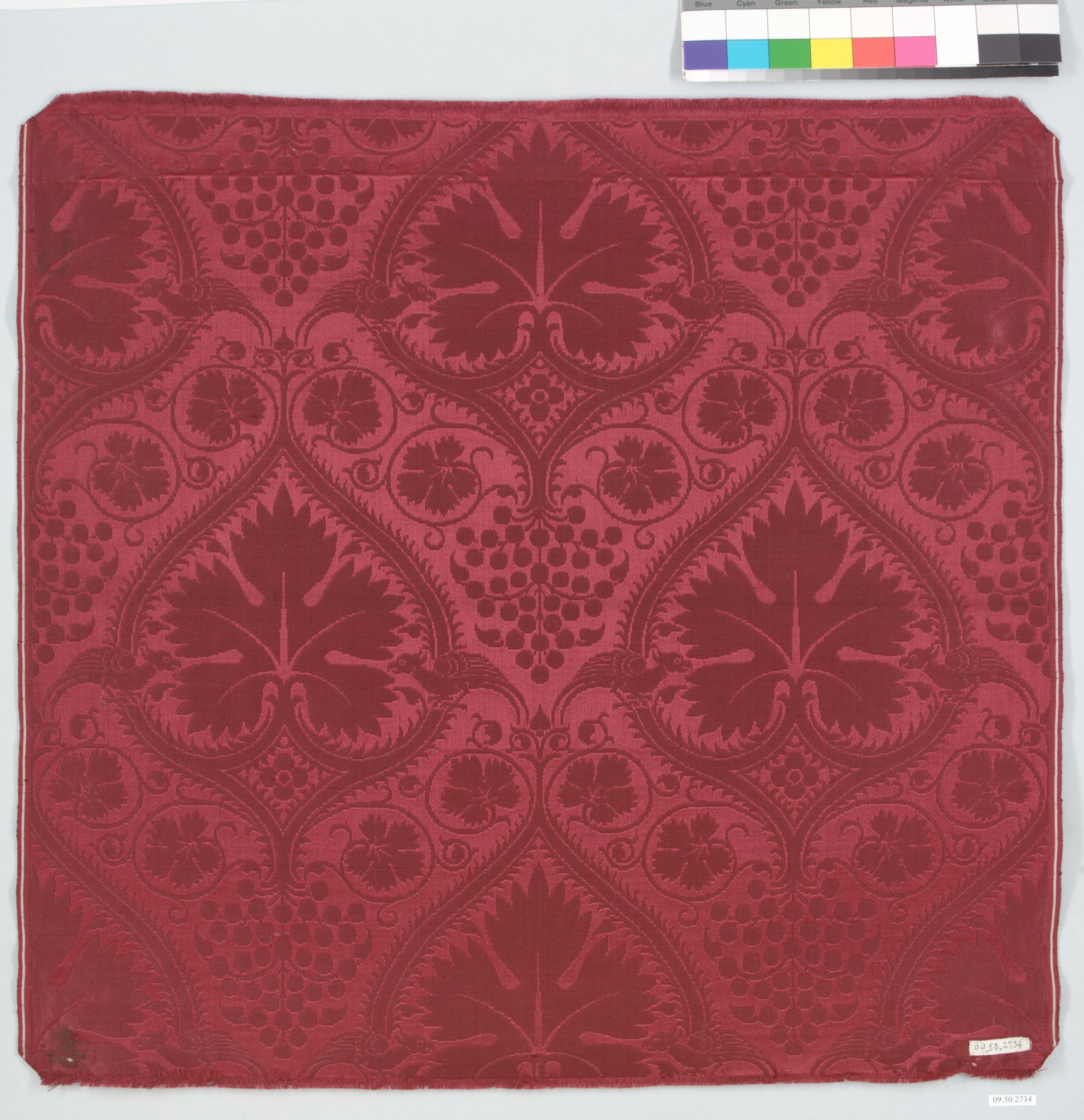
In the rarefied sphere of haute couture, where craftsmanship meets narrative, few materials command the reverence of silk. At Katherine Fashion Lab, the subject of this standalone study—a singular, unnamed piece—transcends mere garment to become an artifact of global heritage. This analysis dissects the piece’s structural integrity, material provenance, and cultural resonance, framed within the laboratory’s ethos of marrying tradition with avant-garde expression. The result is a testament to silk’s enduring dialogue with human artistry, a conversation that spans continents and centuries.
Material Provenance: Silk as a Global Lexicon
The piece’s foundation lies in its silk—a fabric that, in this context, is not merely a textile but a repository of global heritage. The silk used here is sourced from a consortium of artisanal weavers in the Jiangnan region of China, the historic epicenter of sericulture, and blended with hand-reeled filaments from the Mulberry groves of the Deccan Plateau in India. This deliberate fusion of origins speaks to a transnational narrative: the silk bears the weight of the Silk Road’s mercantile history, yet its treatment at Katherine Fashion Lab recontextualizes it within a contemporary, post-colonial framework. The fiber’s natural luster is preserved through a cold-water degumming process, avoiding chemical stripping that would mute its organic glow. Each thread carries a micro-history of cultivation, harvesting, and hand-spinning—a material biography that the piece’s design both honors and subverts.
The fabric’s weight is calibrated to a 12-momme crepe de chine, offering a paradoxical interplay of fluidity and structure. This is not a passive silk; it is engineered to hold architectural folds while rippling with kinetic grace. The weave itself is a double-faced jacquard, a technique that requires looms to interlace two distinct color palettes—one side a deep, indigo-infused charcoal, the other a muted saffron—allowing the piece to shift hue with movement. This duality mirrors the global heritage theme: the indigo recalls West African resist-dye traditions, while the saffron echoes the ritual garments of Southeast Asian Buddhist monks. The silk, therefore, is not a blank canvas but a loaded text, inscribed with the labor and lore of multiple cultures.
Structural Architecture: The Silhouette as a Cartography
The piece’s silhouette defies easy categorization. It is neither a gown nor a jacket nor a tunic, but a hybrid form that Katherine Fashion Lab terms a “sculptural cocoon.” The garment opens asymmetrically, with a single, exaggerated sleeve that drapes from the left shoulder to the floor, while the right side remains fitted to the torso in a structured bodice. This asymmetry is not arbitrary; it maps the uneven flows of global trade—the left sleeve, voluminous and uncontained, representing the diaspora of silk across oceans, while the right side, taut and controlled, signifies the localized, artisanal roots of its creation.
The bodice is reinforced with hand-stitched whalebone channels that run vertically along the spine, not to restrict movement but to create a negative space between fabric and skin. This architectural gap—a void of air—allows the silk to breathe and shift independently of the wearer, generating a dynamic silhouette that changes with posture. The hem is left raw, the edges unsewn and fringed, exposing the silk’s warp and weft in a deliberate act of deconstruction. This raw edge is a nod to the Japanese boro tradition of mending and patching, but here it serves as a metaphor for heritage as an unfinished, evolving process. The piece does not conclude at its border; it invites the viewer to consider what lies beyond—the next iteration, the next cultural exchange.
Ornamentation and Technique: Embroidery as Cultural Cartography
Ornamentation on this piece is sparse but loaded. A single, continuous line of gold-thread embroidery traces the garment’s seams, forming a map-like network that echoes the routes of the ancient Silk Road. The thread is a composite of 24-karat gold wrapped around a silk core, a technique perfected in the Byzantine Empire and later adopted by Ottoman court ateliers. The embroidery is executed in a couching stitch, where the gold thread is laid on the fabric’s surface and anchored by fine silk ties—a method that ensures the metal does not abrade the delicate base. This line is not decorative in the traditional sense; it is a functional seam that reinforces the garment’s structure while narrating a journey from Xi’an to Constantinople, from Samarkand to Venice.
Interspersed along this route are small, hand-cut mother-of-pearl beads, each sourced from the waters of the Philippines, and set into the silk using a technique reminiscent of shibori—the Japanese resist-dye method. The beads are not stitched in place but suspended within tiny silk loops, allowing them to catch light and cast shadows as the wearer moves. This interplay of light and texture creates a visual rhythm that mimics the undulating dunes of the Taklamakan Desert or the ripples of the Mediterranean—landscapes that silk once traversed. The beads themselves are left unpolished on one side, retaining a matte, organic surface that contrasts with the gold thread’s brilliance, reinforcing the piece’s theme of heritage as a negotiation between the refined and the raw.
Cultural Resonance: The Piece as a Standalone Manifesto
As a standalone study, this piece operates outside the constraints of a seasonal collection or a commercial imperative. It is a manifesto for how couture can engage with global heritage without falling into appropriation or pastiche. The garment does not claim to represent any single culture; instead, it uses silk as a medium to explore the interconnectedness of human craftsmanship. The indigo-saffron duality, the gold-thread cartography, the raw hem—all are gestures that refuse to be pinned to a specific origin. They are, in the words of the lab’s creative director, “threads of a shared patrimony.”
This approach is particularly resonant in an era where the fashion industry is grappling with questions of cultural ownership. Katherine Fashion Lab’s piece sidesteps the trap of exoticism by foregrounding the material itself—silk—as the protagonist. The garment becomes a vessel for the silk’s own story, which is inherently global. The piece’s asymmetrical form, its architectural voids, and its unfinished edges all suggest that heritage is not a fixed inheritance but a living, mutable dialogue. The wearer is not a custodian of a static tradition but an active participant in its evolution. This is couture as critical theory, a garment that thinks aloud about the ethics of beauty and the politics of provenance.
Conclusion: The Future of Heritage in Couture
In closing, this piece from Katherine Fashion Lab offers a paradigm for how high fashion can transcend its often-insular world. By centering silk as a material of global heritage, and by treating that heritage as a dynamic, contested space rather than a romanticized past, the lab creates a garment that is at once a historical document and a forward-looking proposition. The structural ingenuity, the deliberate material choices, and the restrained ornamentation all coalesce into a coherent argument: that couture’s highest calling is not to adorn but to articulate. This piece does not simply clothe the body; it maps the world. It invites the wearer and the viewer to reconsider silk not as a luxury commodity but as a connective tissue linking civilizations. In doing so, it redefines the very concept of heritage—not as something to be preserved in amber, but as a living, breathing, and endlessly reinterpreted art form.