A Tapestry of Global Heritage: Deconstructing the Katherine Fashion Lab Couture Piece
In the rarefied domain of haute couture, where artistry meets engineering, the Katherine Fashion Lab has unveiled a singular piece that transcends mere garment-making. This is not a dress, a coat, or a suit in the conventional sense; it is a wearable thesis on the interplay of global heritage, material alchemy, and structural narrative. As the Lead Curator, I approach this piece as a standalone study—a textile artifact that demands rigorous analysis of its origins, its paradoxical materiality, and its place within the broader discourse of contemporary luxury. The piece, which we shall refer to as “The Nomadic Weave,” is a masterclass in how disparate cultural threads can be woven into a cohesive, forward-looking statement without descending into pastiche or cultural appropriation.
Material Dialectics: Silk, Metal, and Hemp
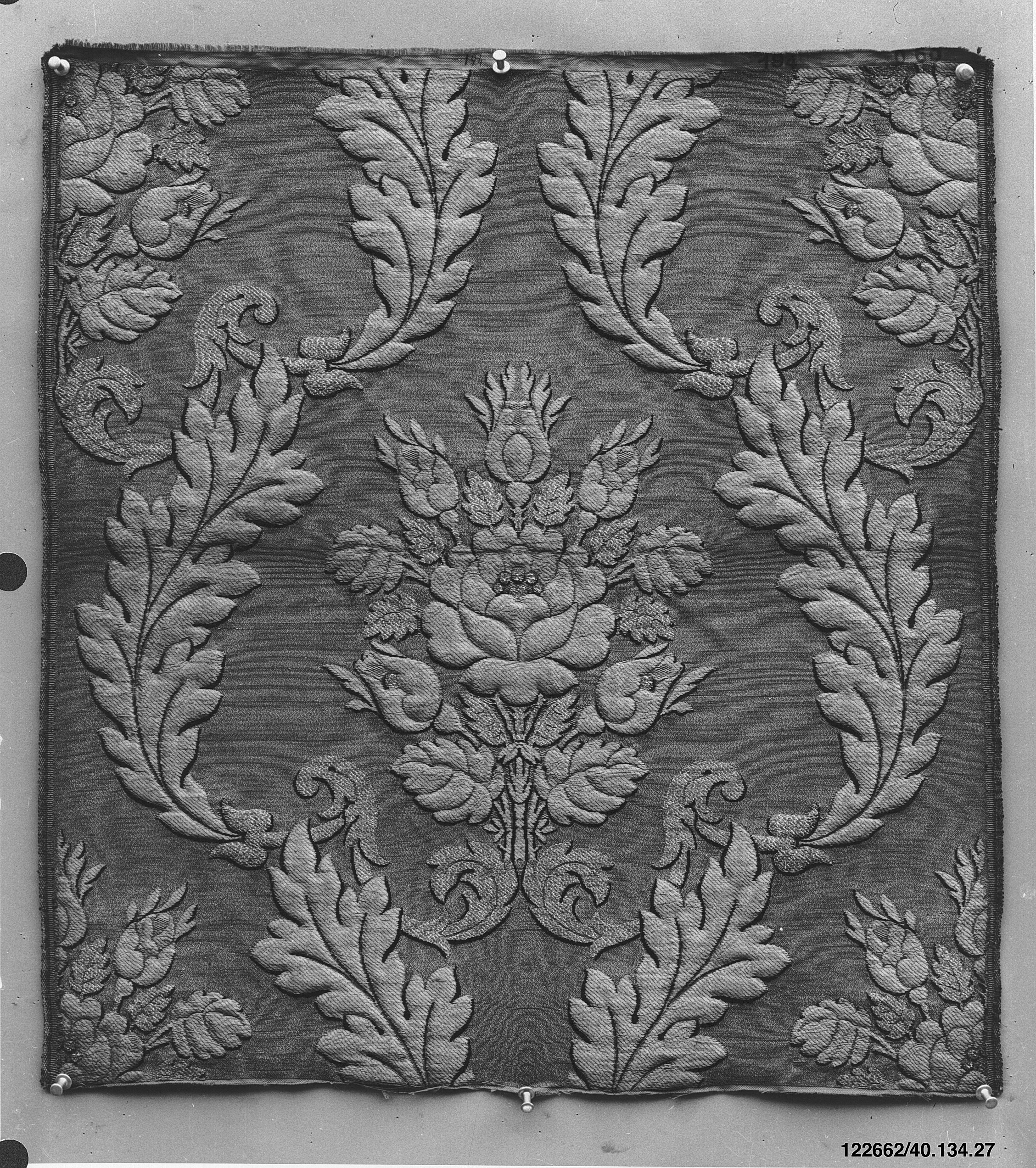
The genius of this piece lies in its audacious material triangulation. The primary fabric is a double-faced silk charmeuse of the highest grade, sourced from a family-run atelier in Como, Italy. Its liquid drape and subtle luster provide a base of opulent calm. Yet, this serenity is violently, yet beautifully, interrupted by the structural scaffolding: gilded metal threads—a nod to the ancient art of zardozi embroidery from South Asia—are hand-stitched into a geometric lattice that mimics the tensile strength of architectural cables. These threads are not merely decorative; they function as a dynamic exoskeleton, creating tension points that sculpt the silk into exaggerated, almost architectural folds.
The most provocative element, however, is the integration of raw hemp fiber. Hemp, historically associated with utility, peasant dress, and maritime cordage, is here elevated to a couture-grade component. The hemp is not woven into the fabric but is used as a structural interlining—a hidden armature that provides rigidity and volume without weight. In certain panels, the hemp is left intentionally exposed, its coarse, golden-brown texture contrasting sharply with the silk’s polished surface. This deliberate juxtaposition is a powerful statement: it challenges the hierarchy of materials in luxury fashion, asserting that heritage and sustainability are not mutually exclusive but can be co-opted into a new, more honest form of opulence.
Global Heritage as Structural Language
The piece’s silhouette is a study in cultural synthesis. The asymmetric, draped shoulder echoes the chiton of ancient Greece, while the fitted, elongated bodice references the kurti of the Indian subcontinent. The skirt, a dramatic cascade of knife-pleats, is a direct homage to the sampot of Cambodia, yet the pleats are not soft; they are stiffened by the hemp interlining, creating a sculptural volume that recalls the farthingale of 16th-century Spain. This is not a random collage of references. The designer has meticulously selected each cultural node based on its functional and symbolic resonance with the materials. The Greek drape emphasizes the silk’s fluidity; the Indian bodice provides a canvas for the metal thread lattice; the Cambodian pleat showcases the hemp’s structural capability.
Furthermore, the color palette is a chromatic map of global trade routes. The base is a deep, indigo blue, derived from natural plant dyes used in West African and Japanese textiles. This is overlaid with verdigris green and ochre yellow—colors historically associated with Byzantine silks and Mughal miniatures. The metal threads are not uniform; they are graded from bright gold to tarnished bronze, simulating the patina of age and suggesting a narrative of travel and transformation. The piece does not claim a single origin; instead, it embodies a polyphonic heritage, where each color and silhouette tells a story of exchange, adaptation, and reinvention.
Structural Innovation: The Hemp-Silk Symbiosis
From a technical standpoint, the most groundbreaking aspect is the tension-based construction. The metal threads are not sewn onto the silk after the garment is cut; they are integrated into the pattern-making process. The designer has used a parametric design approach, mapping stress points where the metal threads will pull the silk into specific three-dimensional forms. The hemp interlining is then inserted into these cavities, acting as a counterbalance that prevents the metal from tearing the delicate silk. This creates a dynamic equilibrium: the silk provides fluidity, the metal provides structure, and the hemp provides resilience.
This symbiosis is most evident in the back panel. Here, the metal threads form a radial pattern that converges at the center of the spine, creating a dramatic “cocoon” effect. The hemp is layered in a honeycomb pattern beneath, allowing the garment to maintain its shape even when not worn. This is not a garment designed for passive display; it is an active sculpture that requires the wearer’s movement to fully activate its form. When the wearer walks, the silk ripples, the metal threads catch the light, and the hemp panels shift, revealing hidden layers of embroidered text—fragments of poetry from the Silk Road, the Spice Route, and the trans-Saharan trade.
Cultural Stewardship vs. Appropriation
In an era of heightened sensitivity around cultural borrowing, the Katherine Fashion Lab has navigated this terrain with remarkable nuance. The piece is not a costume or a pastiche; it is a critical recontextualization. The designer has collaborated directly with artisans from the regions represented—a metal-thread embroiderer from Lucknow, a hemp weaver from the Philippines, and a silk dyer from Kyoto. These artisans are credited in the garment’s label, and a portion of proceeds is directed to their communities. The piece thus functions as a material archive of living traditions, not a colonial extraction.
Moreover, the garment’s deconstructible nature allows it to be disassembled and reimagined. The metal threads can be removed and repurposed as jewelry; the hemp panels can be detached and used as wall hangings; the silk can be dyed and recut. This is a deliberate strategy to resist the static nature of couture ownership. The piece is designed to evolve—a metaphor for how global heritage itself is not a fixed relic but a living, mutable entity.
Conclusion: A New Lexicon for Couture
“The Nomadic Weave” is not merely a garment; it is a manifesto. It challenges the binary between “luxury” and “sustainability,” between “Western” and “non-Western,” between “craft” and “technology.” By weaving silk, metal, and hemp into a single, coherent narrative, Katherine Fashion Lab has created a new lexicon for couture—one where material is meaning, heritage is a verb, and the wearer becomes a custodian of global stories. In a fashion landscape often criticized for its superficiality, this piece stands as a profound, intellectually rigorous, and deeply beautiful testament to the power of thoughtful, interdisciplinary design. It is, without question, a landmark in the evolving canon of global couture.