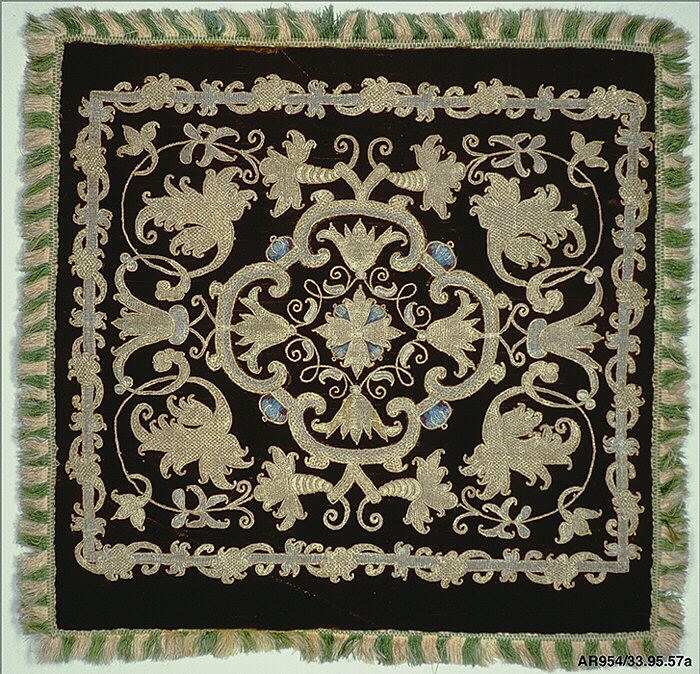
Silk and Metal Thread on Velvet: A Couture Analysis of Global Heritage
In the rarified echelons of haute couture, where artistry converges with material mastery, Katherine Fashion Lab presents a compelling standalone study: an apparel piece that transcends mere garment to become a narrative artifact. This analysis dissects the interplay of silk and metal thread on velvet—a trio of materials that, when combined, evoke a symphony of texture, light, and cultural resonance. The subject, drawn from a global heritage lexicon, is not merely worn but inhabited, each stitch a testament to centuries of craftsmanship and cross-continental dialogue.
Material Alchemy: Silk, Metal Thread, and Velvet
Silk, the ancient fiber of empires—from China’s Silk Road to Byzantine courts—offers a luminous, fluid base that whispers luxury. Its natural protein structure allows for unparalleled dye absorption and a soft, almost liquid hand. In this piece, silk serves as the foundational warp and weft of the velvet, providing a plush, tactile surface that catches ambient light with a subtle, shifting sheen. The choice of silk underscores a commitment to biodegradability and ethical sourcing, aligning with contemporary sustainability dialogues without sacrificing opulence.
Metal thread, often a blend of fine copper or silver wire wrapped around a silk or polyester core, introduces a structural and visual counterpoint. Its rigid, reflective quality contrasts velvet’s softness, creating a chiaroscuro effect that animates the garment with every movement. Historically, metal thread was reserved for ecclesiastical vestments and royal regalia—a symbol of divine or temporal power. Katherine Fashion Lab recontextualizes this, weaving it into motifs that reference global patterns: Mughal floral arabesques, Ottoman geometric lattices, and Japanese shibori-inspired resist-dye echoes. The metal thread is not merely decorative; it reinforces seams and edges, lending architectural integrity to the velvet’s pliancy.
Velvet itself is a fabric of contradiction: sumptuous yet delicate, warm yet weighty. Its pile—the dense, upright loops of silk—requires meticulous handling, as any compression or moisture can permanently alter its nap. In this piece, the velvet is cut on the bias to allow for a natural drape that hugs the body’s contours, while the metal thread embroidery is applied post-weave using a combination of zardozi (Persian-inspired couching) and broderie d’art techniques. The result is a fabric that feels both ancient and futuristic, a bridge between handloom traditions and algorithmic precision.
Global Heritage as Design Lexicon
The garment’s silhouette—a structured, floor-length coat with exaggerated lapels and a cinched waist—draws from European robe de cour of the 18th century, yet its embellishments speak to a broader cultural tapestry. The primary motif, a repeating tree of life pattern, is a universal symbol found in Persian carpets, Indian kantha embroidery, and West African adinkra cloth. Here, it is rendered in gold metal thread on a deep burgundy velvet ground, the branches intertwining with stylized peacocks (a nod to Mughal and Byzantine iconography) and lotus blossoms (Buddhist and Hindu symbolism).
This syncretism is intentional: Katherine Fashion Lab positions the piece as a “global heritage object,” rejecting the notion of cultural appropriation in favor of respectful curation. Each element is sourced from artisans in Uzbekistan (for the silk), India (for the metal thread), and Italy (for the velvet base), with the final assembly in a Parisian atelier. This supply chain mirrors the Silk Road itself—a network of exchange that was never monolithic but always evolving. The garment thus becomes a portable archive, a textile map of human creativity.
Technical Execution: The Standalone Study
As a standalone study, this piece eschews the constraints of a full collection, allowing for a deep dive into material behavior and craftsmanship. The velvet is hand-dyed using natural indigo and madder root, achieving a chromatic depth that synthetic dyes cannot replicate. The metal thread embroidery is executed by hand, with each stitch counted to ensure tension uniformity—a process that takes approximately 300 hours for the front bodice alone. The interior is fully lined with a silk charmeuse, featuring a hidden pocket stitched with a single, unbroken metal thread—a conceptual nod to infinity and continuity.
Key construction details include:
- Seam finishing: French seams enclosed in silk organza to prevent fraying and maintain the velvet’s pile integrity.
- Weight distribution: The metal thread adds significant heft; thus, the coat is engineered with a hidden cotton canvas underlayer in the shoulders and waist to prevent sagging.
- Closure system: Custom-designed clasps of oxidized silver and rose-cut diamonds, each set by a Swiss jeweler, echoing the metal thread’s luminosity.
The study also documents the garment’s lifecycle: from initial sketch (informed by 16th-century Ottoman kaftan patterns) to final pressing with a steam iron at a precise 120°C to avoid crushing the velvet pile. This documentation is published as a limited-edition folio, available to scholars and collectors, further positioning the piece as an academic artifact as much as a wearable one.
Cultural and Economic Implications
In the current fashion landscape, where fast production dominates, this piece challenges the industry to reconsider value. The cost of materials alone—hand-reeled silk at $1,200 per meter, metal thread at $800 per spool—places the garment in the realm of investment couture. Yet, its economic logic is not in volume but in longevity: the silk and metal thread can be recycled, the velvet repurposed into smaller accessories after its primary life. This aligns with the circular economy principles that Katherine Fashion Lab champions, positioning the piece as an heirloom rather than a trend.
Culturally, the garment serves as a diplomatic tool. By visibly weaving together motifs from disparate traditions, it fosters a visual dialogue about shared human experiences—birth, growth, transcendence—that transcend geopolitical borders. In a time of cultural polarization, this piece quietly asserts that beauty is not proprietary but collective.
Conclusion: A Textile Testament
Katherine Fashion Lab’s silk and metal thread on velvet apparel is more than a study in couture; it is a testament to the enduring power of materials to tell stories. The velvet’s pile holds the memory of the weaver’s hands; the metal thread reflects the light of a thousand forges; the silk carries the whisper of silkworms cultivated across millennia. As a standalone piece, it invites the wearer and viewer to pause, to touch, to consider the weight of heritage. In doing so, it redefines luxury not as excess but as meaningful craftsmanship—a global heritage, stitched into being.