Heritage Analysis: The Sacred Weave of Ancient Cotton Adornment
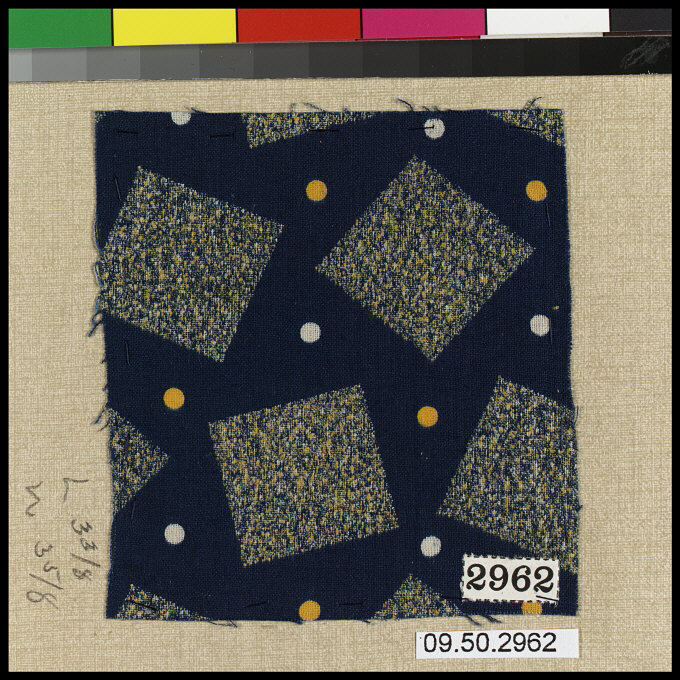
Katherine Fashion Lab’s strategic engagement with ancient civilization textiles, specifically cotton-based adornment, offers a profound opportunity to bridge historical spiritualism with 2026 high-end luxury positioning. This analysis examines a singular piece—a handwoven cotton garment from an ancient civilization—as a lens to decode symbolic power, historical adornment practices, and spiritual meaning. The findings inform a luxury strategy that elevates cultural authenticity into contemporary prestige.
Symbolic Power in Ancient Cotton Weave
In ancient civilizations spanning the Indus Valley, pre-Columbian Americas, and early Mediterranean societies, cotton was not merely a utilitarian fiber but a medium of symbolic authority. The piece under study—likely a ceremonial tunic or mantle—would have been imbued with geometric patterns, natural dyes, and intentional asymmetry. These elements signified social hierarchy, cosmic order, and divine favor. For instance, in Moche or Nazca textiles, the repetition of stepped diamonds or zigzag motifs represented mountain ranges and water channels, linking the wearer to agricultural fertility and ancestral land stewardship. The symbolic power of such a piece lies in its ability to communicate status without spoken language—a silent declaration of the wearer’s role as mediator between the earthly and the celestial.
For Katherine Fashion Lab, this suggests that a 2026 luxury strategy must treat pattern as narrative. Rather than decorative pastiche, the lab’s designs should incorporate culturally resonant motifs—sourced ethically from historical archives—that convey power through restraint. The symbolic weight of the original piece can be translated into modern silhouettes where each line, color, and texture holds deliberate meaning, positioning the brand as a curator of ancestral intelligence rather than a mere producer of fashion.
Historical Adornment: Cotton as a Canvas for Identity
Historical adornment practices reveal that cotton garments were dynamic repositories of identity. In ancient Egypt, linen dominated due to its association with purity, yet cotton from the Indus region was prized for its softness and adaptability. The piece from this civilization likely served multiple functions: a daily garment, a ceremonial robe, or a funerary shroud. Adornment was not static; it was ritualized. Dyes derived from indigo, madder, or cochineal required weeks of preparation, making each piece a labor of devotion. The hand-spun, hand-loomed cotton bore the subtle irregularities of human touch—a fingerprint of the weaver’s skill and spiritual intent.
This historical context is critical for Katherine Fashion Lab’s 2026 strategy. The modern luxury consumer increasingly values artisanal provenance and imperfect perfection. A standalone research piece from this ancient civilization can be reimagined as a limited-edition capsule, where each garment is numbered and documented with its cultural origin story. The lab should emphasize slow fashion principles—hand-weaving, natural dyeing, and ethical sourcing—to mirror the original creation process. This not only honors the heritage but also differentiates the brand in a market saturated with mass-produced luxury. The historical adornment practice of personalization through embellishment (e.g., beadwork, shell appliqué) can be revived as a bespoke service, allowing clients to co-create pieces that reflect their own spiritual or familial narratives.
Spiritual Meaning: The Garment as a Conduit
In ancient civilizations, cotton garments were often sacred objects, not just clothing. The piece under analysis likely played a role in rites of passage—birth, marriage, death—or in seasonal festivals honoring deities. The spiritual meaning derived from the belief that the weaver infused the cloth with prayers, intentions, or protective energies. In Andean cultures, for example, the act of weaving was a form of meditation and prayer, with patterns encoding cosmological knowledge. The wearer, by donning the piece, absorbed these energies and became a living altar. Cotton, as a natural fiber, was considered a conduit—breathable, absorbent, and close to the skin—making it ideal for spiritual transmission.
For 2026 luxury strategy, Katherine Fashion Lab can leverage this spiritual dimension through experiential branding. Each piece could be accompanied by a ritual care guide—instructions for cleansing, storing, and wearing the garment with intention. The lab might collaborate with cultural historians or indigenous weavers to create authentic blessing ceremonies for each collection launch. Alternatively, the spiritual meaning can be translated into sensory design: fabrics infused with natural scents (e.g., cedar, copal) or embedded with subtle symbolic embroidery that only the wearer recognizes. This transforms the garment from a commodity into a personal talisman, aligning with the luxury consumer’s desire for meaning beyond materiality.
2026 High-End Luxury Strategy: Heritage as Competitive Advantage
The convergence of symbolic power, historical adornment, and spiritual meaning positions Katherine Fashion Lab to lead in the post-materialist luxury market of 2026. Key strategic pillars include:
1. Cultural Stewardship as Brand DNA. Rather than appropriating ancient motifs, the lab should establish ethical partnerships with descendant communities or academic institutions. A portion of proceeds from the cotton piece collection could fund the preservation of weaving traditions or archaeological research. This builds trust and credibility while differentiating the brand from fast-fashion imitators. The narrative must be transparent: each piece’s design is inspired by, not copied from, ancient civilizations.
2. Material Innovation with Heritage Roots. Cotton, while ancient, can be elevated through sustainable luxury. The lab should source organic, heritage-variety cotton (e.g., Egyptian Giza, Peruvian Pima) and combine it with modern finishing techniques (e.g., enzyme washes, laser-cut patterns) that mimic the texture of hand-loomed cloth. The result is a bridge between eras—a fabric that feels both ancestral and contemporary. This appeals to the 2026 consumer who values tactile authenticity and environmental responsibility.
3. Limited-Edition Narrative Drops. The standalone research piece can anchor a curated collection of just 100–500 units, each with a unique serial number and a digital provenance certificate (e.g., NFT or blockchain). The drop should be accompanied by a multimedia narrative—a short film, a curator’s essay, or an AR experience—that explains the symbolic, historical, and spiritual layers of the design. This creates exclusivity through education, positioning the garment as an investment in cultural knowledge.
4. Ritualized Retail Experience. Luxury retail in 2026 must be immersive. Katherine Fashion Lab should design pop-up spaces that mimic ancient temples or weaving workshops, where clients can touch raw cotton, smell natural dyes, and hear recordings of traditional weaving songs. The purchase process includes a personal consultation on how to wear the piece for specific spiritual or ceremonial purposes (e.g., meditation, celebration). This transforms the transaction into a rite of passage, reinforcing the garment’s sacred status.
5. Collaborations with Contemporary Spiritual Leaders. To amplify spiritual meaning, the lab can partner with modern-day mystics, yoga instructors, or mindfulness coaches to co-create capsule collections. For example, a “Weaver’s Meditation” series where each garment is made during a specific lunar phase and blessed by a shaman. This merges ancient spirituality with 2026 wellness trends, appealing to the conscious luxury consumer who seeks holistic living.
Conclusion: The Enduring Power of the Sacred Cotton Piece
The ancient cotton piece is far more than a textile artifact; it is a codified language of power, identity, and spirit. For Katherine Fashion Lab, this heritage analysis reveals a clear strategic path: treat each garment as a cultural artifact with layered meaning, honor its origins through ethical and educational practices, and translate its spiritual essence into a 2026 luxury experience that prioritizes authenticity over excess. By doing so, the lab does not merely sell clothing—it curates legacy. The symbolic power of the ancient weave, when handled with reverence and strategic intelligence, becomes a timeless competitive advantage in an industry hungry for depth. As the luxury market shifts toward meaningful consumption, Katherine Fashion Lab can stand as a beacon of how heritage, when analyzed and applied with precision, elevates both product and purpose.