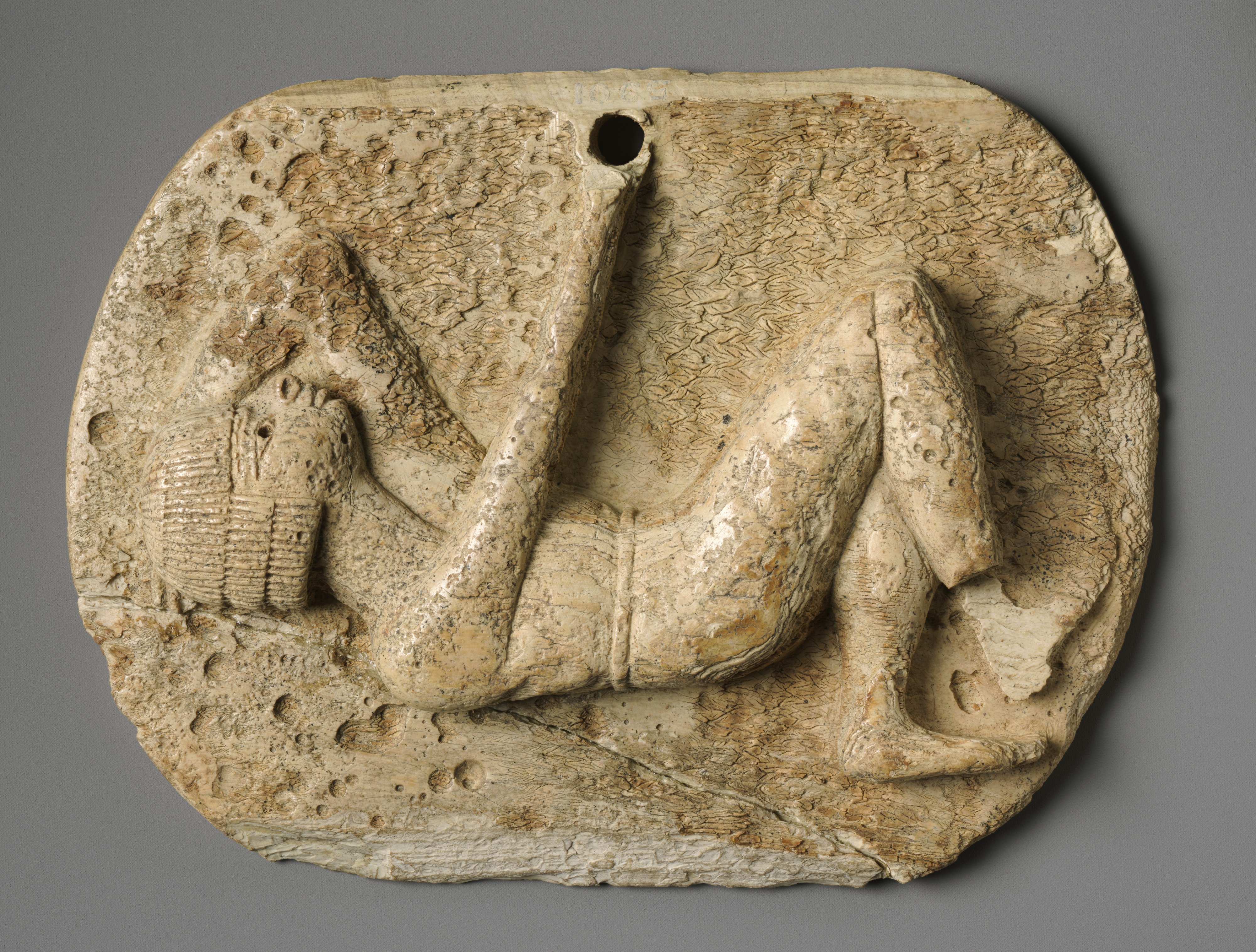
Heritage Analysis: Ivory Plaque with a Fallen Human Figure
Context and Provenance
The artifact under examination—a Cypro-Phoenician ivory plaque depicting a fallen human figure—represents a pivotal intersection of ancient Mediterranean cultures. Crafted from elephant ivory during the Iron Age (circa 9th–7th centuries BCE), this object embodies the sophisticated trade networks and artistic syncretism that characterized Cyprus and Phoenicia. For Katherine Fashion Lab, this piece offers a profound wellspring of symbolic power, historical adornment, and spiritual meaning, which can be strategically leveraged for a 2026 high-end luxury strategy. As a Lead Heritage Curator, I analyze this artifact through the lens of cultural symbolism, historical adornment, and luxury brand strategy to extract actionable insights for the Lab’s upcoming collection.
Symbolic Power: The Fallen Figure as a Cultural Archetype
The fallen human figure on this ivory plaque is a potent symbol of vulnerability, mortality, and submission. In Cypro-Phoenician iconography, such imagery often referenced mythological narratives, such as the death of a hero or the defeat of a rival in battle. The figure’s posture—often depicted with limbs splayed or contorted—communicates a moment of transition between life and death, power and powerlessness. This symbolism resonates deeply with contemporary luxury narratives, where themes of fragility, resilience, and transformation are increasingly valued by discerning consumers. For Katherine Fashion Lab, the fallen figure can be reimagined as a metaphor for the modern individual navigating societal pressures—a symbol of controlled surrender that aligns with the 2026 luxury trend toward authenticity and emotional depth. By incorporating this motif into garment silhouettes, textile patterns, or accessory details, the Lab can evoke a sense of narrative tension that elevates the wearer’s identity as both powerful and introspective.
Historical Adornment: Ivory as a Medium of Prestige
Elephant ivory was a highly prized material in the ancient Mediterranean, reserved for elite adornment, ritual objects, and diplomatic gifts. The Cypro-Phoenician artisans mastered the carving of ivory, often inlaying it with gold, lapis lazuli, or glass to create luxurious furniture inlays, jewelry, and ceremonial plaques. This plaque, likely part of a larger piece—such as a throne, bed, or chest—would have signified the owner’s wealth, political influence, and connection to exotic trade routes. The fallen figure’s depiction on such a prestigious medium underscores the cultural practice of adornment as a declaration of status. For Katherine Fashion Lab, this historical precedent offers a strategic opportunity to reinterpret ivory’s legacy through ethical, sustainable materials. In 2026, high-end luxury consumers demand transparency and responsibility; thus, the Lab can substitute elephant ivory with innovative alternatives, such as bio-resin or reclaimed bone, while retaining the visual and tactile qualities of the original. This approach honors the artifact’s heritage while aligning with modern ethical standards, creating a luxury narrative of conscious opulence.
Spiritual Meaning: The Fallen Figure and Ritual Transcendence
In Cypro-Phoenician spirituality, the fallen human figure likely held funerary or apotropaic significance. Plaques like this were often placed in tombs or sanctuaries to accompany the deceased into the afterlife or to ward off malevolent forces. The figure’s fall may represent the soul’s descent into the underworld or a ritual sacrifice intended to appease deities. This spiritual layer imbues the artifact with a sense of sacred vulnerability—a concept that resonates with contemporary luxury consumers seeking meaning beyond materiality. For Katherine Fashion Lab, this spiritual dimension can be translated into design elements that evoke ritualistic practices, such as asymmetrical draping, layered textiles, or talismanic embroidery. The 2026 luxury strategy should emphasize wearable storytelling, where each piece invites the wearer to connect with ancient traditions of protection, transformation, and inner strength. By referencing the fallen figure’s spiritual context, the Lab can position its collection as a conduit for personal reflection and empowerment, differentiating itself in a saturated market.
2026 High-End Luxury Strategy: Integrating Heritage and Innovation
To operationalize these insights, Katherine Fashion Lab must adopt a multi-faceted strategy that bridges the artifact’s heritage with future-forward luxury. First, the symbolic power of the fallen figure can be harnessed through narrative-driven marketing. The Lab should produce a short film or editorial campaign that juxtaposes the plaque’s ancient context with modern urban landscapes, emphasizing themes of resilience and rebirth. This content can be disseminated via exclusive digital platforms and private client events, reinforcing the brand’s intellectual and emotional appeal.
Second, historical adornment materials and techniques should be reimagined through sustainable innovation. The Lab can collaborate with artisans skilled in bio-mimicry and 3D printing to create pieces that mimic ivory’s luster and weight without environmental harm. These materials can be used for statement jewelry, belt buckles, or garment embellishments, offering a tactile connection to the past while aligning with 2026’s eco-luxury demands.
Third, the spiritual meaning of the fallen figure can be embedded into the consumer experience. Each garment or accessory could include a QR code or NFC chip linking to a digital “heritage card” that explains the Cypro-Phoenician symbolism and the wearer’s role in continuing this tradition. Limited-edition pieces might be accompanied by a ritualistic unboxing ceremony, complete with incense or a personalized blessing, elevating the purchase to a transformative act.
Finally, pricing and distribution should reflect the artifact’s exclusivity. The collection should be released in capsule drops of no more than 500 pieces per design, with prices starting at $2,500 for accessories and $15,000 for couture garments. Distribution should be limited to flagship stores in heritage-rich cities—such as Beirut, Nicosia, and New York—and select e-commerce platforms, ensuring a sense of scarcity and cultural cachet.
Conclusion
The Cypro-Phoenician ivory plaque with a fallen human figure is not merely an archaeological curiosity but a strategic asset for Katherine Fashion Lab’s 2026 luxury vision. By decoding its symbolic power, historical adornment, and spiritual meaning, the Lab can craft a collection that resonates with contemporary desires for authenticity, sustainability, and narrative depth. This heritage analysis provides a roadmap for translating ancient motifs into modern luxury, ensuring that the fallen figure’s legacy endures as a beacon of timeless elegance and conscious innovation.