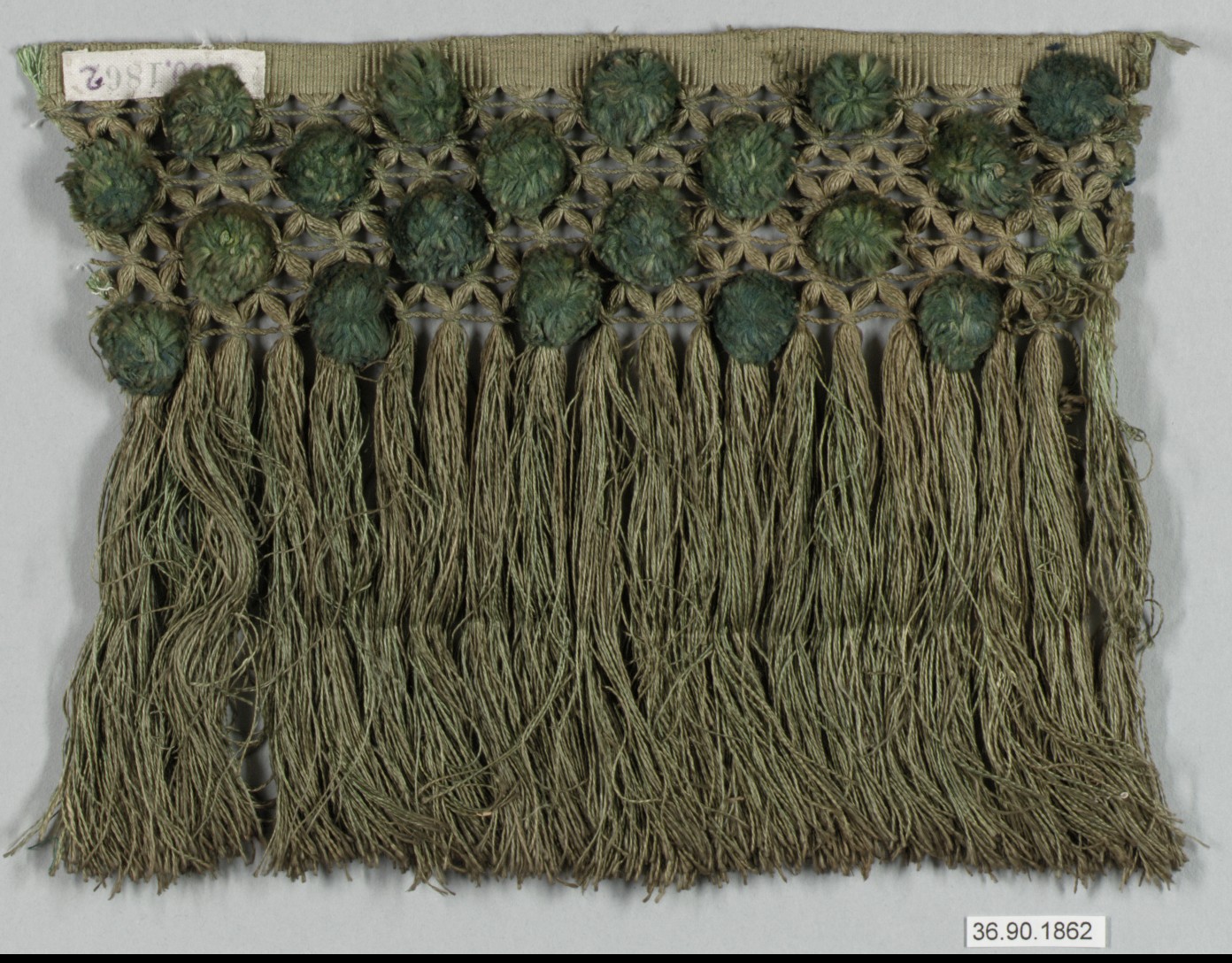
The Art of Fringe: A Couture Analysis of Silk and Global Heritage
Introduction: The Kinetic Language of Fringe
In the realm of haute couture, fringe is far more than a decorative trim; it is a dynamic architectural element that transforms fabric into motion. At Katherine Fashion Lab, fringe emerges as a powerful narrative device, bridging ancestral craftsmanship with contemporary luxury. This standalone study deconstructs how silk fringe—sourced from a global heritage of textile traditions—elevates design through movement, texture, and cultural resonance. By examining the materiality of silk, the historical lineage of fringe across civilizations, and its application in modern couture, we uncover the strategic intelligence behind this seemingly simple embellishment.
Materiality: Silk as the Ultimate Conductor
Silk possesses an unrivaled capacity to capture light and motion. Its natural protein fibers, when cut and twisted into fringe, create a fluid, almost liquid cascade that responds to the slightest breath of air. In Katherine Fashion Lab’s collections, silk fringe is not an afterthought but a primary structural component. The weight of the silk—typically 12 to 16 momme for fringe applications—ensures drape without sagging, while its tensile strength allows for intricate knotting and layering. Unlike synthetic alternatives, silk fringe develops a subtle patina over time, enhancing its tactile and visual depth.
From a technical standpoint, the fringe is often hand-cut from bias-cut silk panels to maximize flexibility. Each strand is individually aligned to ensure uniform movement, a process that demands hours of meticulous labor. This commitment to precision reflects the lab’s ethos: fringe as engineered elegance. The result is a garment that breathes with the wearer, creating a symbiotic relationship between body and fabric.
Global Heritage: Fringe Across Civilizations
Fringe is a universal textile language, appearing independently in cultures from the Andes to the Caucasus. In ancient Mesopotamia, fringe denoted social status, with longer, more elaborate threads reserved for royalty. Similarly, in pre-Columbian Peru, the Inca used fringe on ceremonial tunics to symbolize cosmic order. Katherine Fashion Lab draws from this rich tapestry, reinterpreting heritage techniques through a modern lens.
One notable influence is the Japanese Shibori tradition, where silk is resist-dyed before being cut into fringe. This process creates gradients of color along each strand, mimicking the ombré effects seen in nature. Another is the Indian Phulkari embroidery, where silk threads are left uncut to form fringe-like borders on shawls. The lab’s designers adapt these methods, using laser-cutting technology to achieve precision while preserving the handcrafted spirit. By honoring these global origins, the fringe becomes a wearable archive of cultural memory.
Strategic Applications in Couture Design
In Katherine Fashion Lab’s standalone studies, fringe is deployed with strategic intent across multiple garment categories. For evening gowns, silk fringe is applied along the hemline and sleeves to create a sense of weightlessness, as if the garment is perpetually in motion. The fringe’s oscillation catches light, producing a shimmering effect that mimics starlight. In tailored separates, fringe is used as a textural contrast against matte silk satin, adding visual intrigue without overwhelming the silhouette.
A key innovation is the “fringe lattice” technique, where strands are woven into geometric patterns rather than hanging freely. This approach transforms fringe into a structural grid, offering support for sheer panels while maintaining transparency. The lattice also allows for strategic opacity, revealing skin in controlled increments. This technique requires precise engineering, as each intersection must be anchored to prevent distortion. The result is a garment that feels both ethereal and architecturally sound.
The Economics of Fringe: Value Creation in Luxury
From a business perspective, silk fringe adds significant perceived value. The labor-intensive nature of hand-cut and hand-stitched fringe justifies premium pricing, while its visual distinctiveness differentiates the brand in a crowded market. Katherine Fashion Lab positions fringe as a signature element, ensuring immediate brand recognition. For the consumer, fringe offers versatility: a single garment can be styled for day or evening, with the fringe’s movement adapting to different contexts. This multifunctionality reduces the cost-per-wear, appealing to the discerning luxury buyer.
Moreover, fringe allows for sustainable innovation. Silk waste from fringe production is repurposed into smaller accessories, such as tassels or earrings, minimizing material waste. This circular approach aligns with the lab’s commitment to ethical luxury, resonating with environmentally conscious clientele. The narrative of heritage and craftsmanship further enhances emotional value, transforming each garment into an heirloom piece.
Cultural Resonance and Modern Identity
In an era of digital saturation, fringe offers a tactile antidote. Its physicality demands engagement, inviting touch and observation. Katherine Fashion Lab leverages this sensory appeal to create immersive runway experiences, where models’ movements are amplified by the fringe’s choreography. The designs evoke a sense of nostalgia for pre-industrial artistry, yet remain firmly contemporary through clean lines and minimalist silhouettes.
The global heritage aspect also allows the brand to engage with cross-cultural dialogues. By referencing fringe traditions from Morocco, China, and Native America without appropriation, the lab demonstrates cultural appreciation. Each collection includes a “heritage note” card detailing the origins of the techniques used, fostering transparency and education. This intellectual rigor elevates the brand beyond fashion into the realm of cultural preservation.
Conclusion: Fringe as a Future-Forward Element
Katherine Fashion Lab’s exploration of silk fringe is a masterclass in marrying tradition with innovation. By treating fringe as a material, structural, and narrative component, the lab redefines its role in couture. The strategic use of global heritage not only enriches design but also builds a brand ethos rooted in authenticity and sustainability. As fashion moves toward greater intentionality, fringe stands as a testament to the power of detail—a single thread capable of weaving together history, artistry, and modernity. In the hands of Katherine Fashion Lab, fringe is not merely an edge; it is the beginning of a new textile dialogue.