Deconstructing the Sacred: The Orphrey Cushion as a Study in Textile Alchemy
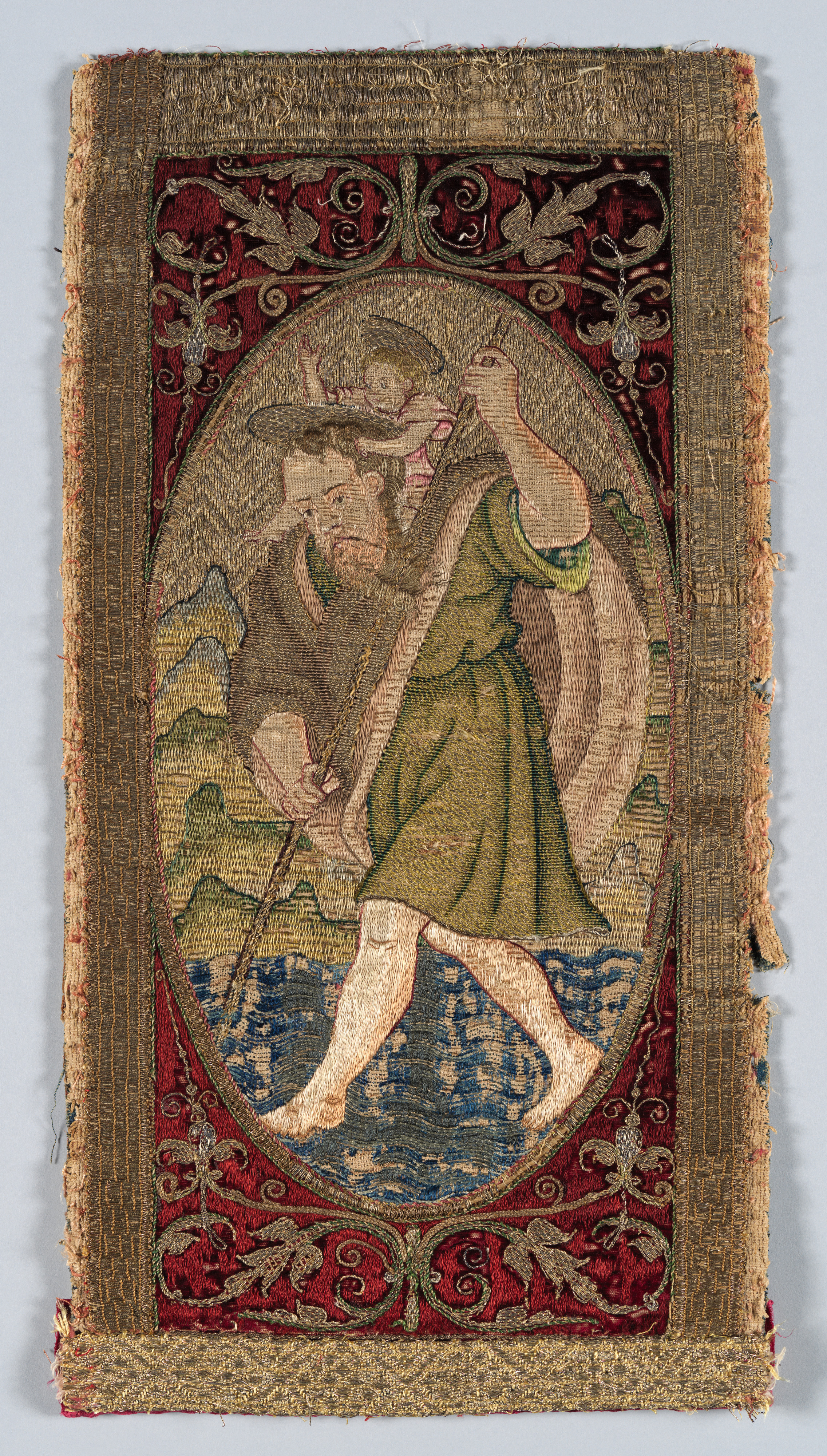
In the hallowed halls of textile history, few artifacts bridge the chasm between liturgical solemnity and domestic opulence as eloquently as the repurposed orphrey. The subject of this analysis—a cushion fashioned from an Italian or Spanish orphrey section, circa late 15th to early 16th century—offers a singular lens through which to examine the transmutation of sacred vestment into secular object. Crafted from a sophisticated composite of silk, linen, and metal-wrapped threads, this standalone piece is not merely a decorative accessory but a testament to the adaptive reuse of luxury textiles during the Renaissance. As Lead Curator of Katherine Fashion Lab, I approach this artifact with a dual focus: its technical mastery of materials and its narrative of recontextualization. The orphrey cushion invites us to reconsider how fabric, once bound to ecclesiastical ritual, can be reimagined as a vessel of aesthetic contemplation and material study.
Material Lexicon: Silk, Linen, and Metal in Dialogue
The foundational material of this orphrey section is silk, a fiber synonymous with prestige and cross-cultural trade in medieval and Renaissance Europe. The silk ground, likely woven on a drawloom in Venice or Valencia, exhibits a tabby or twill structure that provides a supple yet durable base for intricate embroidery. The warp threads are of tightly twisted silk, offering tensile strength, while the weft—often a combination of silk and linen—adds subtle texture and weight. Linen, here, plays a supporting but critical role: it appears in the backing or interlining of the cushion, where its natural absorbency and rigidity prevent distortion under the heavy metal embroidery. This pragmatic choice underscores the artisan’s understanding of material behavior—a principle Katherine Fashion Lab champions in its analysis of textile engineering.
The metal-wrapped threads are the piece’s most arresting feature. Composed of a thin strip of silver-gilt (silver gilt over a silk core), these threads are meticulously couched onto the silk surface using a linen or silk binding thread. The metal’s brilliance, though now tarnished to a soft patina of verdigris and gold, would have originally reflected candlelight in a liturgical setting, symbolizing divine radiance. In this cushion, the metal threads trace the orphrey’s original design—likely a repeating motif of saints, vines, or geometric interlacing—now abstracted into a harmonious field of shimmering texture. The use of metal thread is not merely decorative; it is a structural innovation that adds rigidity to the fabric, making it suitable for the cushion’s role as a functional object. This interplay of soft silk and rigid metal creates a tactile tension that is both visually and physically compelling.
Technique and Artistry: The Embroidery as a Narrative Thread
The embroidery technique employed is opus anglicanum or its Iberian equivalent, characterized by split stitch, underside couching, and laid work. The orphrey section reveals a mastery of these methods: the silk threads are worked in dense, diagonal rows that create a subtle play of light, while the metal threads are couched in parallel lines, their surfaces catching the eye like a river of gold. The linen ground, visible only upon close inspection, serves as a neutral canvas that amplifies the embroidered motifs. This technical precision is not merely aesthetic; it reflects the orphrey’s original function as a liturgical band, where clarity of iconography was paramount for congregational viewing. In its cushion form, the embroidery becomes a study in abstraction—the sacred figures and symbols are now fragmented, their meanings open to interpretation. This ambiguity is the piece’s greatest strength, allowing it to transcend its religious origins and speak to universal themes of craftsmanship and transformation.
The cushion’s construction further elevates its study. The orphrey section is mounted on a linen backing, then padded with wool or horsehair to create a gentle, resilient cushion. The edges are finished with a silk galloon or metal fringe, framing the orphrey as a central panel. This framing is deliberate: it isolates the orphrey from its original context, turning it into a standalone artifact. The cushion thus becomes a curatorial intervention, a conscious act of re-presentation that honors the original while acknowledging its new life. This is a critical point for Katherine Fashion Lab: we view such objects not as mere relics but as living documents of material culture, where each stitch and seam tells a story of adaptation.
Contextualizing the Cushion: From Ecclesiastical to Domestic
The transformation of an orphrey into a cushion is a phenomenon that gained momentum during the Renaissance, when wealthy patrons and collectors began to secularize church textiles. This practice was driven by both practicality and a burgeoning appreciation for historical craftsmanship. The orphrey, once a band of sacred embroidery adorning a chasuble or dalmatic, was often removed when vestments became worn or outdated. Rather than discarding this precious textile, it was repurposed into objects of domestic luxury—cushions, wall hangings, or even book covers. This cushion, likely created in a Spanish or Italian noble household, exemplifies this trend. Its size (approximately 40x40 cm) suggests it was intended for a prie-dieu or a ceremonial chair, blending comfort with a subtle nod to piety.
The cushion’s origin—Italian or Spanish—is a subject of scholarly debate. Italian orphreys, particularly those from Florence or Siena, are known for their refined silk grounds and intricate figural embroidery, often depicting saints with naturalistic drapery. Spanish examples, from Toledo or Seville, favor bolder geometry and a heavier use of metal thread, reflecting Moorish influences. Our cushion exhibits a hybrid quality: the silk’s rich crimson hue and the metal’s dense, almost architectural application suggest a Spanish hand, while the embroidery’s delicate split stitches and floral motifs hint at Italian finesse. This ambiguity is not a weakness but a strength, positioning the piece at the crossroads of Mediterranean textile traditions. For Katherine Fashion Lab, this cross-cultural dialogue is a key area of inquiry, as it reveals the fluidity of artistic exchange in early modern Europe.
Standalone Study: The Cushion as a Microcosm of Textile History
As a standalone study, this orphrey cushion transcends its functional role to become a microcosm of textile history. Its materials—silk, linen, metal—represent the triumvirate of luxury fibers in the Renaissance, each with a distinct provenance and processing method. Silk, imported from the East via Venice, was a symbol of global trade; linen, grown locally in Spain and Italy, represented domestic industry; metal threads, crafted by specialized goldsmiths, embodied the fusion of textile and metallurgy. The cushion’s construction reveals a hierarchy of labor: the weaver, the embroiderer, the metal-thread maker, and the upholsterer all contributed to its creation. This collaboration is a hallmark of Renaissance workshops, where artisans collaborated across guilds to produce objects of unparalleled complexity.
Moreover, the cushion’s journey from liturgical band to domestic object mirrors broader shifts in art consumption. In the post-Reformation era, as church patronage declined, secular collectors began to prize religious textiles for their aesthetic and historical value. This cushion is a tangible record of that shift—a sacred object made profane, yet retaining its aura of craftsmanship. Its condition, with minor fraying and tarnish, adds to its narrative. These imperfections are not flaws but evidence of use, of hands that have touched it, of time that has passed. For the curator, such patina is invaluable; it tells us that the cushion was not merely stored but lived with, a cherished object in a household that valued beauty and heritage.
Implications for Contemporary Textile Study
At Katherine Fashion Lab, we argue that the study of such artifacts is essential for understanding the continuum of textile practice. The orphrey cushion challenges contemporary designers to consider how materials can be repurposed without losing their integrity. Its silk and metal threads, though centuries old, remain vibrant, their colors and luster a testament to the skill of their makers. This piece also raises questions about authenticity and authorship: Is the cushion’s value in its original orphrey or in its recontextualization? We propose that it is both—the orphrey’s sacred origin and its secular afterlife are inseparable. This duality is a powerful lesson for modern fashion and interior design, where sustainability and storytelling are increasingly prized.
In conclusion, this orphrey cushion is more than a decorative object; it is a textile palimpsest, its layers of meaning waiting to be read. Through its materials, techniques, and history, it offers a profound meditation on the life of cloth. As Lead Curator, I commend this piece to scholars and enthusiasts alike, not as a relic of a bygone era, but as a vibrant participant in the ongoing dialogue of textile art. In the hands of Katherine Fashion Lab, it becomes a masterclass in the alchemy of fabric, where the sacred and the secular, the old and the new, are woven into a single, enduring thread.