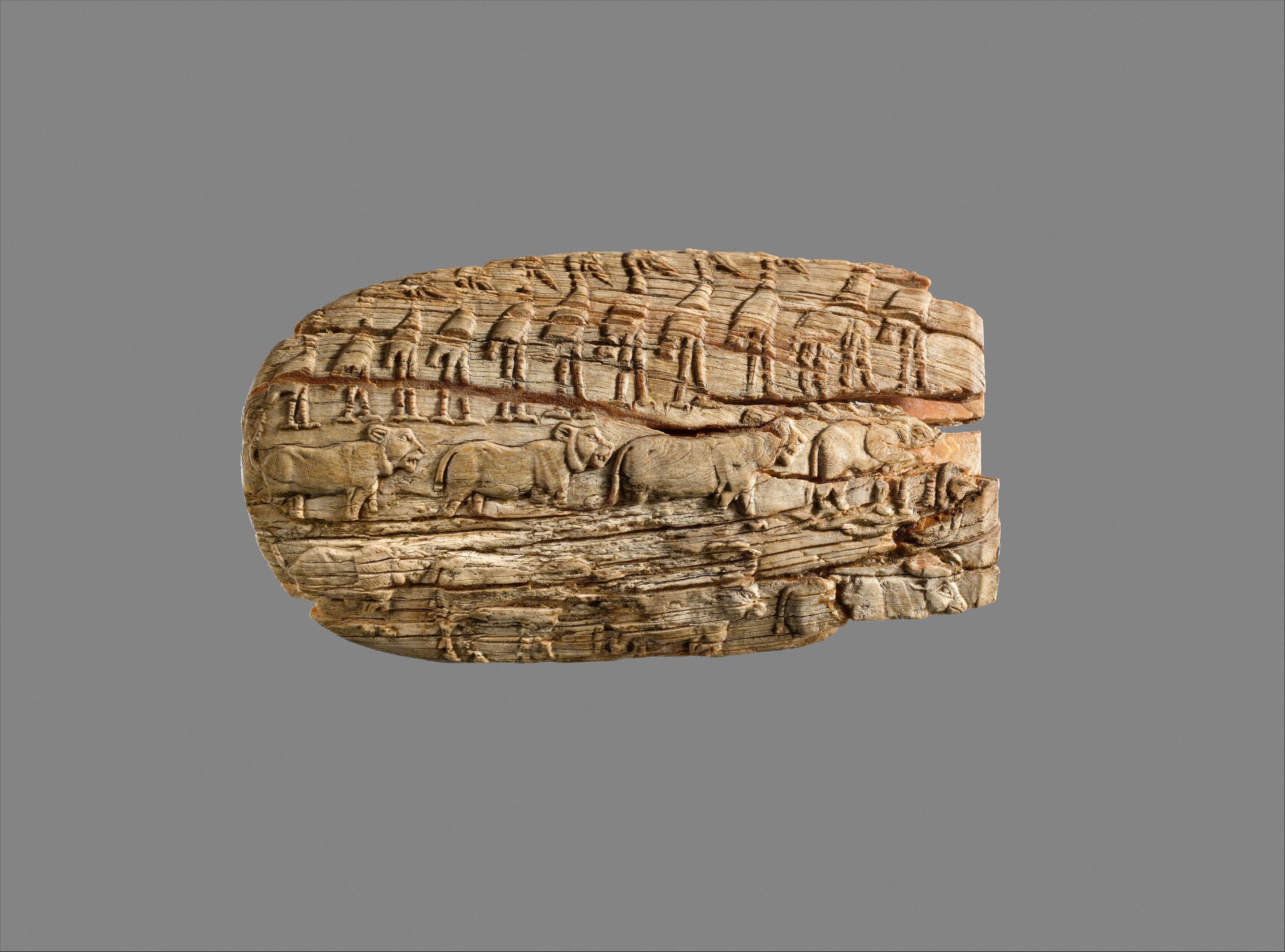
Heritage Analysis: The Carved Ivory Ceremonial Knife Handle
This analysis examines a carved ivory handle from a ceremonial knife, originating from an ancient civilization. The object, rendered in ivory, serves as a potent artifact of symbolic power, historical adornment, and spiritual meaning. For Katherine Fashion Lab, this research informs a 2026 high-end luxury strategy that leverages heritage authenticity and narrative depth.
Symbolic Power in Ancient Context
The ceremonial knife handle, meticulously carved from ivory, embodies a dualistic symbolism of authority and sacrifice. In ancient civilizations, such implements were not utilitarian but ritualistic, often reserved for high priests or sovereigns. The ivory medium itself—derived from elephant tusks, a material associated with strength, longevity, and rarity—elevated the object’s status. Carvings on the handle typically depict mythological creatures, ancestral spirits, or geometric patterns signifying cosmic order. For instance, a spiral motif may represent eternal life or the cycle of seasons, while a predator’s visage could denote martial prowess. This symbolic power was integral to maintaining social hierarchy and religious orthodoxy, as the knife’s presence in ceremonies reinforced the wielder’s connection to the divine.
From a strategic perspective, the symbolic weight of such an artifact can be transposed into luxury branding. Katherine Fashion Lab can draw parallels between the knife’s authority and the exclusivity of high-end fashion. In 2026, a limited-edition collection inspired by this symbolism could use motifs of power and transcendence, appealing to consumers seeking status and spiritual resonance. The ivory carving’s narrative of control and sanctity offers a rich foundation for storytelling, positioning the brand as a custodian of ancient wisdom within modern opulence.
Historical Adornment and Craftsmanship
The handle’s historical adornment reflects the pinnacle of artisanal skill in ancient civilizations. Ivory carving required exceptional precision, as the material is both dense and brittle. Artisans used obsidian or flint tools to incise intricate patterns, often incorporating inlays of precious metals, gemstones, or shell. The knife handle might feature a pommel shaped as a stylized animal head, with eyes of lapis lazuli or carnelian, and a grip wrapped in gold wire. Such adornment was not merely decorative; it signified the owner’s wealth and the object’s ritual importance. The tactile experience—the smooth, cool ivory against the hand—was part of its allure, enhancing the ceremonial performance.
For Katherine Fashion Lab, this historical craftsmanship offers a blueprint for material innovation. In 2026, high-end luxury strategy should prioritize artisanal techniques that mirror ancient precision. Consider a collection that uses ethically sourced, fossilized ivory alternatives (e.g., tagua nut or bone) with hand-carved motifs. The brand could collaborate with contemporary master carvers to produce limited-run accessories—cufflinks, belt buckles, or handbag clasps—that echo the knife’s ornate detailing. This approach not only honors heritage but also differentiates the brand in a market saturated with mass-produced luxury. The historical adornment also suggests a palette of ivory, gold, and deep blues, creating a visual language of timeless elegance.
Spiritual Meaning and Ritual Function
Spiritually, the ceremonial knife handle was a conduit between the mortal and the divine. In many ancient cultures, such objects were believed to house protective spirits or to channel ancestral power during rites of passage, harvest festivals, or funerary ceremonies. The carvings often included symbols of the underworld, sky deities, or fertility, aligning the user with cosmic forces. For example, a handle carved with a serpent might represent rebirth, while a solar disk motif could invoke life-giving energy. The act of holding the knife was thus a sacred transaction, imbuing the bearer with spiritual authority and safeguarding the community from malevolent forces.
Katherine Fashion Lab can integrate this spiritual dimension into its 2026 strategy by emphasizing the emotional and metaphysical value of luxury goods. Modern consumers increasingly seek products that offer meaning beyond aesthetics—what might be termed “spiritual luxury.” A collection inspired by the ceremonial knife could include talismanic jewelry or statement pieces that feature symbolic carvings, with accompanying narratives explaining their protective or transformative properties. For instance, a pendant shaped as the knife handle’s carved beast could be marketed as a “guardian amulet,” resonating with buyers interested in mindfulness and heritage. The spiritual meaning also supports a price premium, as the object’s perceived energy and rarity justify higher valuation.
2026 High-End Luxury Strategy: Synthesis and Application
Synthesizing the symbolic, historical, and spiritual dimensions, Katherine Fashion Lab can craft a 2026 luxury strategy that is both authentic and aspirational. First, the brand should position the ceremonial knife handle as a “heritage archetype,” using its motifs across a cohesive collection. This includes leather goods, silk scarves, and fine jewelry, each piece exhibiting carved or embossed patterns derived from the original artifact. The medium—whether ivory alternatives or precious metals—must emphasize rarity and ethical sourcing, aligning with contemporary sustainability demands. Second, the strategy should leverage storytelling: a dedicated microsite or in-store experience could detail the knife’s origins, the ancient civilization’s rituals, and the craftsmanship revival. This narrative creates emotional resonance, transforming a product into a collectible artifact.
Third, pricing and distribution must reflect exclusivity. A limited run of 500 pieces globally, with serial numbers and certificates of authenticity, would mirror the knife’s ceremonial uniqueness. Collaborations with museums or anthropologists could further validate the heritage, while private viewings for top-tier clients would emulate the knife’s ritualistic unveiling. Finally, the brand should integrate digital technology, such as augmented reality, allowing customers to “unlock” the knife’s spiritual symbols via a smartphone app. This bridges ancient meaning with modern luxury, appealing to Gen Z and millennial buyers who value both heritage and innovation.
In conclusion, the carved ivory ceremonial knife handle offers a profound case study for heritage-driven luxury. Its symbolic power, historical adornment, and spiritual meaning provide a template for Katherine Fashion Lab to differentiate in the competitive 2026 market. By honoring the artifact’s essence while adapting to contemporary ethics and aesthetics, the brand can create a narrative of timeless authority, craftsmanship, and transcendence—key pillars for high-end success.