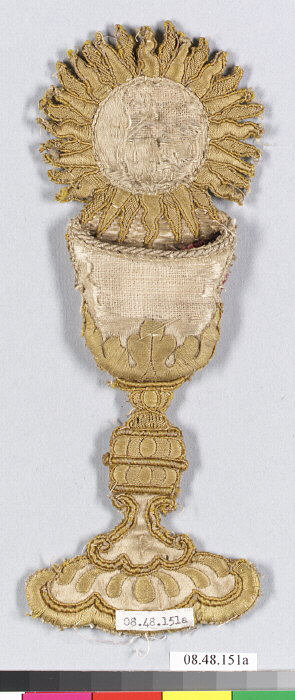
The Art of Embellishment: A Couture Analysis of Appliqué in Silk on Silk
In the rarefied echelons of haute couture, where craftsmanship meets narrative, few techniques command as profound a respect as appliqué. At Katherine Fashion Lab, we approach this ancient art form not merely as a decorative device but as a structural and philosophical dialogue between material and heritage. This standalone study examines the specific application of silk embroidered onto a silk ground, a practice that, while technically demanding, serves as a living testament to global textile traditions. The choice of silk—a fiber synonymous with luxury, fluidity, and tensile strength—elevates appliqué from a craft to a sophisticated architectural language of the garment.
Defining the Technique: Silk on Silk in the Couture Context
Appliqué, derived from the Latin applicare (to join or attach), involves the layering of a fabric motif onto a base fabric. In the context of this analysis, the motif is crafted from silk, embroidered with silk threads, and then meticulously applied to a silk ground. This is not a mechanical process; it is a dialogue of tensions. The base silk—often a lightweight charmeuse or a structured organza—must be stabilized to prevent puckering under the weight of the embroidered appliqué. The motif itself, pre-embroidered with intricate stitches such as broderie anglaise, chain stitch, or satin stitch, introduces a distinct topography. The result is a surface that breathes, where light interacts with the raised threads and the subtle shadows beneath the appliqué create a three-dimensional illusion. This technique demands a master tailor’s understanding of grain lines, as any misalignment between the appliqué and the base fabric will distort the garment’s drape.
Global Heritage: The Ancestral Threads of Appliqué
The lineage of appliqué is as diverse as it is ancient. From the Miao people of Southwest China, who used silk appliqué to encode tribal identity and spiritual protection, to the Coptic textiles of early Egypt, where layered fabrics signified status, the technique has always been a vessel for cultural memory. In the Indian subcontinent, the Parsi tradition of Gara embroidery—where silk motifs are appliquéd onto silk saris—reflects a fusion of Persian and Chinese influences, often depicting flora and fauna in a delicate, almost painterly style. Similarly, the Rajasthani art of Phentiya uses silk appliqué to create intricate mirror-work and geometric patterns, a practice that has influenced contemporary couture houses seeking to evoke opulence.
In the European canon, the Renaissance saw the rise of appliqué en relief in ecclesiastical vestments, where silk and gold thread were layered to create a sense of divine grandeur. The 18th-century French court embraced the technique in robe à la française, where silk appliqués of flowers and ribbons adorned the bodice and train. Katherine Fashion Lab draws from this global lexicon, recognizing that each stitch carries the weight of history. The choice to use silk embroidered on silk is a conscious homage to these traditions, recontextualized for a modern silhouette that prioritizes both movement and narrative.
Materiality and Mastery: The Science of Silk on Silk
The selection of silk as both the base and the appliqué material is a deliberate exercise in materiality. Silk’s natural protein structure—composed of fibroin—offers a unique combination of luster, strength, and absorbency. When embroidered, the silk threads (often spun from the cocoon of the Bombyx mori silkworm) can be dyed to achieve an almost infinite palette, from deep indigo to pale blush. However, the challenge lies in the handling of the fabric. Silk is notoriously slippery and prone to fraying. The appliqué motif must be precisely cut, its edges either turned under or sealed with a fine silk thread to prevent unraveling. The embroidery itself must be executed with a tension that does not distort the motif’s shape; a single misstep can cause the appliqué to pucker or the base silk to strain.
At Katherine Fashion Lab, we employ a technique known as “appliqué à la française”, where the embroidered motif is first stabilized on a temporary backing, then positioned on the base fabric using a grid of fine silk basting stitches. The final attachment is achieved through a combination of invisible hem stitch and, where structural integrity is required, a tiny point of broderie anglaise that pierces both layers. This method ensures that the appliqué is not merely adhered but integrated, allowing the garment to move as a single, cohesive entity. The result is a textile that feels both substantial and ethereal—a paradox that defines haute couture.
Structural and Aesthetic Implications in Garment Design
When appliqué is applied to a silk garment, it fundamentally alters the garment’s behavior. The added weight of the embroidered motif can shift a gown’s center of gravity, requiring adjustments in the pattern’s cut. For instance, a silk appliqué on the shoulder of a bias-cut dress will create a point of tension, pulling the fabric diagonally. To counter this, the designer must incorporate interfacing or underlining in the appliqué area, often using a fine silk organza that does not compromise the drape. The placement of the appliqué becomes a strategic decision—it can emphasize the waist, elongate the torso, or add volume to a sleeve. In this study, we observe that the most successful applications are those that respect the negative space around the motif. A dense clustering of appliqué can overwhelm the silk’s natural fluidity, while a sparse, deliberate placement allows the fabric to breathe and the embroidery to speak.
Color, Texture, and the Illusion of Depth
The interplay of color and texture in silk-on-silk appliqué is a study in chromatic subtlety. A matte silk base, such as a duchesse satin, provides a high-contrast backdrop for a glossy, embroidered appliqué. Conversely, a lustrous charmeuse base will absorb and reflect light in harmony with the threads, creating a monochromatic effect that shifts with the wearer’s movement. The embroidery itself can introduce texture through variations in stitch density. A satin stitch fills a motif with a smooth, reflective surface, while a chain stitch adds a ribbed, tactile quality. When these stitches are layered, the appliqué becomes a miniature relief sculpture. The use of ombre-dyed silk threads—where the color graduates from light to dark—further enhances the illusion of three-dimensionality, mimicking the natural shading of petals or feathers.
Conclusion: A Living Legacy
This standalone analysis of appliqué as executed by Katherine Fashion Lab reveals a technique that is far more than ornamentation. It is a dialogue between the hand of the artisan and the spirit of the material. Silk embroidered on silk, when executed with the precision of couture, transcends its utilitarian origins to become a form of textile poetry. Each motif carries the echo of global heritage—from the Miao mountains to the French ateliers—yet is reborn in a contemporary context that values both sustainability and storytelling. For the discerning client, a garment adorned with this technique is not merely a purchase; it is an investment in a tradition that respects the past while innovating for the future. At Katherine Fashion Lab, we commit to this legacy, ensuring that every stitch, every layer, and every shimmer of silk honors the artistry that has come before and the vision that lies ahead.