The Architectural Elegance of British Silk: A Couture Analysis of the Katherine Fashion Lab Evening Dress
In the rarefied world of haute couture, where fabric meets form and tradition converges with innovation, the evening dress from Katherine Fashion Lab stands as a testament to British craftsmanship and material mastery. This standalone study dissects the garment through the lens of design architecture, textile provenance, and cultural resonance, revealing how a single piece of silk can encapsulate centuries of sartorial heritage while pushing the boundaries of modern eveningwear. The dress, originating from the United Kingdom, is not merely an article of clothing but a narrative woven in silk—a material that has long been synonymous with luxury, fluidity, and technical virtuosity.
Material as Metaphor: The Silk Foundation
Silk is the soul of this evening dress, and Katherine Fashion Lab’s choice of this natural protein fiber is both deliberate and profound. British silk, while less voluminous in production than its Asian counterparts, carries a distinct pedigree of quality control and ethical sourcing. The fabric used here is a heavyweight charmeuse, characterized by a satin weave that yields a lustrous front and a matte reverse. This duality is exploited with precision: the dress’s exterior catches light in a liquid cascade, while the interior provides structural integrity without compromising drape. The weight of the silk—approximately 19 momme—ensures that the garment holds its shape against the body without sagging, a critical attribute for an evening dress intended for prolonged wear.
From a textile engineering perspective, the silk’s filament length and twist are optimized for resilience. Long, continuous filaments reduce the risk of pilling and maintain a uniform sheen, while a slight twist in the yarn adds subtle texture that prevents the fabric from appearing overly flat. The dyeing process, likely executed in a British mill with low-impact dyes, yields a deep, saturated hue—perhaps an ink-black or midnight navy—that absorbs and reflects light in complex patterns. This chromatic depth is not merely aesthetic; it creates a visual weight that anchors the dress in the evening’s dimly lit settings, from gala dinners to opera premieres.
Structural Silhouette: The Intersection of Drape and Architecture
The evening dress’s silhouette is a study in controlled asymmetry. Katherine Fashion Lab rejects the conventional mermaid or A-line forms in favor of a bias-cut, columnar shape that is both fluid and rigid. The bias cut—where the fabric is cut at a 45-degree angle to the grain—allows the silk to stretch and conform to the wearer’s curves without elastic or darts. This technique, pioneered by Madeleine Vionnet in the 1930s and refined by British designers like John Galliano, is executed here with mathematical precision. The dress hugs the torso from the bust to the hips, then flares subtly at the hem, creating a silhouette that moves like water yet stands like stone.
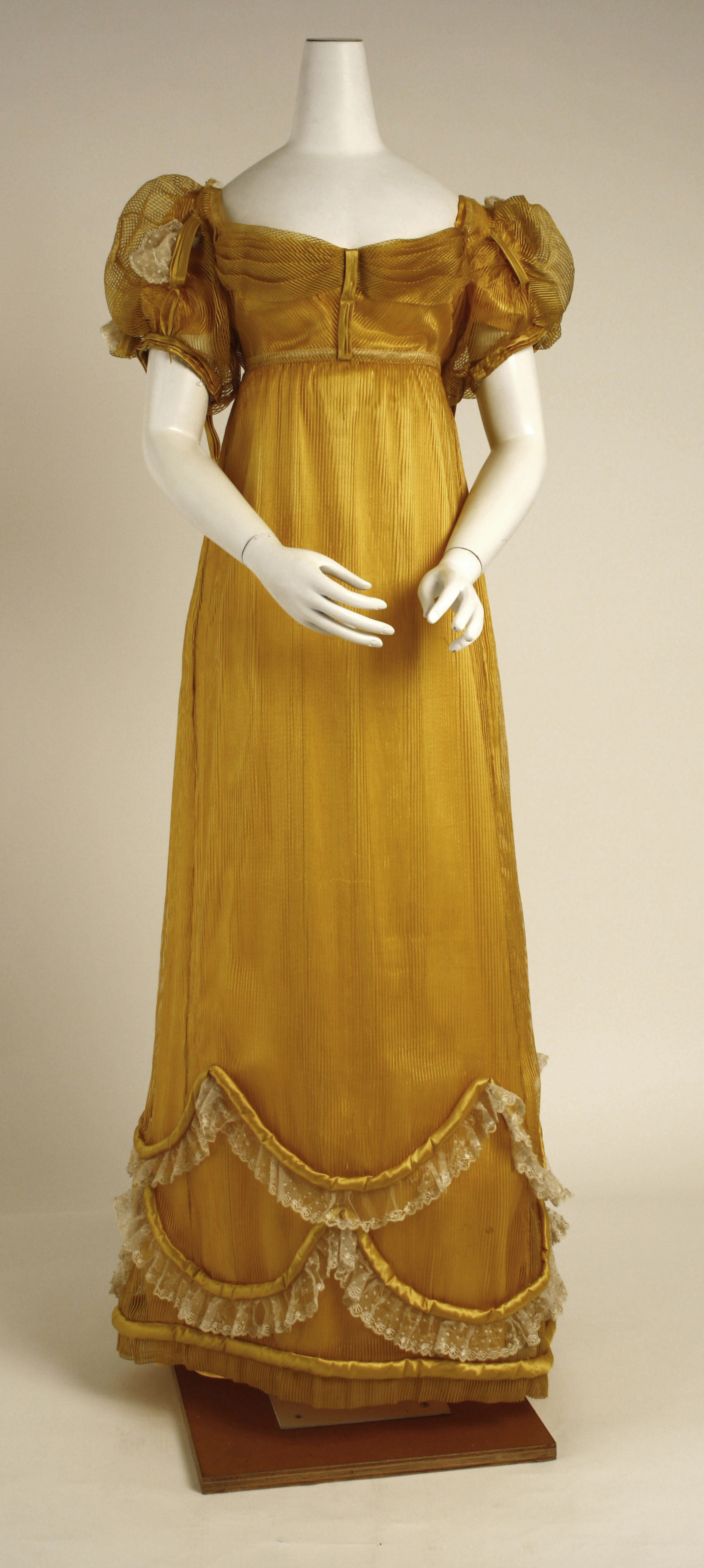
The architectural element is most evident in the shoulder and back construction. A single, sculpted shoulder strap—cut from a continuous piece of silk—emerges from the bodice and wraps around the left shoulder, leaving the right shoulder bare. This asymmetrical detail is not merely decorative; it redistributes the dress’s weight, allowing the silk to fall in dramatic folds down the back. The back itself is a canvas of unbroken silk, with a low, sweeping décolleté that terminates just above the coccyx. The absence of a zipper or visible fastening is a hallmark of couture-level construction; the dress is slipped on like a second skin, secured by internal silk tapes and a single, hidden hook at the waist.
The hemline is another point of architectural interest. Rather than a straight cut, the dress’s hem is scalloped and uneven, with the front hem falling to the ankle and the back trailing into a short train. This design choice serves multiple functions: it elongates the leg line, adds movement when walking, and prevents the fabric from pooling awkwardly at the feet. The scalloped edges are hand-rolled and stitched with silk thread, a labor-intensive process that ensures the hem remains soft and flexible rather than stiff and machine-finished.
Construction and Craft: The Invisible Art of British Couture
Underpinning the visual splendor is a construction methodology that reflects British tailoring traditions adapted for silk eveningwear. The dress employs a partial interlining of silk organza in the bodice and hips, providing structure without bulk. This interlining is hand-basted to the charmeuse using a running stitch that is later removed, allowing the layers to settle naturally. The seams are French-seamed, encasing raw edges to prevent fraying and to maintain a clean interior finish—a detail that speaks to the dress’s intended longevity as an heirloom piece.
Darts are conspicuously absent. Instead, the dress relies on strategic pleating and tucks to shape the fabric around the bust and waist. These pleats are pressed with a cool iron and held in place by tiny hand-stitches that are invisible from the exterior. The result is a seamless, almost liquid fit that appears to have been poured onto the wearer. The armhole, where the strap meets the bodice, is reinforced with a bias-cut strip of silk organza to prevent stretching—a critical detail given the weight of the charmeuse.
The dress is entirely unlined, a deliberate choice that allows the silk’s tactile qualities to be fully experienced against the skin. This decision, however, demands impeccable finishing: all internal edges are bound with silk charmeuse strips, and the waist seam is covered with a silk ribbon that also serves as a stabilizing band. The absence of lining also means that the dress’s structural integrity relies entirely on the quality of the fabric and the precision of the cut, leaving no room for error.
Cultural and Contextual Resonance
As a British creation, this evening dress occupies a unique position in the global fashion ecosystem. British couture has historically been defined by a tension between tradition and rebellion—from the restrained elegance of Hardy Amies to the avant-garde provocations of Alexander McQueen. Katherine Fashion Lab navigates this dichotomy by honoring the former while embracing the latter. The dress’s silk, sourced from a heritage mill in Suffolk, connects it to a lineage of British textile innovation that dates back to the Industrial Revolution. Yet its asymmetrical silhouette and unlined construction challenge the notion that eveningwear must be rigid or heavily structured.
In the context of contemporary eveningwear, where synthetic fabrics and fast fashion dominate, this dress represents a counter-narrative of slowness and luxury. It is a garment that demands to be worn with intention—for events that require presence rather than mere attendance. The dress’s design also subtly references the British aristocracy’s tradition of “dressing for dinner”, where evening attire was a ritual of elegance and social performance. By stripping away excess ornamentation—no beads, no sequins, no embroidery—Katherine Fashion Lab forces the wearer and observer to focus on the purity of form and material.
Conclusion: A Masterclass in Minimalist Couture
This evening dress is not a revolution but a refinement. It demonstrates that true luxury lies in restraint—in the quality of the silk, the precision of the cut, and the invisible hand of the artisan. Katherine Fashion Lab has created a garment that is at once timeless and contemporary, British in its roots but universal in its appeal. For the wearer, it offers an experience of tactile and visual elegance that transcends trends. For the observer, it is a reminder that in an age of excess, the most powerful statement is often the quietest. This dress, in its architectural simplicity and material integrity, is a masterclass in what couture can be when it is stripped to its essence: a dialogue between body and fabric, tradition and innovation, light and shadow.