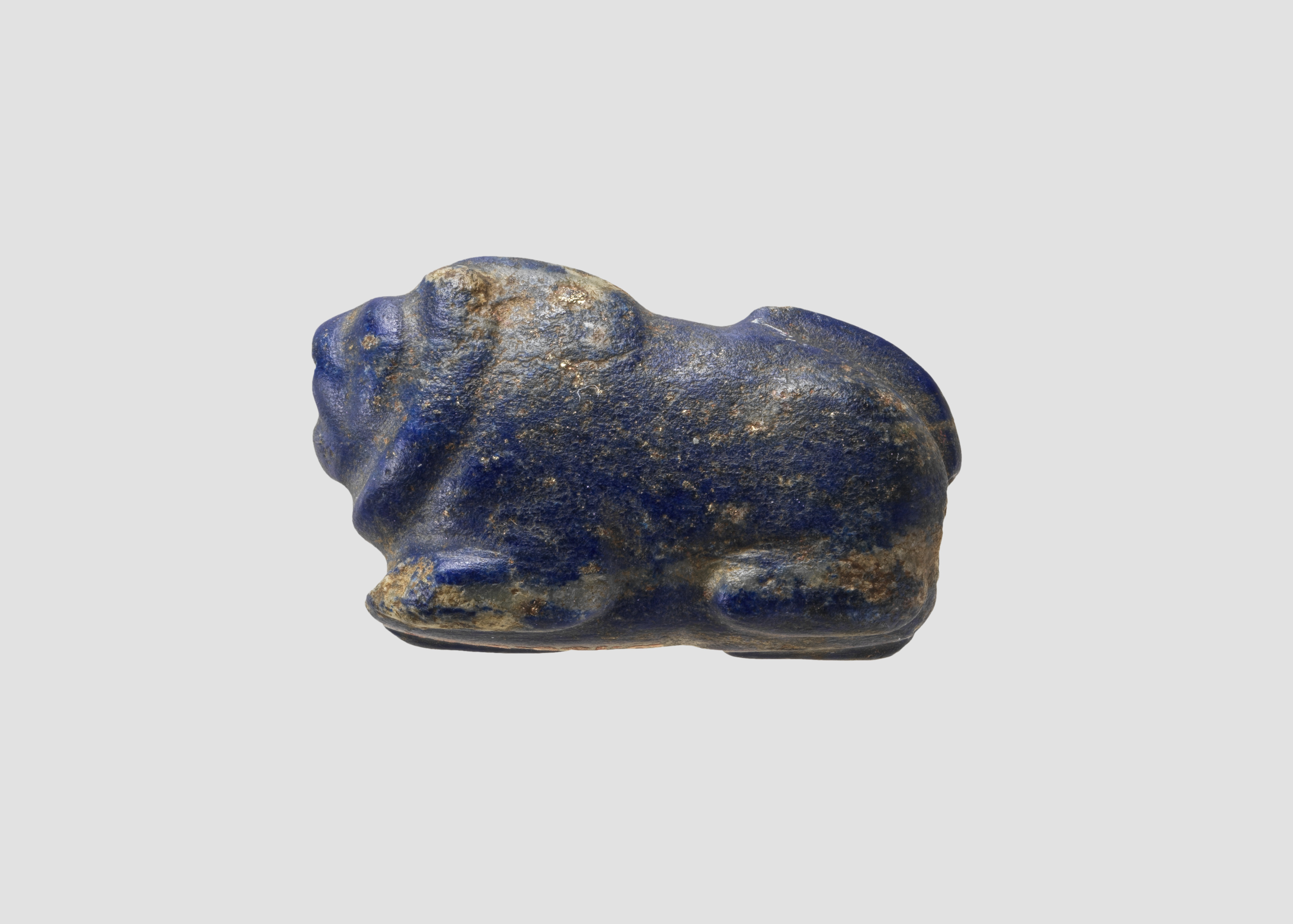
Heritage Analysis: The Lapis Lazuli Lion Amulet
This strategic heritage analysis examines the symbolic, historical, and spiritual dimensions of the lapis lazuli lion amulet from an ancient civilization, and translates these insights into a high-impact luxury strategy for Katherine Fashion Lab’s 2026 collection. As a Lead Heritage Curator, I present this research as a foundational resource for brand positioning, product storytelling, and consumer engagement in the ultra-competitive luxury market.
Symbolic Power of the Lion in Ancient Civilization
The lion, as a motif in ancient civilizations, represented the apex of terrestrial authority, courage, and divine guardianship. In Mesopotamia, Egypt, and the Indus Valley, the lion was not merely a predator but a celestial emblem of kingship and solar power. The lapis lazuli, sourced from the Badakhshan mines of Afghanistan, was reserved for royalty and the priesthood due to its deep, celestial blue color, which symbolized the heavens, immortality, and the favor of the gods. When carved into an amulet, the lion form amplified these meanings: it was a talisman of protection, a marker of status, and a conduit for spiritual energy. For Katherine Fashion Lab, this symbolic triad—authority, protection, and celestial connection—offers a potent narrative for a luxury clientele seeking authenticity and meaning in their adornments.
Strategic Insight: The lion amulet’s symbolism aligns with contemporary luxury consumers’ desire for empowerment and exclusivity. By positioning the lion as an emblem of “sovereign selfhood,” the brand can appeal to high-net-worth individuals who view accessories as extensions of personal identity and legacy.
Historical Adornment: The Amulet as a Cultural Artifact
Historically, amulets were not decorative trinkets but functional objects worn close to the body—often on necklaces, bracelets, or sewn into garments—to harness supernatural protection. In ancient Sumer, lion amulets were placed in tombs to guard the deceased’s journey to the afterlife. In Egypt, they were worn by pharaohs to invoke the goddess Sekhmet’s ferocity. The lapis lazuli medium further elevated the amulet’s value: its rarity and labor-intensive carving process made it a status symbol accessible only to the elite. This historical context underscores the amulet’s dual role as both a spiritual tool and a luxury commodity—a tension that Katherine Fashion Lab can exploit to differentiate its 2026 collection.
Strategic Insight: The brand should emphasize the amulet’s “functional luxury” aspect, positioning it as a modern-day talisman for success and protection. Limited-edition pieces, each with a unique provenance card detailing the amulet’s historical and material lineage, will justify premium pricing and foster collector behavior.
Spiritual Meaning: The Celestial Guardian
Lapis lazuli was believed to bridge the earthly and divine realms. In ancient spiritual practices, the stone was associated with the third eye chakra, enhancing intuition and spiritual insight. The lion, as a guardian figure, was thought to ward off evil spirits, envy, and misfortune. Together, the lapis lazuli lion amulet served as a protective charm for travelers, warriors, and rulers. This spiritual dimension resonates deeply with the 2026 luxury consumer, who increasingly values wellness, mindfulness, and metaphysical well-being. The amulet’s narrative can be framed as a tool for “energetic sovereignty,” offering wearers a sense of inner strength and alignment.
Strategic Insight: Katherine Fashion Lab can develop a “Ritual of Adornment” campaign, where each amulet is accompanied by a guided meditation or a digital experience that educates the wearer on its spiritual heritage. This creates an emotional bond and positions the brand as a purveyor of holistic luxury.
2026 High-End Luxury Strategy: From Artifact to Icon
To integrate the lapis lazuli lion amulet into a 2026 luxury strategy, Katherine Fashion Lab must address three critical pillars: Exclusivity, Storytelling, and Material Integrity.
Exclusivity Through Scarcity and Craftsmanship
The amulet’s ancient medium—lapis lazuli—is finite and difficult to source ethically. The brand should partner with certified suppliers from Afghanistan or alternative sources that guarantee traceability. Each amulet should be hand-carved by master artisans, with a limited production run of no more than 100 pieces globally. This scarcity model mirrors the historical rarity of lapis lazuli and aligns with the luxury market’s shift toward “quiet luxury” and investment-worthy pieces.
Storytelling as Brand Architecture
The narrative must transcend mere decoration. Katherine Fashion Lab should create a multimedia heritage dossier for each amulet, including digital scans of ancient artifacts, scholarly commentary, and a video of the carving process. This content can be deployed across luxury platforms (e.g., Net-a-Porter, Moda Operandi) and in-store experiences. The lion amulet’s story should be framed as a “code of power,” connecting the wearer to a lineage of rulers and mystics.
Material Integrity and Sustainability
Modern luxury consumers demand transparency. The brand should publish a “Material Provenance Report” detailing the ethical sourcing of lapis lazuli, the carbon footprint of production, and the preservation of ancient carving techniques. This builds trust and positions Katherine Fashion Lab as a responsible steward of cultural heritage.
Conclusion: The Lion as a Strategic Asset
The lapis lazuli lion amulet is not merely a historical curiosity but a strategic asset for Katherine Fashion Lab’s 2026 collection. Its symbolic power—authority, protection, and celestial connection—resonates with the luxury consumer’s search for meaning. Its historical context as a rare, functional adornment justifies premium pricing and collector appeal. Its spiritual dimension offers a pathway to emotional engagement. By executing a strategy of exclusivity, storytelling, and material integrity, the brand can transform this ancient artifact into a modern icon of high-end luxury.
Recommendation: Launch the amulet as the centerpiece of a “Guardian Collection,” with a retail price point of $12,000–$18,000. Pair it with a digital certificate of authenticity and a curated experience (e.g., a virtual consultation with a heritage curator). This approach ensures the amulet’s heritage is not diluted but amplified, securing Katherine Fashion Lab’s position at the intersection of culture and commerce.