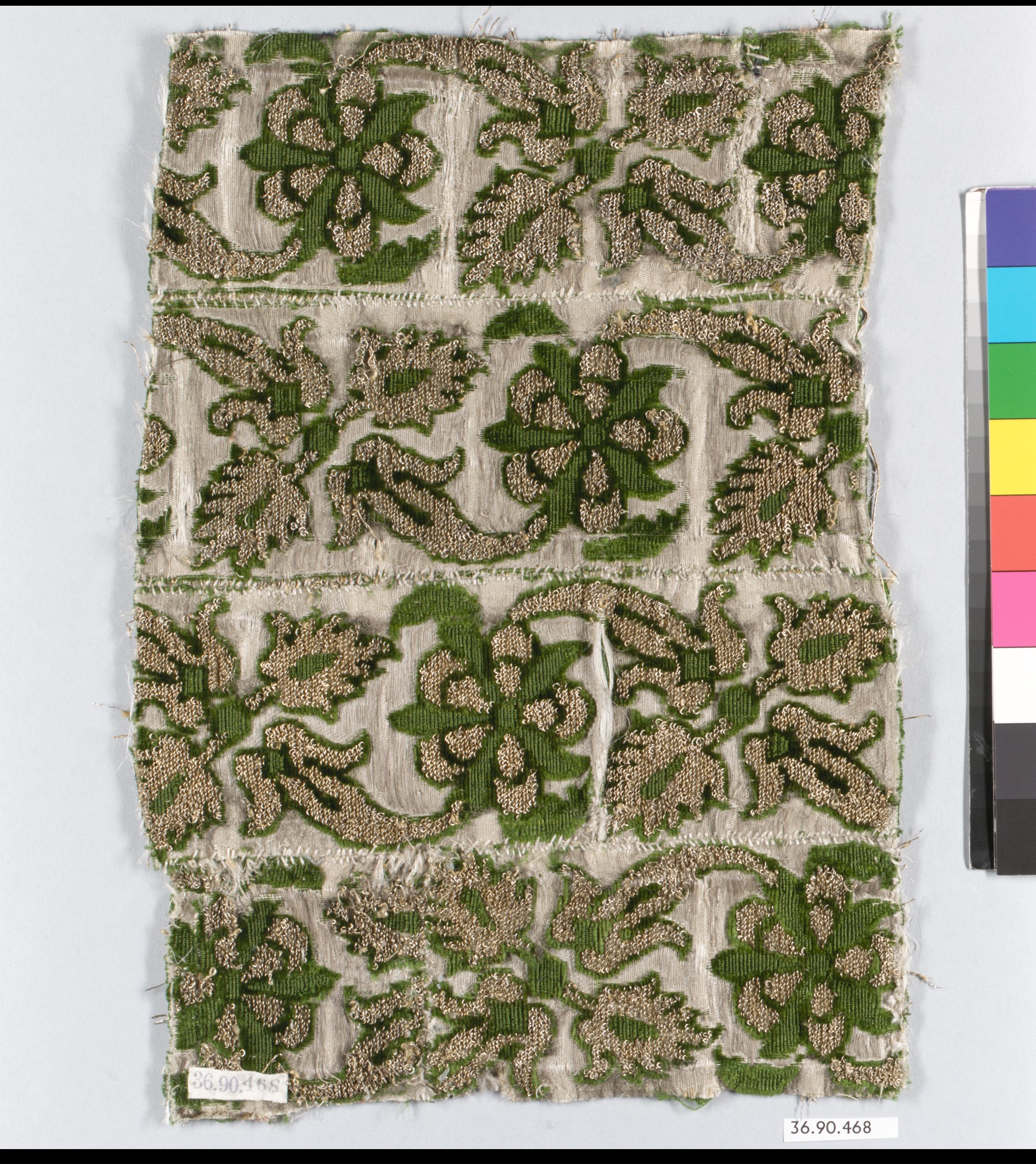
The Architecture of Heritage: A Couture Analysis of Silk and Metal Thread
In the rarefied world of haute couture, where fabric meets philosophy and every stitch tells a story, Katherine Fashion Lab presents a piece that transcends mere garment-making. This standalone study—a meticulously crafted ensemble of silk and metal thread—is not simply an item of clothing but a thesis on global heritage. It represents a deliberate departure from transient trends, positioning itself as a tangible artifact of cultural memory. The piece demands analysis not as a product of seasonal fashion cycles, but as a standalone object of artistic and anthropological significance. Here, the interplay of material, technique, and narrative converges in a powerful statement about the enduring value of craftsmanship in an era of mass production.
Material as Metaphor: Silk and Metal Thread
The choice of silk and metal thread is neither arbitrary nor merely aesthetic; it is a strategic declaration of heritage. Silk, with its origins in ancient China and its subsequent journey along the Silk Road, has long symbolized luxury, trade, and cross-cultural exchange. Its lustrous surface and fluid drape evoke a sense of timeless elegance, yet its production—the labor-intensive process of sericulture—speaks to a deep respect for natural resources and artisanal patience. In this piece, the silk is not a passive backdrop but an active participant. Its sheen captures and reflects light, creating a dynamic visual texture that shifts with the wearer’s movement, suggesting the fluidity of cultural identity across time and geography.
Metal thread, often associated with Byzantine opulence and Mughal regalia, introduces a contrasting rigidity and luminosity. Its inclusion is a deliberate act of juxtaposition: the softness of silk against the unyielding strength of metal. This duality mirrors the tension between preservation and innovation inherent in global heritage. The metal thread is not merely decorative; it is structural. It reinforces seams, outlines motifs, and creates a subtle armor-like quality, suggesting that heritage is not a fragile relic but a resilient framework upon which contemporary design can be built. Together, these materials form a dialogue—a conversation between East and West, past and present, the organic and the industrial.
Technique and Craftsmanship: The Invisible Hand of Heritage
The execution of this piece is a testament to the mastery required to honor global heritage without descending into pastiche. The silk has been cut and draped using techniques that respect its natural bias, allowing the fabric to fall in cascading folds that recall classical Grecian chitons, Japanese kimono sleeves, and the structured tailoring of European couture. This fusion is not accidental; it is the result of extensive research into draping traditions from multiple cultures. The metal thread is worked into the fabric through a combination of hand-embroidery and metallic weaving, techniques that have been passed down through generations of artisans in regions from Uzbekistan to India.
What sets this piece apart is its refusal to flatten these traditions into a homogeneous “global” aesthetic. Instead, each technique retains its distinct character. The embroidery, for instance, employs a zardozi-inspired method—a Persian and Indian technique using gold and silver threads—to create raised, three-dimensional motifs that echo architectural elements like domes and arches. These motifs are not randomly placed; they follow the body’s natural lines, forming a map of connectivity. The metal thread is also used in a kente-inspired weave pattern on the cuffs, referencing West African textile heritage. The result is a garment that is both cohesive and layered, inviting the viewer to decode its references.
Narrative and Cultural Memory: A Standalone Study
As a standalone study, this piece operates outside the traditional context of a collection or a season. It is not intended to be part of a runway show with a thematic title or a marketing campaign. Instead, it exists as a singular object of contemplation. This autonomy allows it to function as a repository of cultural memory. The motifs—geometric, floral, and abstract—are derived from patterns found in ancient Silk Road textiles, Ottoman court robes, and pre-Columbian Andean weavings. Each motif is a glyph, a symbol of a civilization’s aesthetic language. By combining them, Katherine Fashion Lab creates a new lexicon—one that speaks to the interconnectedness of human creativity.
This narrative is further reinforced by the piece’s construction. The silk is dyed in a palette of deep indigo and muted gold, colors that evoke both the night sky of the nomadic steppes and the gilded interiors of imperial courts. The metal thread catches the light at certain angles, creating a constellation-like effect—a reminder that heritage is not a static artifact but a living, starry map that guides future design. The garment’s silhouette is deliberately ambiguous: it could be interpreted as a coat, a robe, or a dress. This ambiguity invites the wearer to project their own cultural context onto the piece, making it a collaborative canvas for identity.
Implications for Contemporary Couture
This piece challenges the prevailing dichotomy in fashion between “traditional” and “contemporary.” Too often, global heritage is reduced to costume or exoticism in high fashion, used as a superficial reference for “ethnic” prints or embellishments. Katherine Fashion Lab’s approach is radically different. By elevating silk and metal thread to the status of primary subjects, and by treating technique as a form of storytelling, the lab repositions heritage as a source of intellectual and artistic rigor. The piece is not a nostalgic look backward but a forward-facing meditation on how we can carry cultural knowledge into the future.
Moreover, the standalone nature of this study has significant implications for the business of couture. In an industry driven by seasonal cycles and rapid turnover, this piece exists outside of commercial pressure. It is a prototype for a new model of fashion—one where garments are valued as singular works of art, not disposable commodities. The use of precious materials and labor-intensive techniques justifies a price point that reflects true craftsmanship, challenging the consumer to invest in longevity over novelty. This aligns with the growing movement toward slow fashion and ethical luxury, where the provenance of materials and the skill of artisans are paramount.
Conclusion: The Future of Heritage in Fashion
In this standalone study, Katherine Fashion Lab has achieved what few designers dare to attempt: a synthesis of global heritage that is neither derivative nor decorative. Through the masterful use of silk and metal thread, the piece embodies a philosophy of cultural exchange as a dynamic, respectful dialogue. It is a garment that demands to be studied, not just worn—a text that rewards close reading. For the discerning collector or the scholar of material culture, this piece represents a pivotal moment in couture, one where the past is not a burden but a foundation for innovation. As the fashion industry grapples with questions of sustainability, authenticity, and cultural appropriation, this piece offers a compelling blueprint: honor the source, master the technique, and let the material speak. The result is not just a garment, but a legacy in silk and metal.