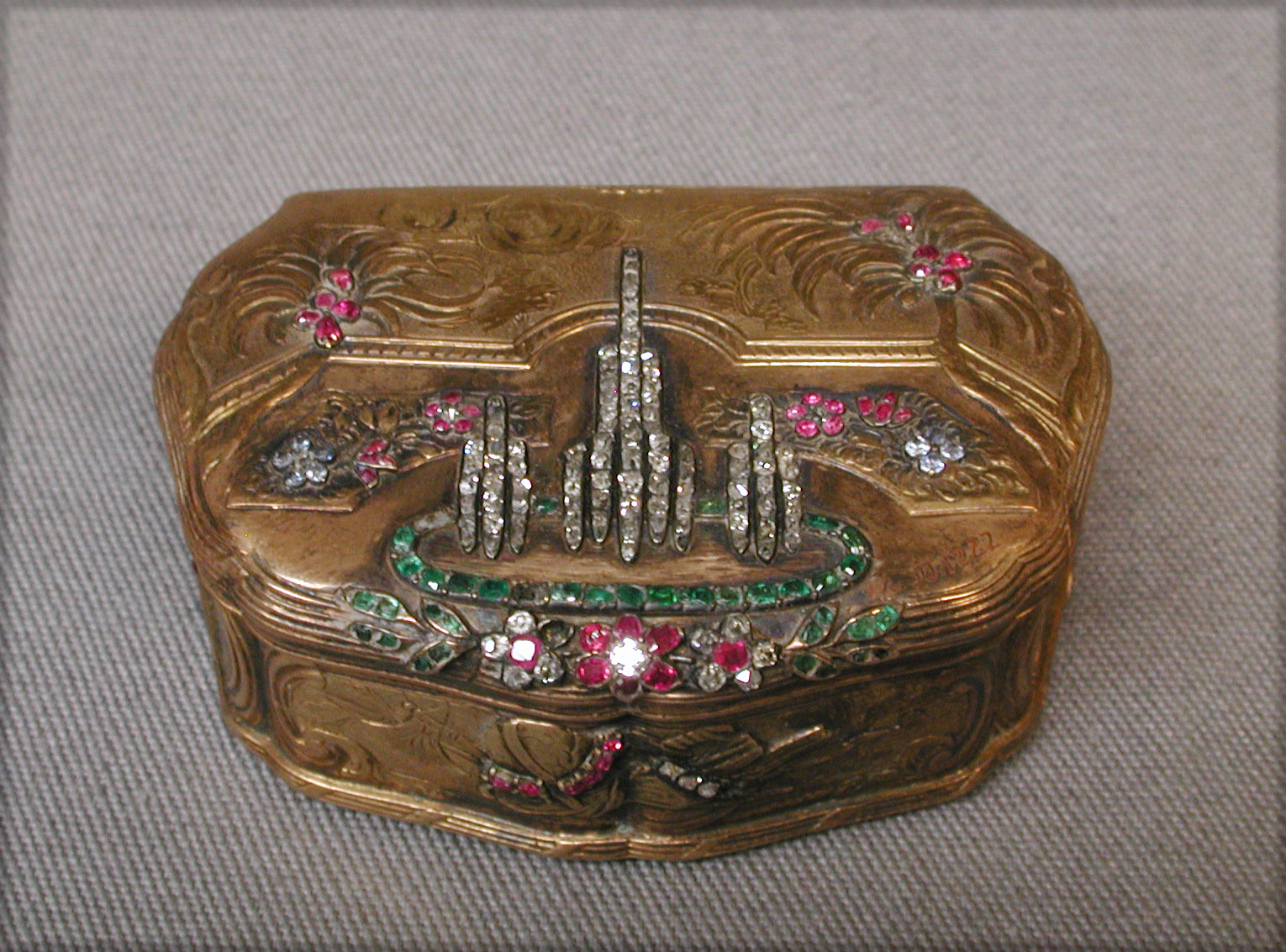
The Box as Sacred Vessel: Symbolic Power, Historical Adornment, and Strategic Luxury for 2026
In the lexicon of ancient civilizations, the box was rarely a mere utilitarian object. It was a threshold between the mundane and the sacred, a container of secrets, and a testament to the power of enclosure. For Katherine Fashion Lab, the box—crafted from gold, emeralds, and diamonds—offers a profound heritage narrative that transcends ornamentation. This strategic standalone research paper examines the box’s symbolic power, its role in historical adornment, its spiritual meaning in antiquity, and proposes a 2026 high-end luxury strategy that leverages these dimensions for brand distinction.
The Symbolic Power of the Box in Ancient Civilizations
The box, as an artifact of ancient cultures, was imbued with dualistic symbolism: it represented both containment and revelation. In Ancient Egypt, the canopic chest held the viscera of the deceased, safeguarding the soul’s journey into the afterlife. The box was not a passive container but an active participant in spiritual preservation. Similarly, in Mesopotamia, the lapis lazuli and gold boxes from the Royal Tombs of Ur were depositories of power, often inscribed with protective incantations. The box’s closure signified a boundary between the known and the unknown, the visible and the hidden. For Katherine Fashion Lab, this symbolic power translates into a design philosophy where enclosure becomes an act of reverence. A box, when adorned with precious materials, is not merely a storage unit but a guardian of value—whether that value is material, emotional, or spiritual.
In the context of luxury, the box’s power lies in its exclusivity. Only the owner possesses the key or the knowledge to open it. This aligns with contemporary high-net-worth consumers’ desire for privacy and personal narrative. The box, as a symbol, can be leveraged to create limited-edition collections where the packaging itself becomes a collectible heirloom, echoing the ancient practice of sealing treasures within sacred containers.
Historical Adornment: The Box as Jewelry and Status Marker
In ancient civilizations, the box was often an adornment in its own right. The Etruscans crafted pyxides—small cylindrical boxes of gold and ivory—used to hold cosmetics, perfumes, or jewelry. These were worn on the body, suspended from belts or necklaces, making the box a wearable statement of wealth and refinement. The materials themselves—gold, emeralds, diamonds—were not arbitrary. Gold symbolized the sun’s eternal radiance, emeralds represented fertility and rebirth, and diamonds were believed to be splinters of stars or tears of the gods. Together, they formed a trinity of cosmic power.
For Katherine Fashion Lab, historical adornment suggests a reimagining of the box as a modular accessory. In 2026, the brand could introduce a “Sacred Vessel” collection where boxes are designed to be worn as brooches, pendants, or cufflinks. The emeralds and diamonds could be set in geometric patterns reminiscent of ancient Egyptian faience or Sumerian inlay work, while the gold is hammered to evoke the texture of ancient repoussé. This approach transforms the box from a static object into a dynamic piece of personal jewelry, bridging the gap between functional container and wearable art.
Furthermore, the box’s historical role as a status marker is critical. In Ancient Rome, cistae (bronze or gold boxes) were used to store legal documents and family seals, signifying authority. For Katherine Fashion Lab, a box designed as a “Legacy Vault”—perhaps for storing a family crest, a digital key, or a precious gem—could become a status symbol for the modern collector. The emeralds and diamonds would not only enhance visual value but also communicate a lineage of power and exclusivity.
Spiritual Meaning: The Box as a Vessel for Transformation
Spiritually, the box in ancient civilizations was a microcosm of the universe. In Hinduism and Buddhism, the casket or reliquary held sacred relics, and its opening was a ritual act of awakening. The Ancient Greeks saw the Pandora’s box (actually a jar) as a metaphor for hope and chaos—a container that, when opened, released both suffering and promise. The box thus embodies transformation: what is inside can change the world, for good or ill.
For Katherine Fashion Lab, this spiritual dimension offers a narrative of personal metamorphosis. A box crafted from gold, emeralds, and diamonds can be positioned as a “Talisman of Intention.” The emeralds, associated with the heart chakra, invite emotional healing; diamonds, as symbols of invincibility, represent clarity; gold, the metal of the gods, channels divine protection. When a client acquires such a box, they are not buying an object but a ritual tool—a vessel to hold their aspirations, secrets, or cherished memories. The 2026 strategy could include bespoke commissioning where the client selects the gemstone arrangement and inscription (e.g., ancient cuneiform or Sanskrit) to personalize the spiritual resonance.
Moreover, the act of gifting a box in this context becomes a profound gesture. In antiquity, gifting a box was an offering of protection and prosperity. Katherine Fashion Lab can revive this tradition by marketing the box as a “Sanctuary Gift” for life milestones—births, marriages, or legacy transitions. The box, when empty, holds the potential of the future; when filled, it becomes a repository of the past. This duality is a powerful emotional driver for high-end clients seeking meaning beyond material wealth.
2026 High-End Luxury Strategy: The Box as a Brand Anchor
Based on this heritage analysis, Katherine Fashion Lab’s 2026 strategy should position the box as a central brand archetype, not merely a product category. The following strategic pillars are recommended:
1. The “Sacred Vessel” Collection as a Flagship Line
Develop a limited-edition collection of boxes—each a numbered, handcrafted piece—that draws directly from ancient Egyptian, Mesopotamian, and Greco-Roman design motifs. Use 24-karat gold, Colombian emeralds, and internally flawless diamonds. Each box should include a “heritage card” detailing its symbolic meaning and the specific ancient civilization that inspired it. This creates a collector’s market where the box is both an investment and a conversation piece.
2. Experiential Retail: The “Unveiling Ritual”
In flagship stores, the purchase of a box should be staged as a ceremonial unveiling. The client is guided through a private consultation where they select the gemstone arrangement, then the box is presented in a dark room with a single spotlight, and opened to reveal a mirror or a hidden compartment—symbolizing self-reflection and discovery. This aligns with the ancient spiritual practice of ritual opening and elevates the transaction to an emotional experience.
3. Cross-Category Integration: The Box as a Brand Signature
The box motif should be integrated into other product lines. For example, a “Box Clutch” handbag designed as a rigid, gold-accented box with emerald and diamond clasps; or a “Casket Watch” where the watch case is a miniature box that opens to reveal the movement. This creates a cohesive brand language that reinforces the heritage narrative across categories.
4. Digital and NFT Integration: The “Virtual Vault”
For the tech-savvy ultra-high-net-worth client, offer a digital twin of the physical box as an NFT. This virtual vault could store encrypted messages, digital art, or personal records. The physical box thus becomes a bridge between ancient craftsmanship and digital legacy, appealing to collectors who value both tangible and intangible assets.
5. Strategic Collaborations with Cultural Institutions
Partner with museums (e.g., The British Museum, The Louvre) to create exclusive replicas of ancient boxes, with proceeds supporting preservation. This positions Katherine Fashion Lab as a custodian of heritage while generating media coverage and credibility among discerning clients.
Conclusion
The box, when viewed through the lens of ancient civilization, is far more than a container. It is a vessel of power, a canvas for adornment, and a spiritual tool for transformation. For Katherine Fashion Lab, the combination of gold, emeralds, and diamonds in a box design is not a decorative choice but a strategic invocation of millennia of human symbolism. By weaving this heritage into a cohesive 2026 luxury strategy—centered on limited editions, experiential retail, cross-category integration, digital innovation, and cultural partnerships—the brand can transcend the commoditized luxury market. The box becomes a signature of exclusivity, meaning, and timeless value, securing Katherine Fashion Lab’s position as a leader in heritage-driven high-end luxury.