The Paten Cover: A Study in Sacred Textiles and Global Heritage
Introduction: The Liturgical Garment as Architectural Statement
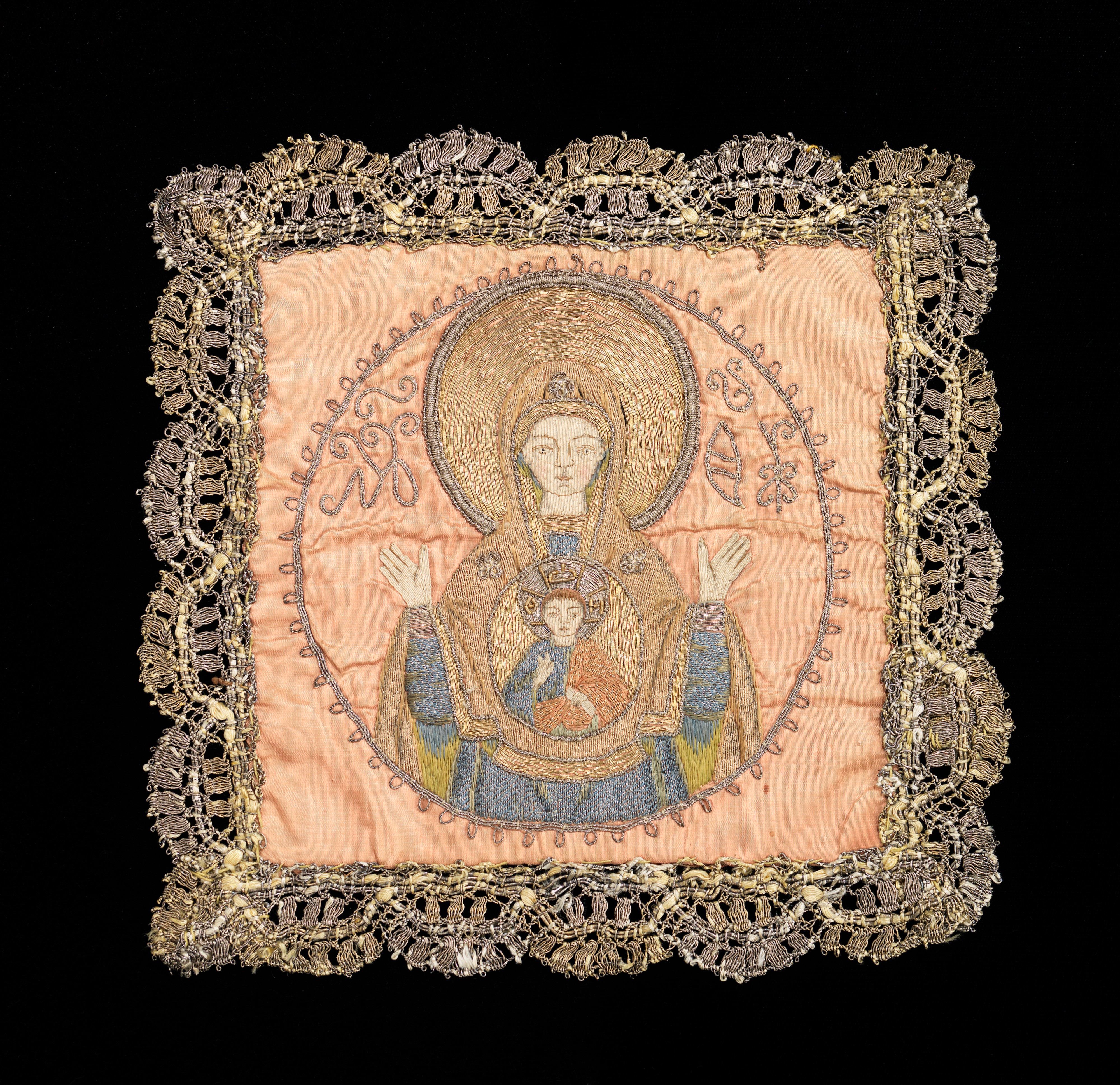
The paten cover, a seemingly esoteric object within the ecclesiastical textile canon, emerges as a profound subject of couture analysis in the hands of Katherine Fashion Lab. Traditionally designed to shield the paten—the small plate that holds the Eucharistic bread—this garment transcends its liturgical function to become a canvas for global heritage, material mastery, and structural innovation. In a standalone study, the paten cover is deconstructed not merely as a relic of ritual but as a living artifact of textile engineering, where silk, metal, and cotton converge in a dialogue of opulence and utility. This analysis explores how Katherine Fashion Lab reimagines the paten cover as a testament to cross-cultural craftsmanship, elevating it from a sacristy accessory to a statement of couture sophistication.
Material Alchemy: Silk, Metal, and Cotton as Narrative Agents
The selection of materials in this paten cover is deliberate, each fiber serving a dual role of aesthetic expression and functional integrity. Silk, sourced from heritage sericulture traditions spanning China, India, and Central Asia, provides a luminous foundation. Its natural sheen captures light in a manner that mimics the ethereal quality of liturgical spaces, while its tensile strength ensures the cover maintains its sculptural form over time. The silk is woven in a twill structure, allowing for subtle depth and a supple drape that respects the paten’s geometry.
Metal threads, interwoven as gilded or silvered filaments, introduce a rigid counterpoint to silk’s fluidity. These metallic elements are not mere embellishments; they are structural ribs that reinforce the cover’s perimeter, preventing fraying and collapse. The use of metal also references global heritage, from Byzantine goldwork to Ottoman metal-thread embroidery, anchoring the piece in a lineage of opulent textile traditions. The contrast between the cold, reflective metal and the warm, organic silk creates a visual tension that is both sacred and avant-garde.
Cotton, often overlooked in luxury textiles, is deployed here as a grounding element. A fine, high-thread-count cotton forms the inner lining, ensuring the paten remains unblemished by metal abrasion or silk’s delicate surface. This choice reflects a pragmatic couture ethos: beauty must coexist with preservation. The cotton’s matte finish absorbs ambient light, framing the silk and metal’s brilliance without competing for attention. Together, these materials narrate a story of global exchange—silk from the East, metalwork from the Mediterranean, and cotton from the Americas—unified under a single liturgical purpose.
Structural Geometry: The Paten Cover as Architectural Couture
Katherine Fashion Lab approaches the paten cover as a study in controlled volume and negative space. The design eschews the traditional circular or square silhouette in favor of a hexagonal form, a nod to Byzantine and Islamic geometric traditions that permeate global heritage. Each of the six facets is constructed with a subtle convex curve, achieved through a combination of silk shibori and metal wire framing. This curvature allows the cover to sit atop the paten with a slight dome, creating an air pocket that protects the sacred vessel while casting a shadow that evokes the mysticism of a cathedral apse.
The metal threads are not merely decorative but are integrated into the cover’s structural seams, forming a lattice that distributes tension evenly. This technique, borrowed from couture tailoring’s boning and corsetry, ensures the cover retains its shape even after repeated handling. The cotton lining is quilted in a honeycomb pattern, adding thermal insulation and a tactile softness that contrasts with the exterior’s rigid elegance. The result is a garment that feels both monumental and intimate—a wearable architecture that honors the paten’s sacred function.
Global Heritage in Stitch and Symbol
The paten cover’s embroidery is a lexicon of global motifs, each stitch a reference to a specific cultural tradition. The central medallion features a Celtic knotwork pattern, rendered in silk thread and outlined with metal filigree. This choice evokes the interlacing of time and eternity, a theme universal to many faiths. Surrounding the medallion are Mughal-inspired floral arabesques, their stems and petals embroidered in a split-stitch technique that mimics the precision of Persian miniature painting. The border is adorned with Mesoamerican step-fret motifs, executed in cotton thread and metallic beads, paying homage to pre-Columbian textile traditions.
This fusion of symbols is not arbitrary; it reflects Katherine Fashion Lab’s philosophy that heritage is a living, evolving dialogue. The paten cover becomes a map of global spirituality, where the Celtic cross, the Mughal garden, and the Aztec labyrinth coexist without hierarchy. The embroidery process itself honors traditional handwork, with each stitch applied by artisans trained in their respective regional techniques. This labor-intensive approach ensures that the paten cover is not a mass-produced commodity but a singular artifact of human skill and cultural memory.
Contextualizing the Standalone Study: The Paten Cover Beyond the Altar
In a standalone study, the paten cover is freed from its liturgical context and examined as a pure object of couture. This shift in perspective allows for a deeper appreciation of its formal qualities: the way the silk folds create light and shadow, the precision of the metal lattice, the soft resistance of the cotton lining. The cover is displayed on a minimalist pedestal, allowing viewers to engage with its geometry and texture without the distraction of ritual function. This curatorial choice aligns with contemporary fashion’s trend toward object-based design, where garments are treated as autonomous works of art.
The paten cover’s scale—typically 15 to 20 centimeters in diameter—invites close inspection. It challenges the viewer to consider how couture can exist in miniature, where every pleat and stitch is magnified in importance. The absence of a wearer or a ritual setting emphasizes the garment’s materiality, transforming it into a study of texture, color, and form. This approach resonates with the broader fashion world’s interest in decontextualized luxury, where objects are valued for their craftsmanship rather than their utility.
Conclusion: The Paten Cover as a Testament to Couture’s Global Future
Katherine Fashion Lab’s paten cover is more than a liturgical accessory; it is a manifesto for how couture can honor global heritage while pushing the boundaries of material and structural design. Through the alchemy of silk, metal, and cotton, the piece achieves a balance of opulence and restraint, tradition and innovation. Its hexagonal form, intricate embroidery, and architectural precision elevate it to the realm of high art, while its roots in global craftsmanship remind us that true luxury is always a collaborative act across cultures and centuries. In this standalone study, the paten cover stands as a quiet but powerful testament to the enduring relevance of sacred textiles in the modern couture landscape.