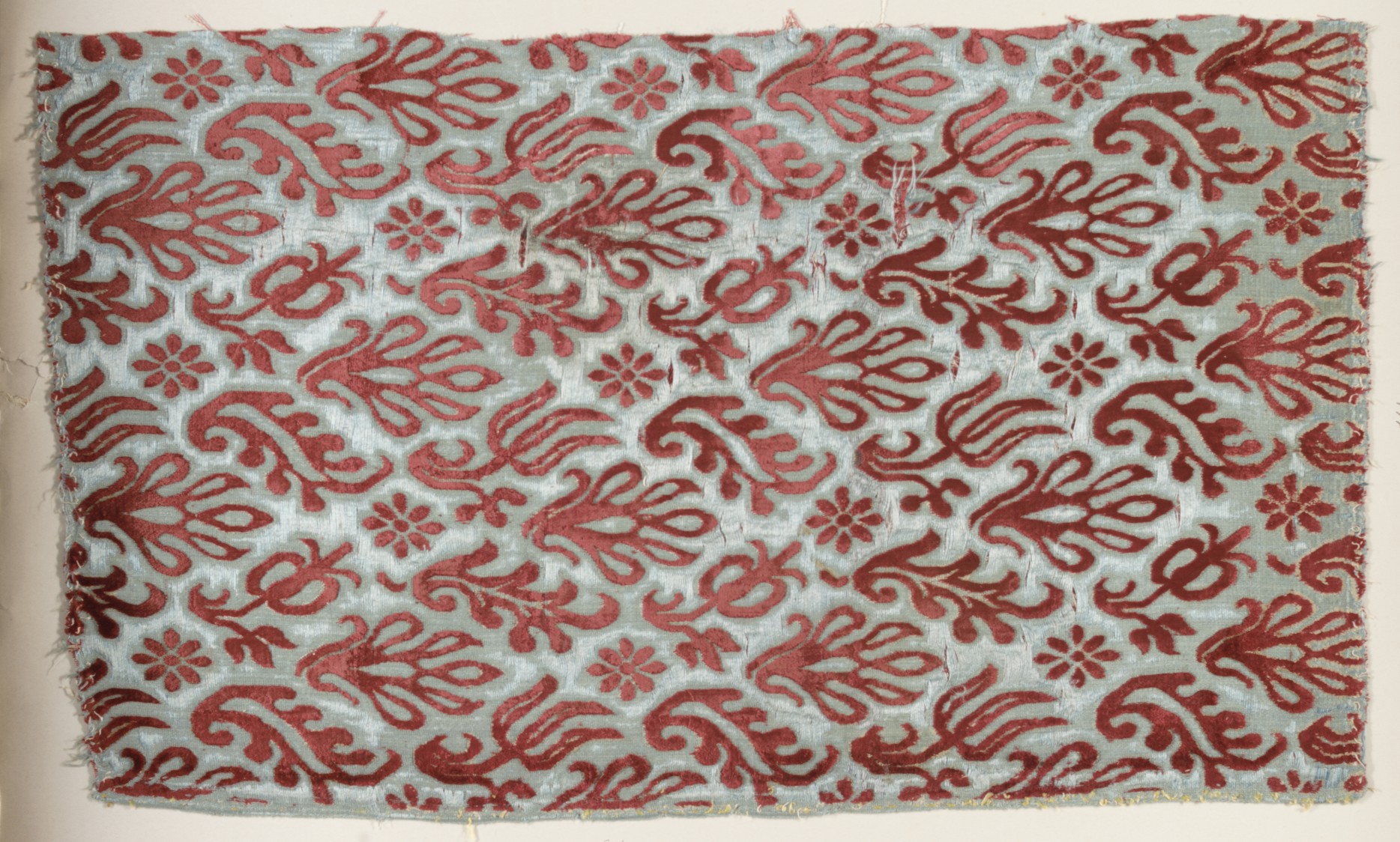
Fragment as Narrative: The Global Heritage of Silk in Contemporary Couture
In the rarefied world of haute couture, where every stitch is a declaration of artistry, Katherine Fashion Lab’s latest standalone study, “Fragment,” emerges as a profound meditation on memory, materiality, and the global heritage of silk. This analysis deconstructs how the collection transforms the concept of a fragment—a broken piece, a remnant of history—into a cohesive, luxurious narrative that bridges continents and centuries. By centering silk as the primary medium, Katherine Fashion Lab not only honors the fabric’s storied past but reimagines its future in a context that is both intimately personal and universally resonant.
The Conceptual Framework: Fragment as Aesthetic and Philosophical Device
The term “fragment” in this study operates on multiple levels. On the surface, it references the physicality of the garments: asymmetrical hems, deconstructed silhouettes, and panels of silk that appear to be torn or reassembled from disparate sources. Yet, beneath this visual language lies a deeper exploration of heritage itself. Heritage is never whole; it is a collection of fragments—textiles, techniques, and traditions—passed down through generations, often altered, lost, and rediscovered. Katherine Fashion Lab’s approach is to treat these fragments not as imperfections but as the very essence of authenticity. Each piece in the study is a mosaic of global influences, from the intricate brocades of Chinese imperial courts to the hand-painted resist-dye techniques of Japanese kimono silks, and the supple, fluid draping of Indian saris.
The choice of silk is deliberate and strategic. Silk, as a material, carries its own fragmented history: it was once a guarded secret of ancient China, a commodity that sparked trade routes, and a symbol of opulence across Europe and the Middle East. By using silk, Katherine Fashion Lab anchors the collection in a lineage that is both tangible and elusive. The fabric’s natural luster and tensile strength allow for the manipulation of light and shadow, creating a visual echo of how heritage is perceived—sometimes brilliant, sometimes obscured.
Materiality and Technique: The Language of Silk
In “Fragment,” silk is not merely a substrate; it is a collaborator. The lab employs a range of techniques that emphasize the material’s inherent duality: its ability to be both fragile and resilient. Hand-stitched seams are left exposed, revealing the raw edges of the silk, as if the garment is in a state of perpetual becoming. This technique, known as fraying, is elevated to an art form. Rather than hiding the unfinished edges, Katherine Fashion Lab celebrates them as evidence of the garment’s journey—from the silkworm’s cocoon to the weaver’s loom, to the designer’s hands.
Another key technique is patchworking, where fragments of silk from different cultural origins are joined together. A panel of Chinese kesi (silk tapestry) might abut a section of Indian bandhani (tie-dye), with the seams emphasized by metallic thread or delicate embroidery. This is not a pastiche but a dialogue: each fragment retains its unique identity while contributing to a new, cohesive whole. The effect is akin to a quilt of global memories, where the stitches themselves become a narrative thread.
The lab also experiments with silk organza and chiffon to create layers that mimic the palimpsest of heritage. A sheer overlay might reveal a fragment of a traditional motif—a phoenix, a lotus, a geometric pattern—beneath a more modern, abstract form. This layering technique suggests that heritage is not static; it is always being reinterpreted, with older stories peeking through newer ones.
Global Heritage: A Tapestry of Influences
The origins of the silk used in “Fragment” are as diverse as the collection’s inspiration. Katherine Fashion Lab sources silk from China, India, Japan, and Italy, each region contributing a distinct quality and cultural resonance. Chinese silk, known for its dense weave and vibrant dyes, provides the structural backbone for tailored pieces. Indian silk, often softer and more fluid, is used for draped elements that evoke the sari’s graceful fall. Japanese silk, with its subtle, irregular textures from hand-spinning, adds an organic, earthy feel. Italian silk, celebrated for its precision and finish, is reserved for the most refined, almost architectural silhouettes.
This deliberate sourcing is a statement in itself. In an era of fast fashion and homogenized production, Katherine Fashion Lab’s commitment to global heritage is a form of resistance. Each fragment of silk carries the labor, skill, and cultural context of its origin. By combining them, the lab creates a new, hybrid heritage—one that acknowledges the interconnectedness of our world while respecting the distinctiveness of each tradition.
The collection also references specific historical fragments. For instance, one gown incorporates a motif inspired by the “Silk Road”—a pattern of interlocking circles and stylized camels, rendered in gold thread on a deep burgundy silk ground. This is not a direct copy but a reinterpretation, a fragment of memory that invites the wearer to contemplate the trade routes that once linked East and West. Another piece uses a fragment of a Mughal miniature painting, transferred onto silk through a digital print and then partially obscured by hand-stitched tulle. The effect is haunting, as if the image is fading into the fabric, a reminder that heritage is always at risk of being lost.
Context: The Standalone Study as a Curatorial Statement
Presenting “Fragment” as a standalone study—rather than part of a seasonal collection—allows Katherine Fashion Lab to operate with a curatorial precision. Without the constraints of commercial trends or runway theatrics, the focus remains purely on the dialogue between material, technique, and concept. The study is designed to be experienced intimately, perhaps in a gallery-like setting, where each garment can be examined for its structural details and narrative layers.
This context also elevates the garments to the status of artifacts. They are not merely clothing but objects of contemplation, each fragment a portal to a different time and place. The lack of a seasonal theme reinforces the idea that heritage is timeless; it does not follow fashion cycles. Instead, it persists, fragmented yet enduring, waiting to be reassembled by those who understand its value.
The Future of Fragment: Sustainability and Storytelling
Beyond its aesthetic and conceptual merits, “Fragment” offers a blueprint for sustainable couture. By using remnants, offcuts, and historically significant textiles, Katherine Fashion Lab challenges the industry’s obsession with newness. The collection demonstrates that luxury can be derived from what already exists—that a fragment, when treated with respect and creativity, can be more valuable than a whole cloth produced without history.
Moreover, the study underscores the importance of storytelling in fashion. In a world saturated with images, the garments in “Fragment” demand to be read, not just seen. They invite the wearer and the viewer to become detectives of heritage, piecing together the origins of each silk fragment, each stitch, each motif. This active engagement transforms the act of dressing into an act of preservation and discovery.
In conclusion, Katherine Fashion Lab’s “Fragment” is a masterclass in couture as a form of cultural archaeology. By harnessing the global heritage of silk and treating the fragment as both a physical reality and a philosophical metaphor, the lab redefines what luxury can mean: not the accumulation of the new, but the careful, loving assembly of the old into something that speaks to our shared humanity. It is a study that will resonate long after the last stitch is examined, a testament to the enduring power of fragments to tell whole stories.